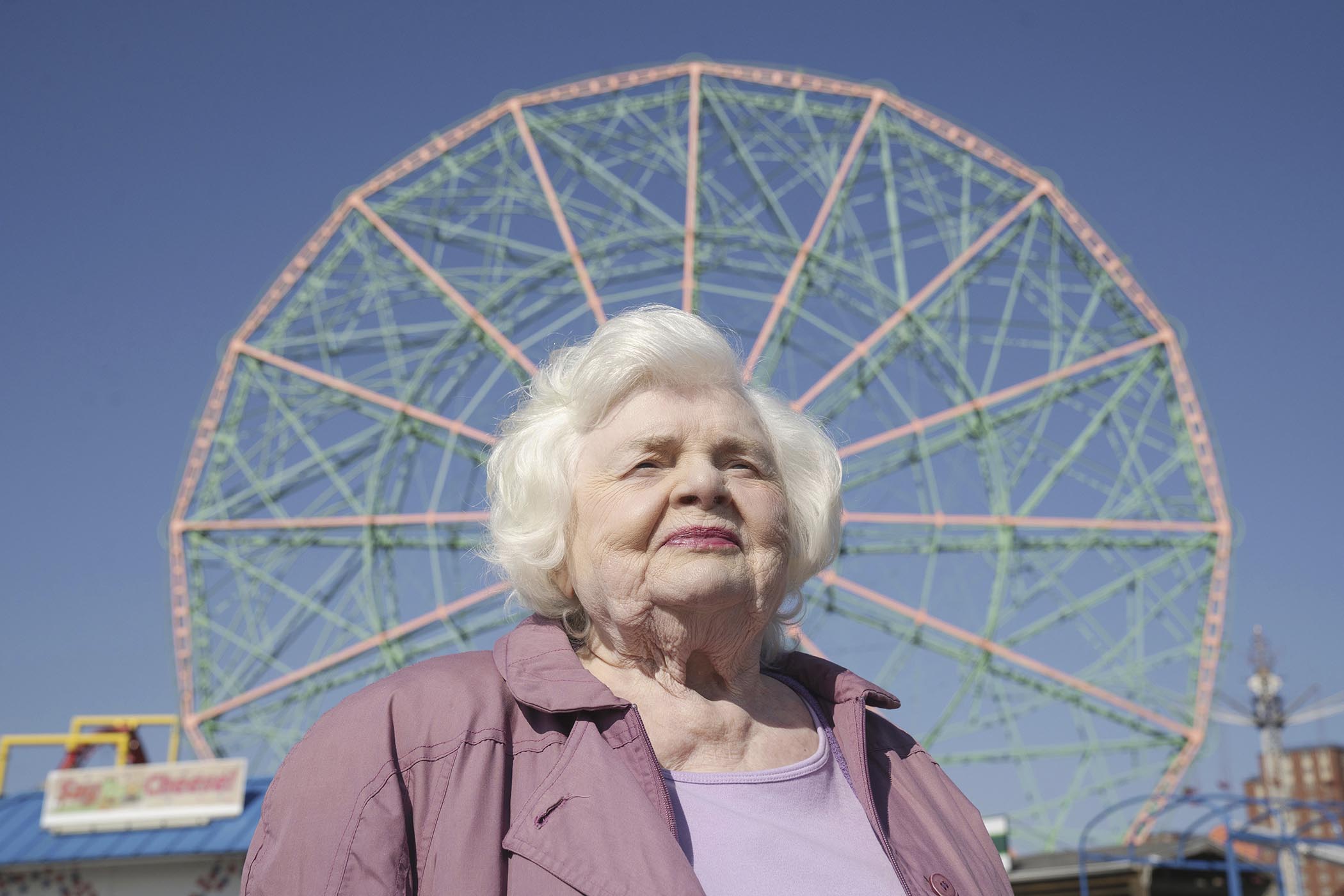



Eleanor the Great
(98 mins, 12A) Directed by Scarlett Johansson; starring June Squibb, Erin Kellyman, Chiwetel Ejiofor
“Great” would be overstating it: let’s call it Eleanor the Adequate. The directorial debut from Scarlett Johansson is hamstrung by timidity, lack of vision and a crippling need to be liked. It’s a wasted opportunity, because this picture had the potential to be a rather more angular, abrasive and unusual proposition.
The cast is largely blameless. Veteran actor June Squibb stars as 94-year-old Eleanor Morgenstein, who, after the death of her lifelong best friend and Florida retirement complex roommate Bessie (Rita Zohar), moves back to New York to live with her beleaguered, browbeaten daughter Lisa (Jessica Hecht). It’s like cohabiting with a nonagenarian bulldozer. Squibb relishes this feisty, obnoxious character with no filter and the social skills of an airhorn.
Things get complicated when Eleanor tells a lie that takes on a life of its own. She inadvertently wanders into a support group for Holocaust survivors and, when invited to share her story, steals Bessie’s and passes it off as her own. Nina (Erin Kellyman, impressive), a young journalism student who happens to be present, is moved by Eleanor’s borrowed words, and a friendship develops.
Related articles:
Nina’s essay on Eleanor earns the approval of her distant father, TV news presenter Roger (Chiwetel Ejiofor), who plans to feature Eleanor’s story on his show. Disaster looms. But Johansson fumbles with a backpeddling final act. Having created an intriguingly unsympathetic character, there’s a sense of mounting panic in the storytelling with the realisation that the audience may not like her. The result is a fudged feelgood ending.
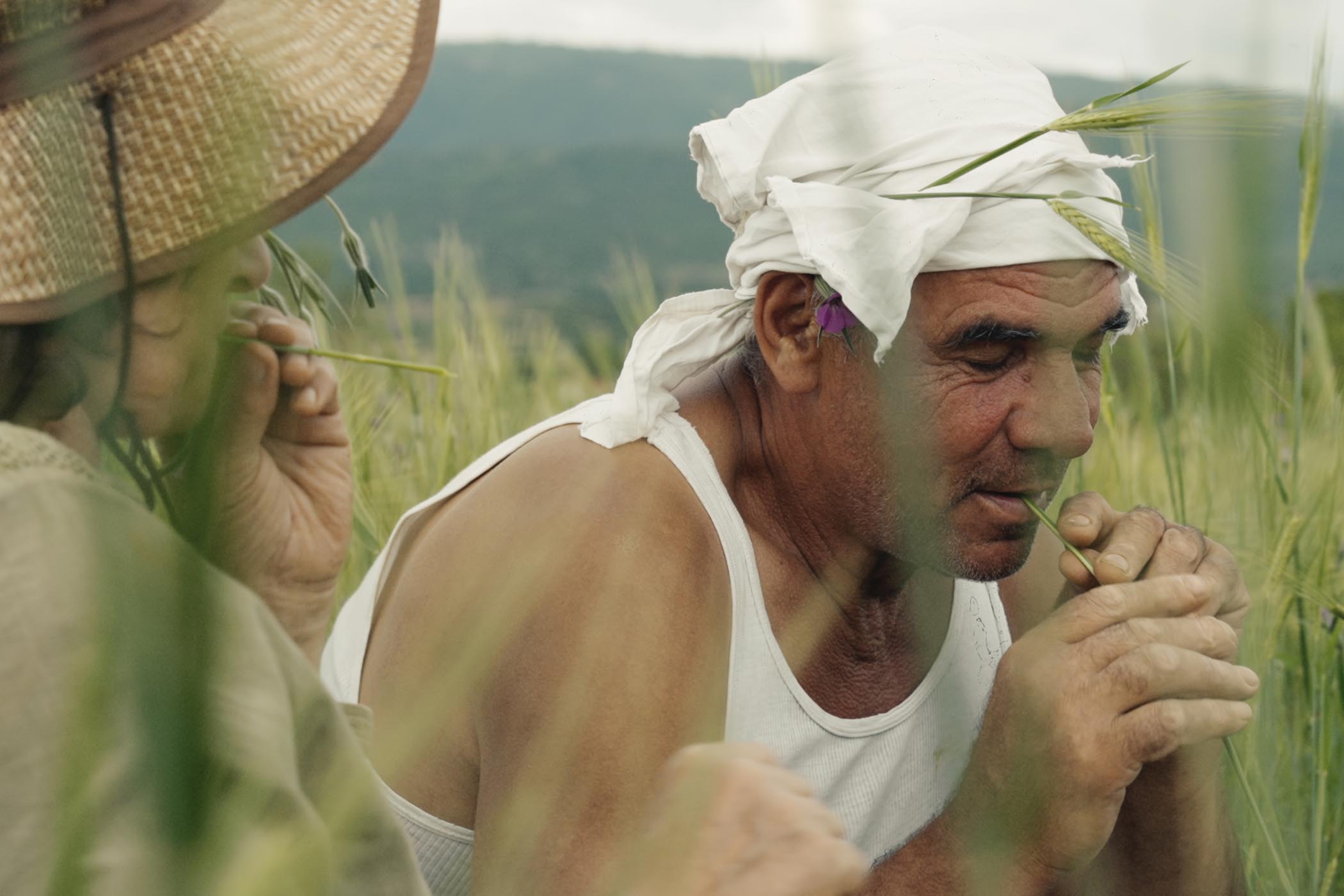
Nikola, a farmer in North Macedonia, is the subject of the deft, inventive documentary The Tale of Silyan
The Tale of Silyan
(80 mins, 12A) Directed by Tamara Kotevska
Who would have thought that a film about the economic pressures facing the traditional agrarian communities in North Macedonia would be one of the most poetic and inventive documentaries of the year? Tamara Kotevska, whose 2019 film Honeyland was nominated for two Oscars, deftly incorporates a story from 17th-century Macedonian folklore into this lyrical observational film about farmer Nikola, his wife, Jana, and the injured white stork he nurses back to health.
It’s a simple, satisfying life – one that Nikola inherited from his parents and hopes to pass on to his daughter and her family. But when the price for produce plummets, farming no longer seems a viable option. After Nikola’s daughter moves with her family to Germany for work, Jana accompanies her to provide childcare. And Nikola, like so many other men of his generation, finds himself alone, marooned on his worthless land.
Kotevska, together with cinematographer Jean Dakar, approaches the film with a visually expressive storyteller’s instincts; this is not a picture that delves deep into government farming legislation, focusing instead on the human cost. The storks are a central motif: having coexisted with the farmers for generations, they bring a mythic quality to the film and a sense of purpose for Nikola.
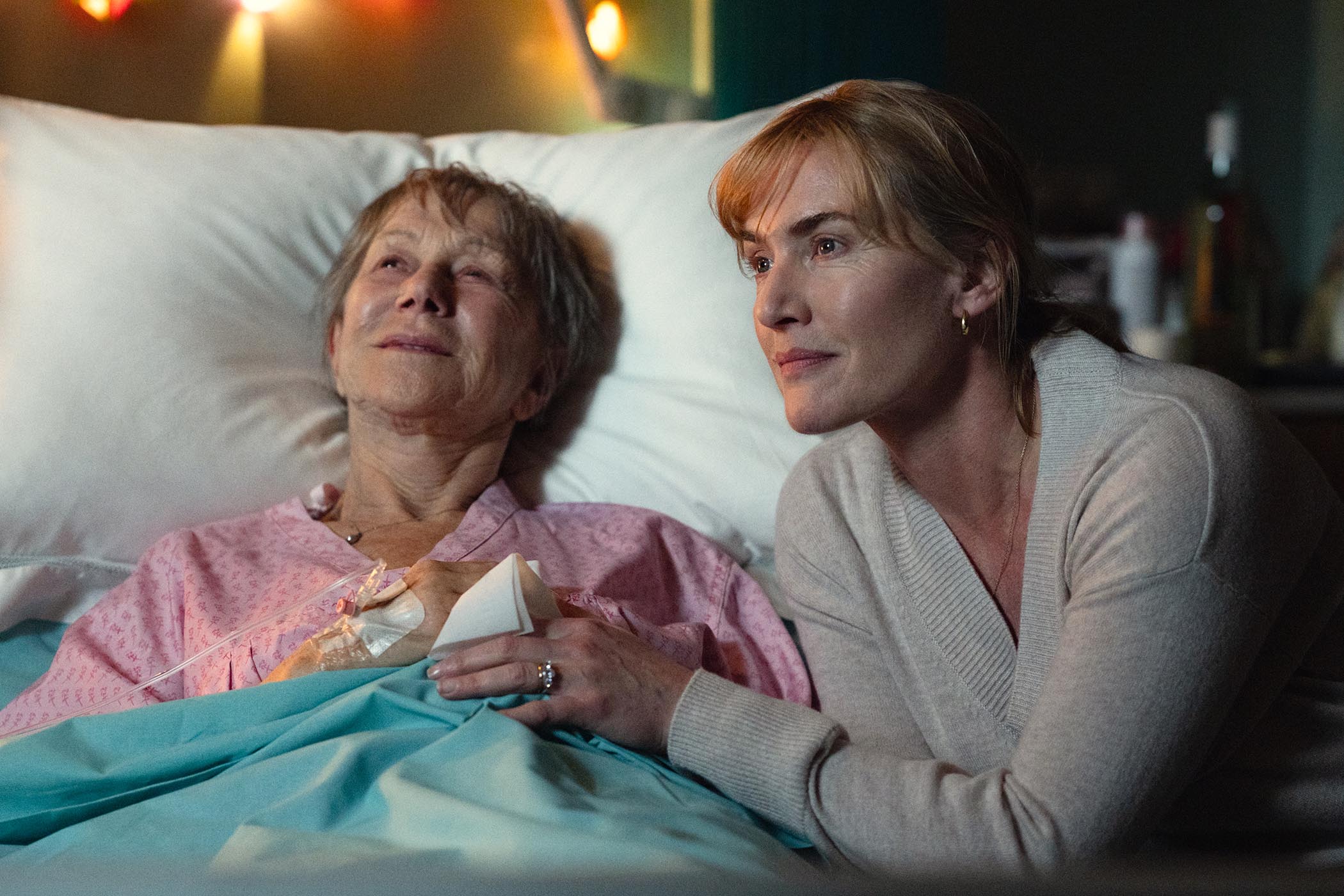
Helen Mirren and Kate Winslet play mother and daughter in the ‘precision-engineered tear-jerker’ Goodbye June
Goodbye June
(114 mins, 15) Directed by Kate Winslet; starring Kate Winslet, Toni Collette, Helen Mirren
Kate Winslet makes her directorial debut with a festive terminal cancer weepie written by her 21-year-old son Joe Anders. Winslet, who also stars, has assembled a top-tier cast. Helen Mirren is the eponymous June, formidable even in her final hours. Gathered by her hospital bed is her schematic assortment of children: high-achieving Julia (Winslet), new age fruitloop Helen (Toni Collette), furious, controlling Molly (Andrea Riseborough) and sensitive Connor (Johnny Flynn). Plus, there’s her boozy, largely useless husband Bernie (Timothy Spall, see Q&A, page 7), and sundry grandchildren.
As the bickering and sibling tensions threaten to boil over, June dedicates her final moments to engineering a rapprochement between her children. This is a precision-engineered tear-jerker, but the inevitable moist eyes feel cynically manipulated rather than earned in good faith – as if Winslet has blasted the audience with the emotional equivalent of pepper spray.
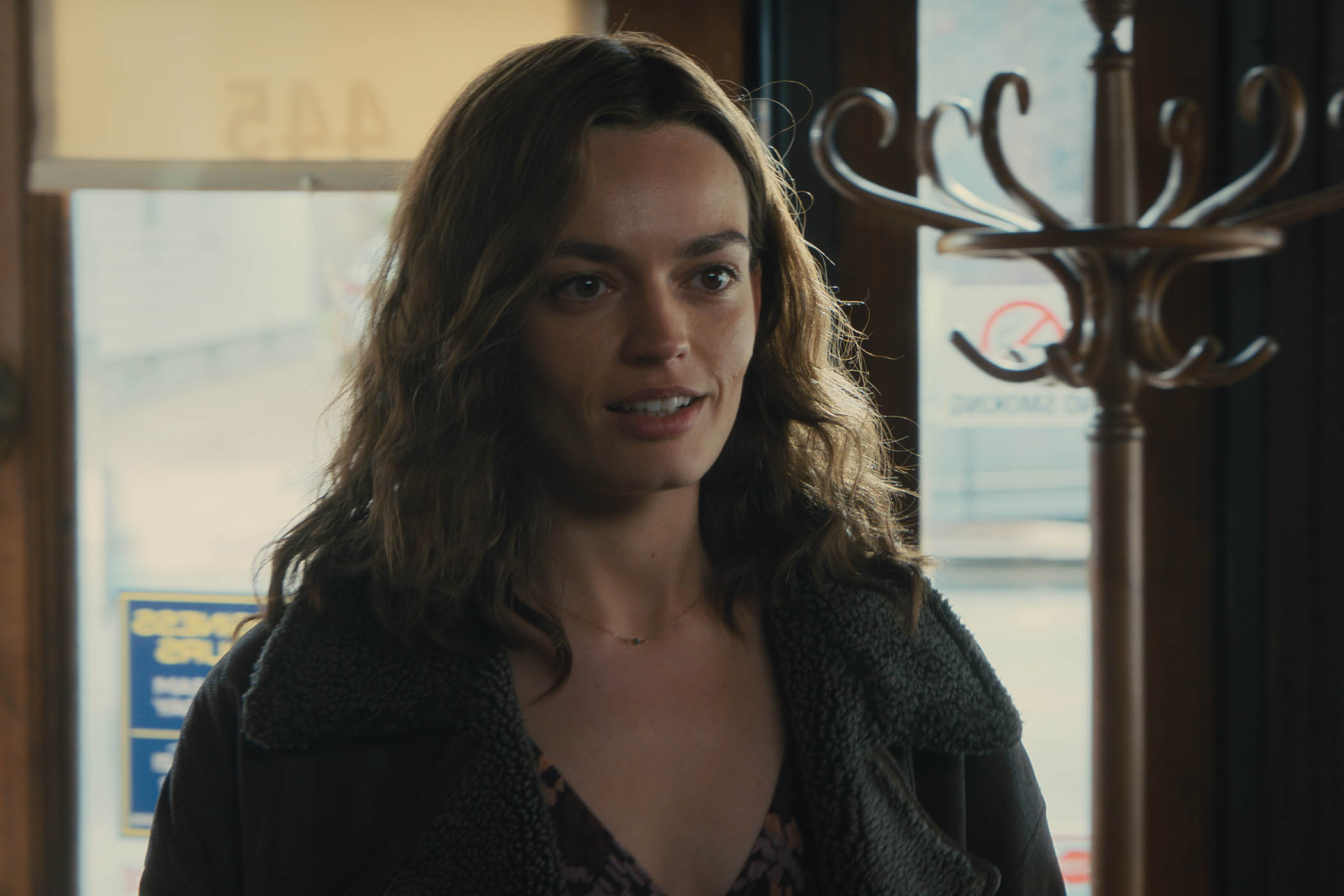
‘A clunky waste of Emma Mackey’: The actress stars as Ella McCay
Ella McCay
(115 mins, 12A) Directed by James L Brooks; starring Emma Mackey, Woody Harrelson, Kumail Nanjiani
Veteran writer and director James L Brooks has a CV populated with the kind of well-crafted crowd-pleasers (As Good as It Gets, Broadcast News) that Ella McCay aspires to be. But anyone hoping for the crisp dialogue and brisk pacing of his earlier work will likely be disappointed by this cluttered, incoherent portrait of an embattled but idealistic young female state governor juggling her chaotic family life with her high-powered job.
Ella wants to change lives for the better. But her troubled younger brother, her philandering father and narcissist husband stand in the way. Dated in tone and positively antediluvian in its attitudes towards women in power, this is a clunky waste of Emma Mackey in the title role and of Jack Lowden as her crowbarred-in plot device of a husband.
Preparation for the Next Life
(116 mins, 15) Directed by Bing Liu; starring Sebiye Behtiyar, Fred Hechinger, Alicher Adill
The feature film debut from documentary-maker Bing Liu (best known for the Oscar-nominated Minding the Gap), this is an intimate, superbly acted account of lives on the margins. Aishe (impressive newcomer Sebiye Behtiyar) is an undocumented Uyghur refugee living in New York. Skinner (the consistently excellent Fred Hechinger) is a newly returned soldier, rattled and cracked by three tours in the Middle East. There’s an instant connection between them and, for a while, it seems as though they could make each other whole.
But as Skinner drinks to numb the guilt and grief over the death of a fellow soldier, and Aishe works long hours in the hope of buying herself some security, their individual troubles eat away at the shared love.
Photographs by Sony/Ciconia Film/Kimberley French/Netflix