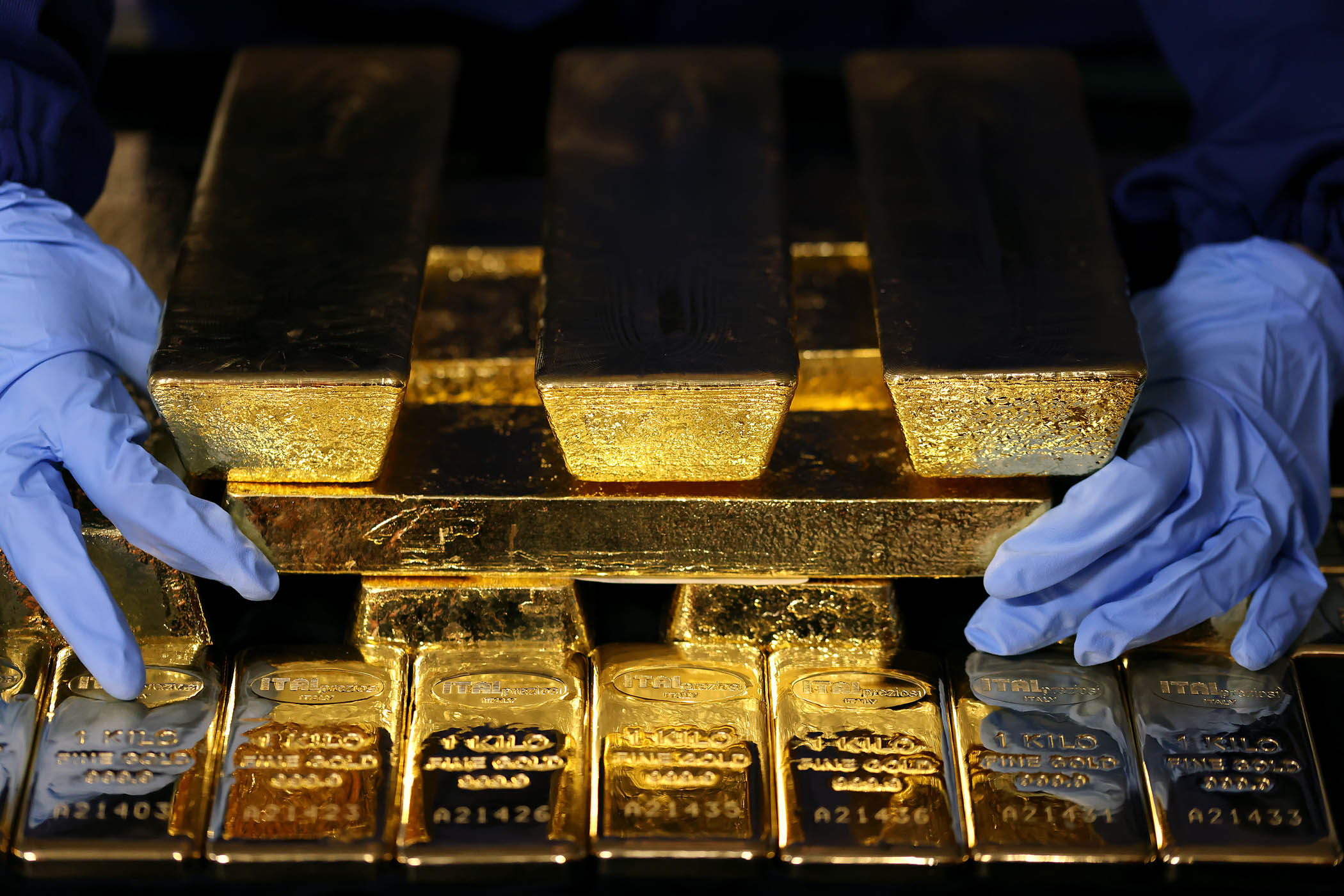


As the gold price reaches new highs, topping $5,500 an ounce last week, it makes what once seemed like prudent risk-management by Gordon Brown look like one of the worst decisions in the history of finance.
In 1999, the then chancellor decided to sell half of Britain’s gold reserves, using the revenues to diversify into lower-risk, less volatile assets, including bonds, which would not only fluctuate less in value but also pay interest.
This seemed to many experts an obvious step in reducing the role of gold in the financial system, which it had once underpinned through the gold standard, by which countries tied the value of their currencies to a fixed quantity of the precious metal, and which President Richard Nixon ended nearly 30 years earlier.
Eddie George, then governor of the Bank of England, which holds Britain’s gold reserves, opposed the decision, but was overruled.
The sales, made by auction between 1999 and 2002, coincided with a 20-year low for the gold price, and were followed by a long bull market that recently gained fresh record-breaking energy. The price when the sale was announced stood at about $282 an ounce, down from $850 in 1980. Gold bulls refer unkindly to this lowest-price moment as “Brown’s Bottom”.
Britain ultimately sold 395 tonnes of gold, at an average price of $275 an ounce, raising about $3.5bn. Had the Bank kept the metal, it would have been worth about $70bn last week. The returns earned by investing revenue from the gold sales in other assets are surely a tiny fraction of the upside had the gold been retained, making this one of the costliest sell decisions ever. As gold may well rise further, it could become even costlier.
Photograph by Alessia Pierdomenico/Bloomberg via Getty Images
Newsletters
Choose the newsletters you want to receive
View more
For information about how The Observer protects your data, read our Privacy Policy
Related articles: