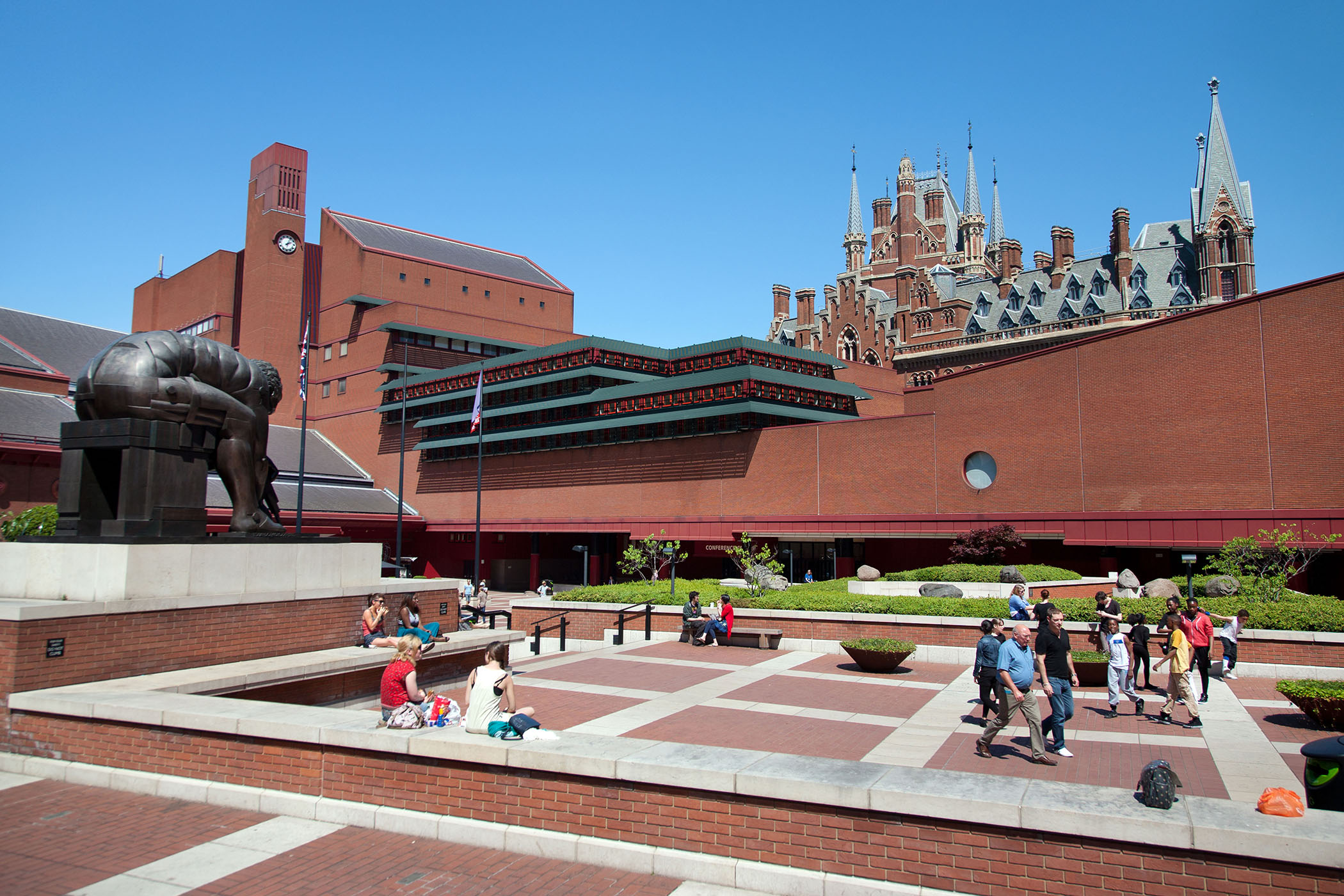



London’s life sciences district is blossoming. The Knowledge Quarter, covering a 1-mile radius around Euston and King’s Cross, already generates more than £8bn and employs 12,000 life science workers across research and biotech.
Analysis by UCL and the research agency Public First shows this innovation hub has further potential to add £3.5bn and nearly 20,000 jobs to the UK economy by 2035 if it is allowed to accelerate at the same pace as its international counterparts.
Comparing the life science district around UCL to the rapid growth trajectory of Boston’s Kendall Square, the US’s leading innovation cluster around MIT which is now home to more than 150 pharma and biotech companies, researchers see a blueprint for the UK government’s industrial strategy with “science, technology and innovation leading front and centre”.
In 2025 the UK capital attracted $2.1bn (£1.6bn) in VC investment, a 61% increase from the previous year and over triple the amount raised by Paris ($679m). Of the life sciences investment surge, more than half was raised by companies leveraging AI.
Strong research bases at UCL, the Francis Crick Institute and University College London Hospitals rub shoulders with a string of AI and biotech companies such as Synthesia, Autolus and Google DeepMind. Prof Alan Thompson, UCL’s pro provost, said that while these international innovation districts can emerge organically, “to thrive they require coordinated decisions on planning density, transport connectivity, anchor institutions and investment frameworks”.
Successful spinouts in the heart of this district offer a model for growth. AI drug discovery company Isomorphic Labs was spun out from DeepMind in 2021 and raised $600m last March, while $2.1bn value AI video creator Synthesia moved into its Regent’s Place headquarters in July 2024 to be near its co-founder’s UCL research base.
Autolus Therapeutics, a another UCL research spinout, saw its first NHS leukaemia patient receive its breakthrough cancer immunotherapy treatment this week. According to Prof Geraint Rees, UCL vice-provost (research, innovation and global engagement), Autolus thrived because of the density of its innovation district base.
“Its clinical trials drew on NHS patient data and hospital infrastructure,” says Rees. “This is an integrated health system advantage that US competitors cannot replicate. It’s exactly the kind of British success story we need as we digest the Budget’s grim growth forecasts of just 2% annually.”
Related articles:
While UCL has a track record of student startups and spinouts drawing external investment – more than £3.4bn over the last five years – the hope is that the cluster can grow its employment and productivity at the rate of Tokyo’s OMY international business district and Kendall Square. To become a veritable global rival, researchers stress that the UK will need to mobilise investment, regulation and planning to compete with Boston’s federal research spending advantage and burgeoning biotech hubs in the EU backed by clinical trial infrastructure.
Photograph by Skynesher/Getty Images
Newsletters
Choose the newsletters you want to receive
View more
For information about how The Observer protects your data, read our Privacy Policy