
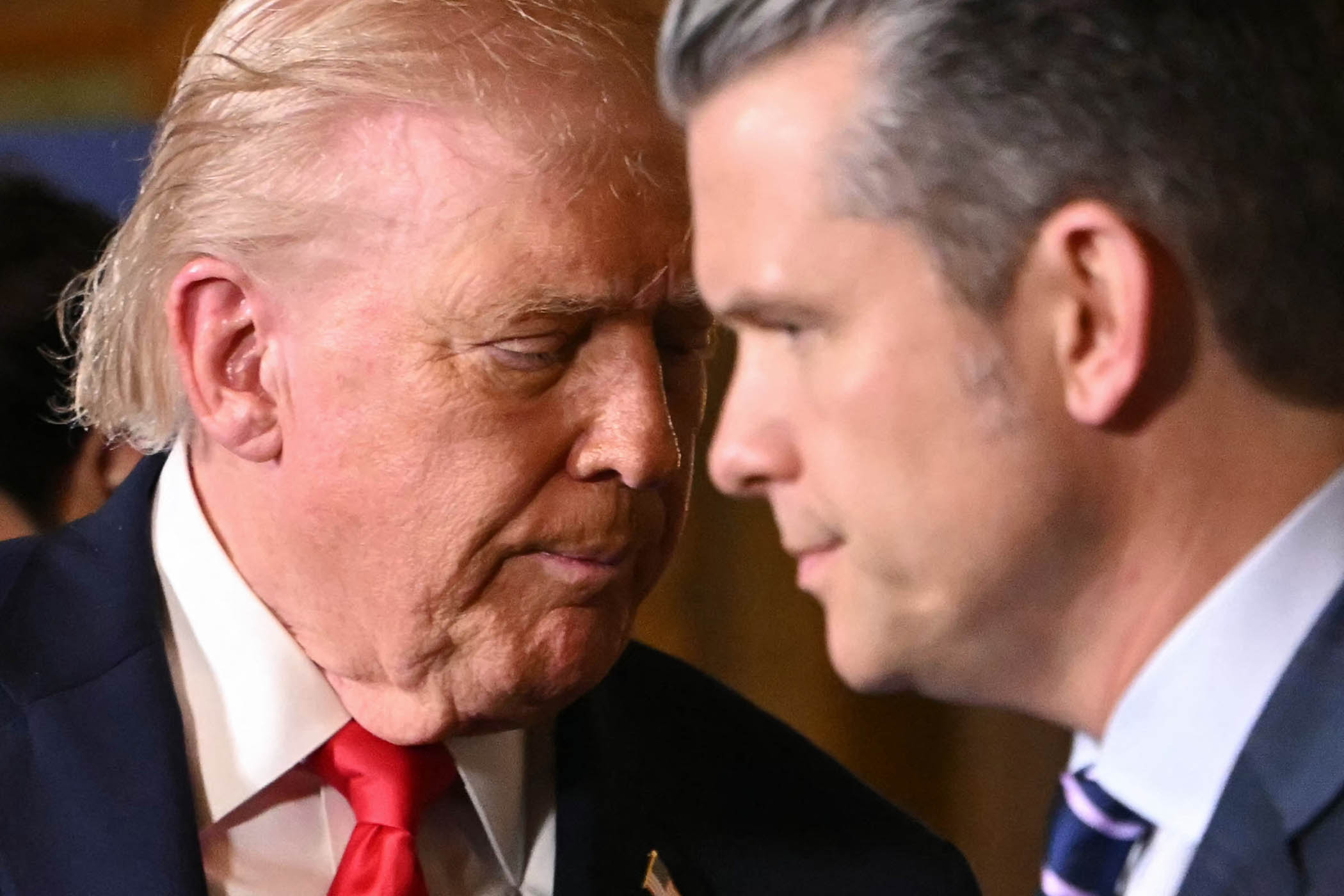
Volodymyr Zelensky, the Ukrainian president, is expected to meet US president Donald Trump on Sunday to discuss the latest version of a plan to end the war with Russia, after months of diplomatic chess have yielded no breakthrough.
Before the meeting, Zelensky said there was a broad consensus between Kyiv and Washington and that the aim was to put the finishing touches to the 20-point peace plan. Trump was more circumspect, anticipating a “good” meeting with Zelensky without endorsing the plan. “He doesn’t have anything until I approve it. So we’ll see what he’s got,” he told Politico. Russia has already signalled its rejection of the plan.
Nearly a year into his second term, Trump has expressed frustration with a war that he had vowed to stop within 24 hours of becoming president. It is crucial that Ukraine, which depends on US intelligence sharing and other assistance, avoids being blamed for thwarting Trump’s efforts.
“We have to please Trump with his idea he can make a deal,” said Oleksandr Merezhko, the chair of Ukraine’s foreign affairs committee. “He wants to portray himself as a peacemaker and we have to take it into consideration, but we understand it is not going to lead anywhere”.
Russian president Vladimir Putin has shown little willingness to compromise on his maximalist demands, including full control of the eastern Donbas region, of which Russia occupies about 90%. That and the control of the Zaporizhzhia nuclear power plant are two of the main obstacles to a deal. Zelensky told reporters he would discuss them with Trump in Florida on Sunday, as well as security guarantees and reconstruction.
Related articles:
Ukraine refuses to give up territory that Russia has failed to take militarily but recently signalled openness to a plan by Trump to turn the area into a demilitarised zone – on condition that Moscow’s army pulls back too.
Zelensky said any peace plan involving giving up territory should be put to a nationwide referendum. For that to happen, Russia would have to agree to a ceasefire for at least 60 days, he said. Still, such a referendum would face serious political, logistical and security obstacles.
Polls indicate that a majority of Ukrainians, exhausted after nearly four years of war – and with little prospect of regaining occupied territory by force for now – are prepared to accept a deal to freeze the frontline where it is, with security guarantees from Kyiv’s allies to deter more Russian attacks.
But giving up territory is a harder issue. A recent poll by the Kyiv Institute for Sociology found three-quarters of Ukrainians would vote against a plan involving the withdrawal of Ukrainian troops from territory they still control and without security guarantees.
The US has offered Kyiv security guarantees for a duration of 15 years with the possibility of extension, Zelensky said.
Commenting on the plan outlined by Zelensky, Russia’s deputy foreign minister, Sergei Ryabkov, said: “We know that this plan radically differs from the 27 points which in recent weeks, starting from early December, we have been working through with the American side.”
He blamed Kyiv and its European allies for attempting to torpedo it.
“Without an adequate resolution of the problems at the origin of this crisis, it will be quite simply impossible to reach a definitive accord,” he said.
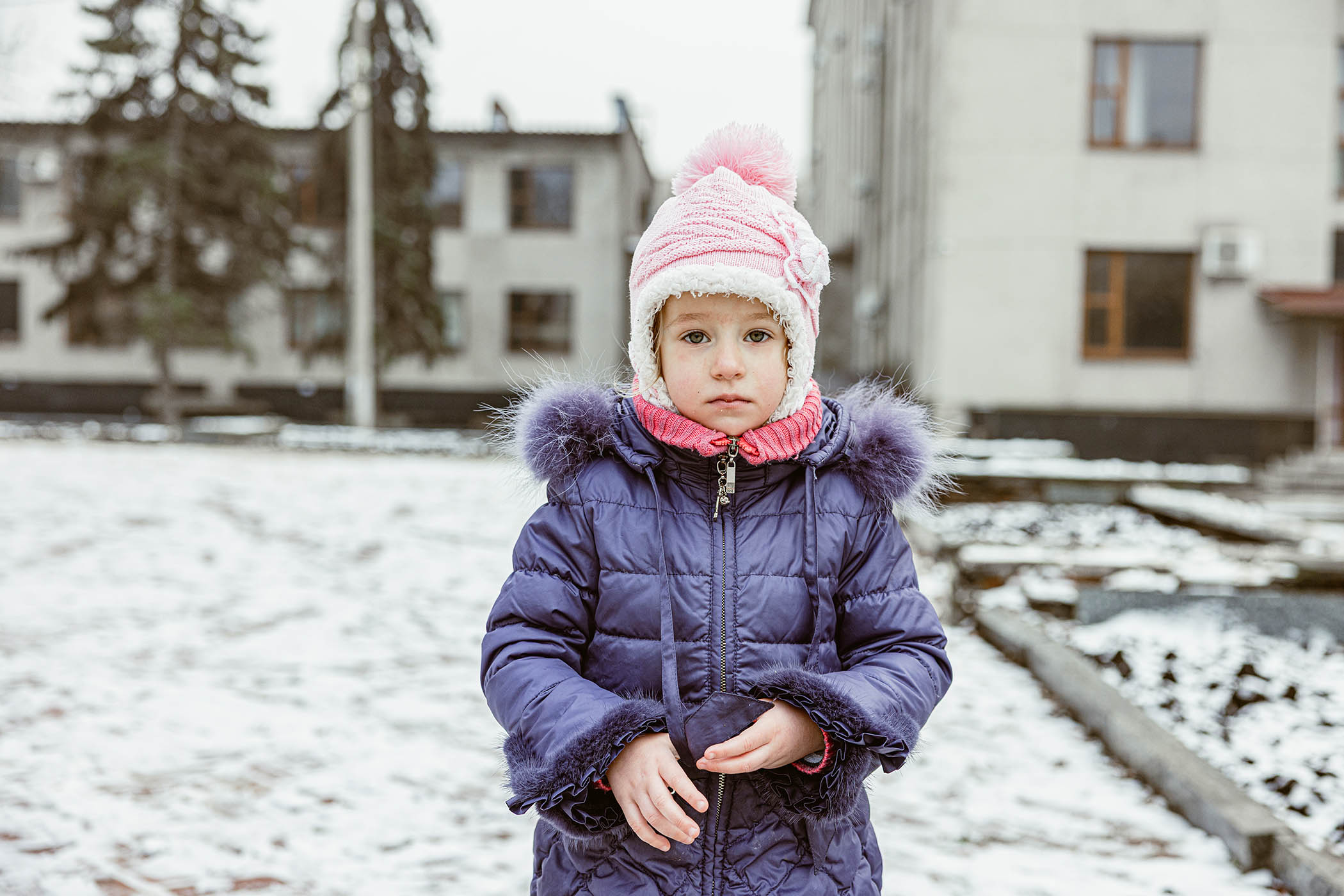
Photograph by Iva Sidash for The Observer