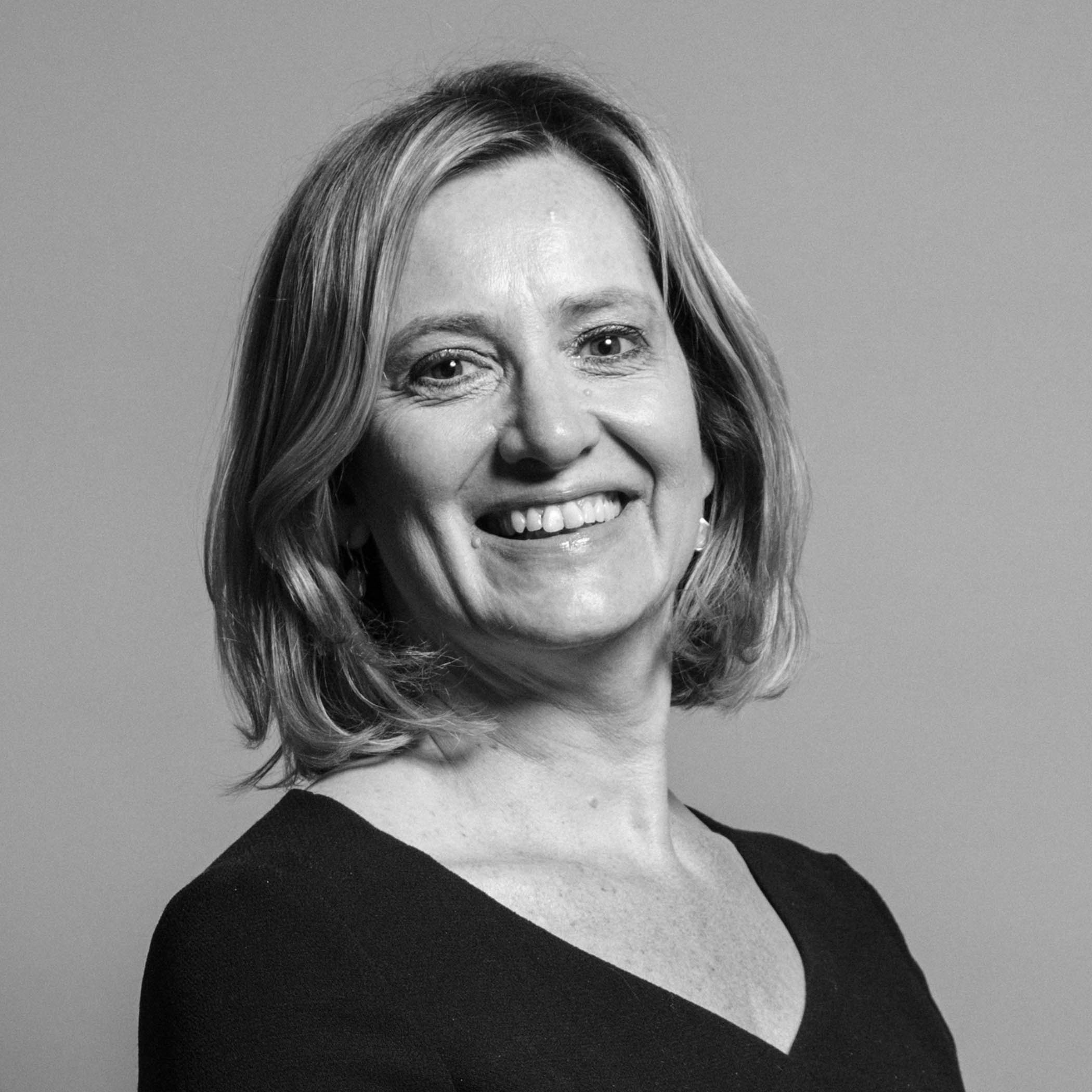
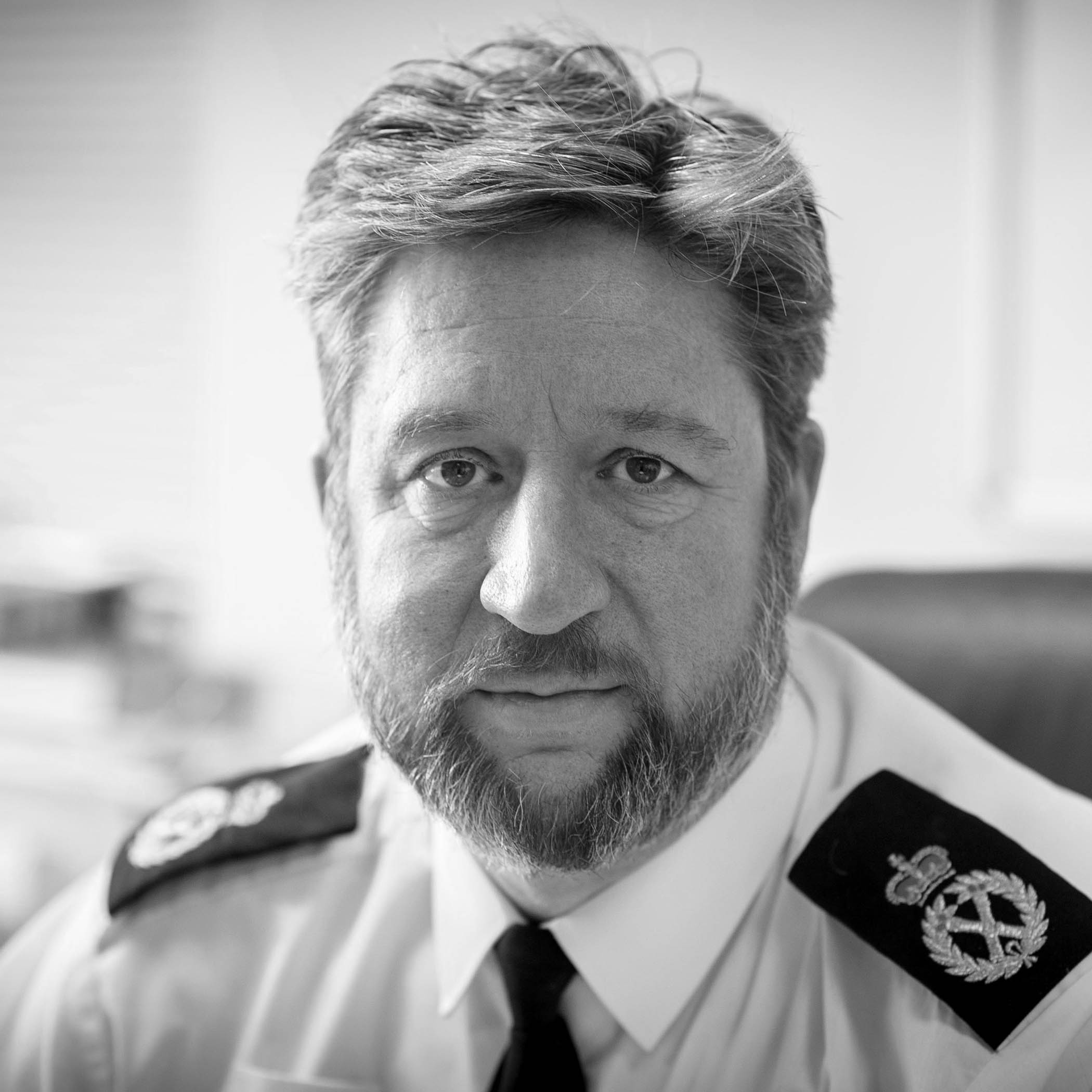

The safety of our communities and curbing crime have been at the heart of our careers. We worked together as home secretary and as a chief constable leading the National Police Chiefs’ Council work on child abuse.
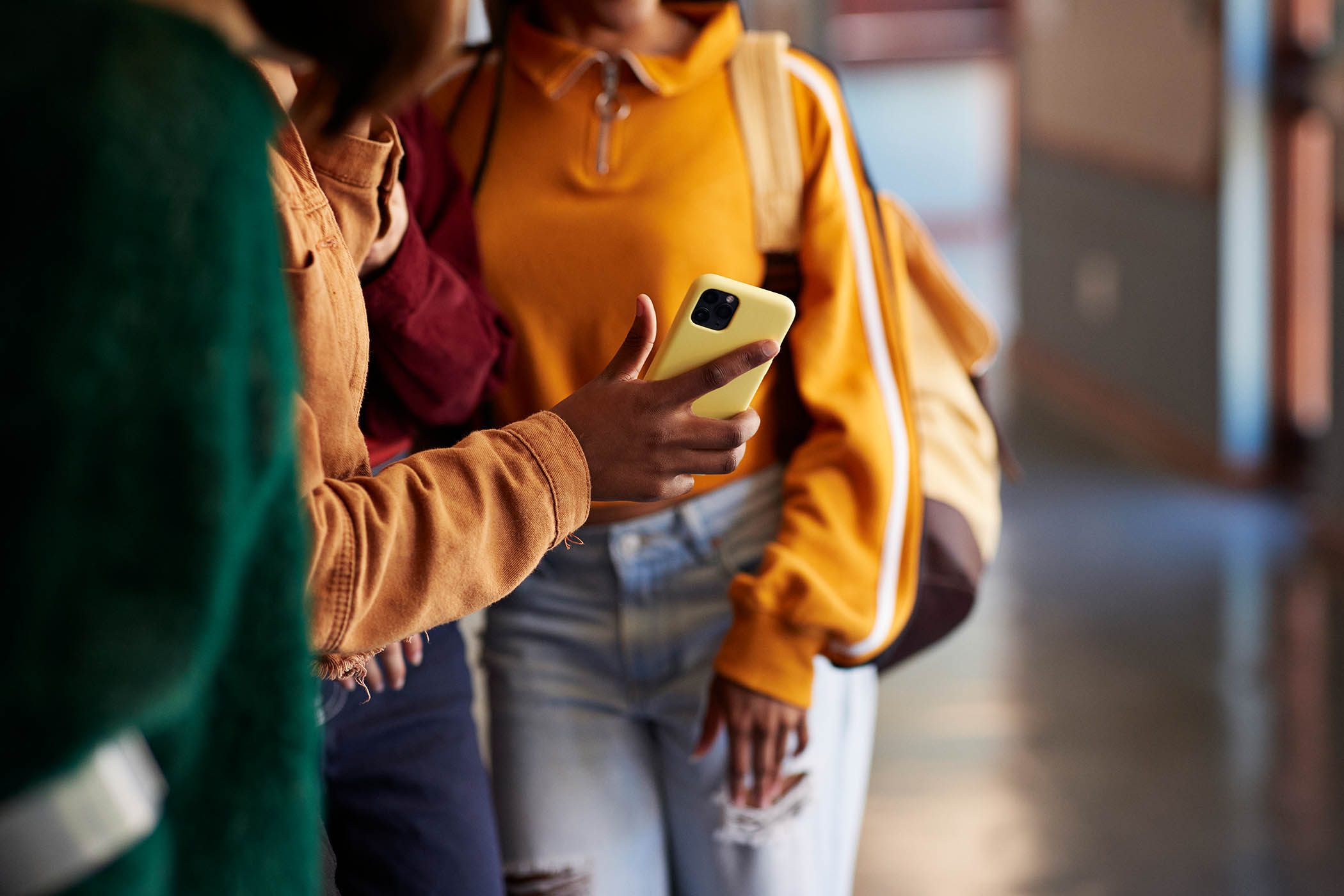
Today we come together with a single, urgent message: the government must ban social media for children under 16. A failure to do so will leave children at severe risk, make our streets less safe, and afford offenders the ability to abuse and exploit in the most unimaginable ways.
Each of us has seen the human cost of this crisis at the most acute level. As home secretary, Amber met mothers whose children had been murdered by people they had first encountered online, and families whose children had been groomed and radicalised to fight for terrorist organisations overseas. They did not come back. In every case, the parents had no idea what was happening to their children until it was too late. They begged for our help, and we worked with social media companies to do more. In some cases – reluctantly – they did, but it was rarely enough. A decade later, the problem has only got worse.
This is categorically not just an issue relating to health – although the evidence that social media is fuelling a severe mental health crisis is now overwhelming. Just ask the GPs on the frontline seeing a considerable increase in eating disorders among people aged between 17 and 19.
Nobody credibly argues that enough is being done to protect our children
Nobody credibly argues that enough is being done to protect our children
This is about something far larger. The scale of what we are dealing with is difficult to comprehend. Police forces are confronting the effects of social media every single day, from sexual exploitation to drugs and knife crime.
Take the issue of child sexual abuse material. Three decades ago, there were approximately 10,000 child abuse images in circulation. Today, that figure is more than 70m – a staggering increase – and artificial intelligence is accelerating this crisis, enabling offenders the opportunity to generate images of any form of child sexual exploitation imaginable.
This week we have seen the example of Elon Musk’s Grok chatbot being caught digitally undressing children and posting the images directly to X in what has been called a “mass digital undressing spree”. There is, rightly, indignation and outcry about this, but this is very sadly not a one-off.
Every day, social media is being used by predators who are barely bothering to hide, using everyday platforms such as Snapchat to target vulnerable children and force them to abide by their sick demands. There are even widespread cases of children hosting sex shows for payment from their bedrooms on social media.
Related articles:
Then there is the issue of drug crime. Social media glamorises use, leads to experimentation, and provides platforms for buying and selling drugs. It is exploited by “county lines” gangs. (County lines is a term used to describe networks of organised crime groups who use children, young people and vulnerable adults to carry out illegal activity on their behalf. They control the lives of 27,000 children, some as young as 11.) Social media is the biggest tool in the modern gang‘s arsenal.
Knife crime is no different. A major study by the Youth Endowment Fund, surveying nearly 11,000 children, found that 70% of teenagers have seen real-world acts of violence on social media in the past year. More than half have seen fights involving young people, and a third have seen young people carrying, promoting or using weapons. A quarter have seen the glorification of violence. Only 6% of children who saw this content actually searched for it: most had it pushed to them by platform algorithms.
Newsletters
Choose the newsletters you want to receive
View more
For information about how The Observer protects your data, read our Privacy Policy
And we cannot ignore what is coming next. While the last decade’s changes have caused untold dangers, the advent of artificial intelligence brings even more. The bullying will become more relentless, the opportunities for bad actors nearly limitless.
We do not yet know the full extent of what AI-enabled harm will look like, but this week’s appalling example of Grok’s “mass undressing” shows us a horrific glimpse into the future of what harm could be awaiting our children if we do not remove them from the battlefield.
We have a responsibility and a duty to protect our children; nobody credibly argues that enough is being done. This month parliament will have a chance to act. Lord Nash’s amendment to the children’s wellbeing and schools bill would ban social media for under-16s, save generations from harm, and keep our communities safe.
The government should back it. If we ignore the insurmountable evidence for this ban, in a decade we will be giving evidence to another independent inquiry and being asked: how did you let this happen?
Amber Rudd is a former home secretary and Simon Bailey is the former chief constable for Norfolk and National Police Chiefs’ Council lead for child protection
Photograph by Klaus Vedfelt/Getty Images