
Many of us were hopeful that the UK National Screening Committee might recommend prostate cancer screening for the general population or high-risk groups, such as those with a family history or Black ethnicity. Deep down, however, we knew the data would let us down. While disappointing for men, families and charities campaigning for screening, I respect the draft recommendation that prostate cancer screening should not be offered to most UK men.
The committee’s decision was based on the best, most up-to-date evidence. When a public health intervention such as mass screening for a disease is considered, we have to rely on what I would regard as a UK national treasure, our expert National Screening Committee, to advise us. In doing so, it considers the benefits of saving lives and weighs that against the harms. The evidence was clear in showing that the harm vastly outweighs the benefit. For instance, 1,000 men would need to be screened and tested to save or extend the lives of two men over 10 to 15 years. In Black men and those with a family history, while they are at increased risk of developing prostate cancer, the data was uncertain as to whether they were at increased risk of aggressive cancer. This is because a lot of the evidence base on Black men comes from the US where data is confounded by access to healthcare.
The individuals who have come forward and spoken about their aggressive prostate cancer diagnosis are to be applauded and encouraged. We must also give a voice to those men who might have been harmed by having unnecessary testing and treatment. Their voices are just as important. In a society where we can often be too polarised, this is an area in which we must all come together. To talk openly about the benefits and not forget the 12,000 men every year who die of the disease. To include men who have had a detrimental impact from testing and treatment
So, what are these harms of screening? First, the tests themselves, such as an invasive biopsy. Many UK colleagues and I ran pivotal trials in 2017, leading to men having an MRI scan before they underwent a prostate biopsy. This reduced some of the harms of testing, but many men still may undergo unnecessary biopsy.
Second, the harms of over-diagnosis. This is when we detect unimportant prostate cancer that does not cause any problems. One in three men above the age of 50 have little areas of unimportant prostate cancer, which just sit there, do not grow and do not spread. If we find these, men may have unnecessary treatment. While many of these men initially choose active surveillance to monitor the cancer, many switch over to treatment even if the cancer does not change.
Finally, treatments such as prostatectomy surgery or radiotherapy carry complications and side effects. Urine leakage requiring pads can occur in 30% of men who have surgery and 5% who have radiotherapy. Erectile dysfunction can affect at least 50% long term. Radiotherapy can cause back passage problems in 5% to 20%. So bad are these symptoms that one in five men regrets having treatment. Technological advancements with robotic surgery and advanced radiotherapy techniques have not significantly improved these side-effects.
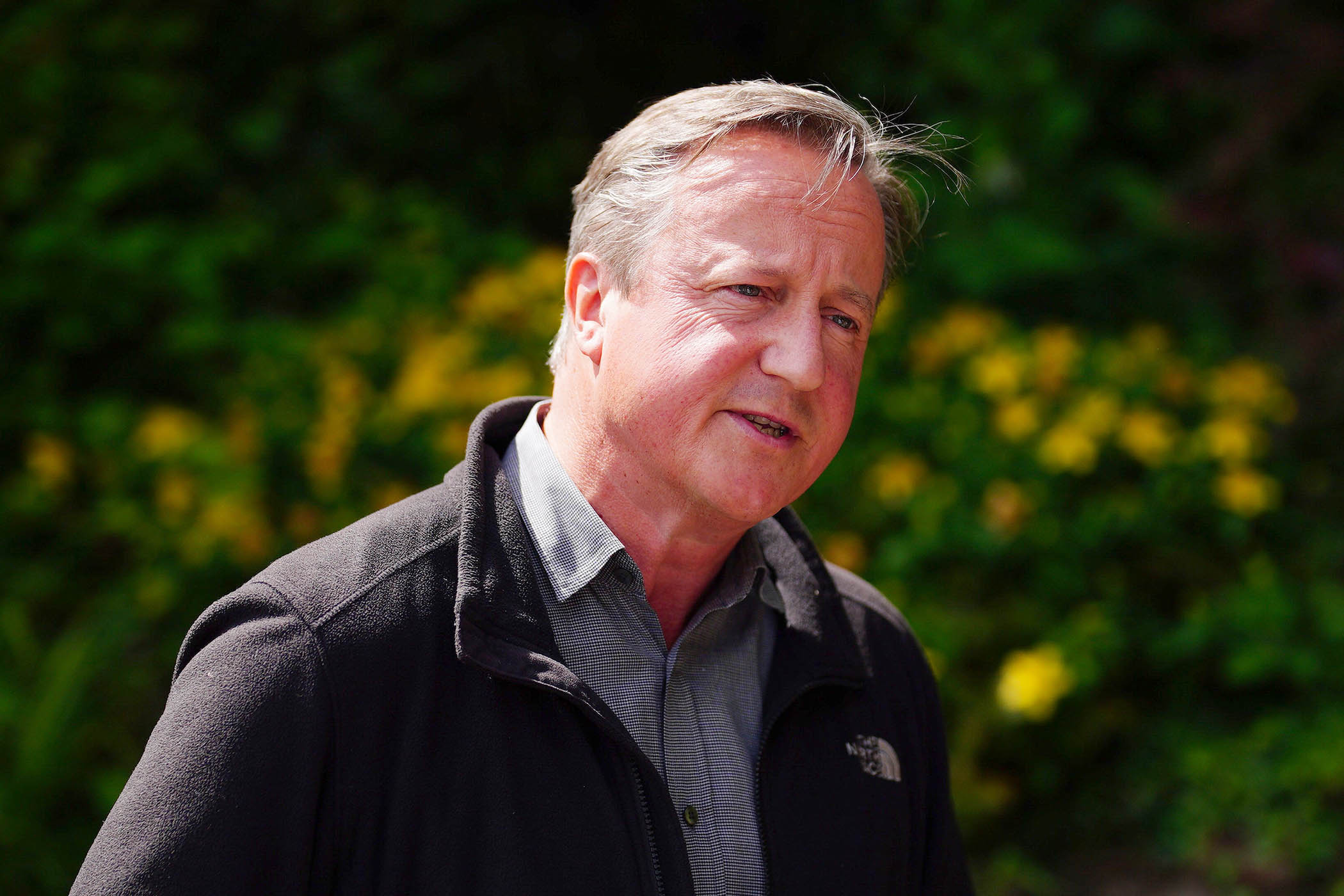
But there is hope. I and those same colleagues who brought about a seismic shift in MRI scans being used before biopsy are not standing still. We are working tirelessly with charities such as Prostate Cancer UK and Cancer Research UK as well as the government’s NIHR to reduce the harms of screening. Using the latest short MRI scans called Prostagram combined with PSA and genetic spit tests to reduce biopsy rates even further. Improving how we carry out active surveillance, so men are reassured it is safe to stick on monitoring. To reduce the impact of radical treatment in a similar way to how lumpectomy for breast cancer rather than mastectomy transformed harms of breast cancer treatment. Focal therapy, which Lord Cameron underwent, involves treating individual areas of prostate cancer to reduce collateral tissue damage. It leads to a 5- to 10-fold lower risk of side effects, with similar survival at 10 years compared with radical surgery or radiotherapy. There is a postcode lottery for focal therapy in England. No devolved nation offers it.
The £42m Prostate Cancer UK and UK government Transform trial that I am chief investigator for will bring these elements together to fill the evidence gaps identified by the National Screening Committee. With results in up to 16,000 men available in two to three years and a larger study of up to 300,000, I am hopeful for the future.
Related articles:
Prof Hashim Ahmed is chair of urology and consultant urological surgeon at Imperial College London and Imperial College Healthcare NHS Trust
Photograph by Ben Birchall/PA Wire
Newsletters
Choose the newsletters you want to receive
View more
For information about how The Observer protects your data, read our Privacy Policy