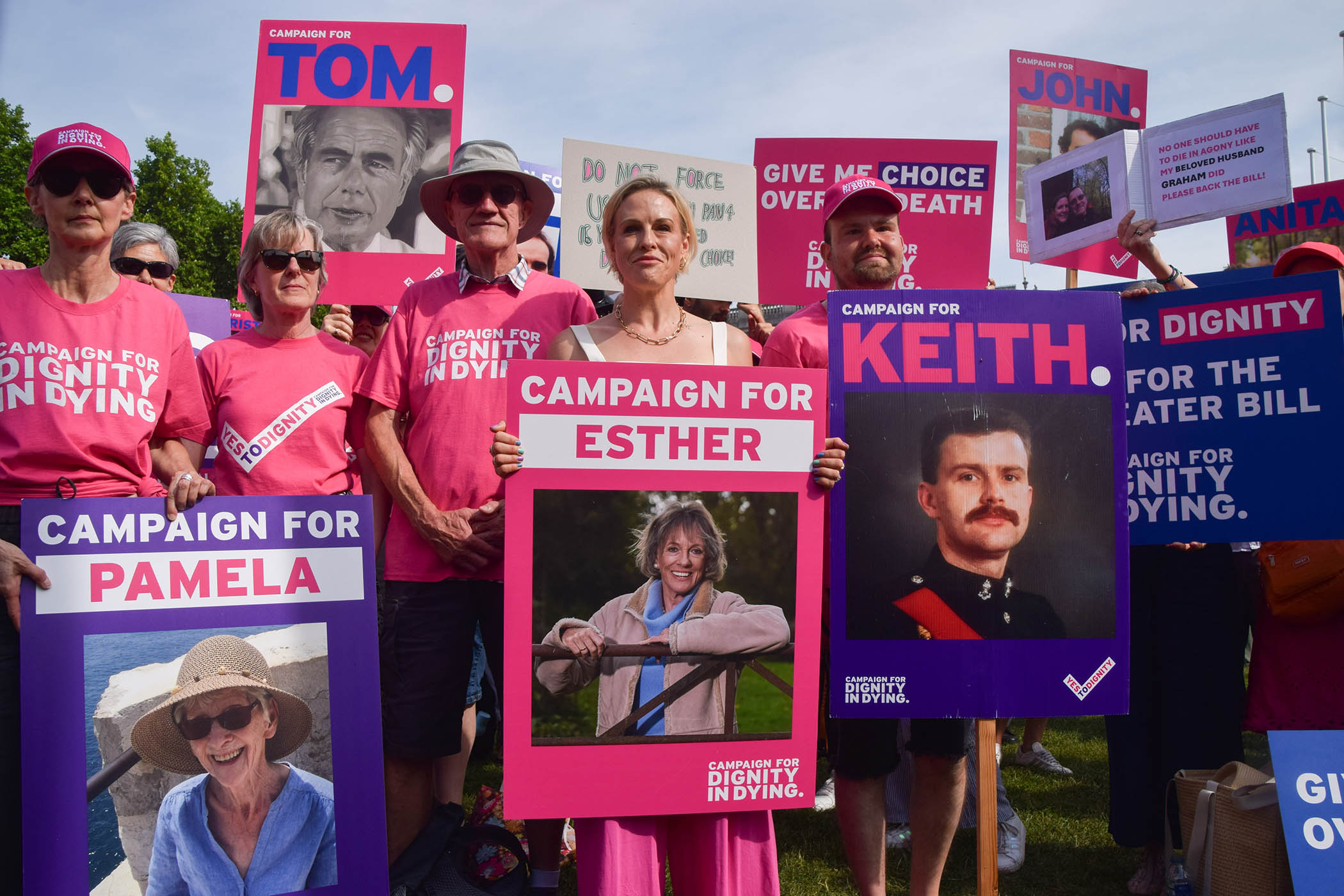

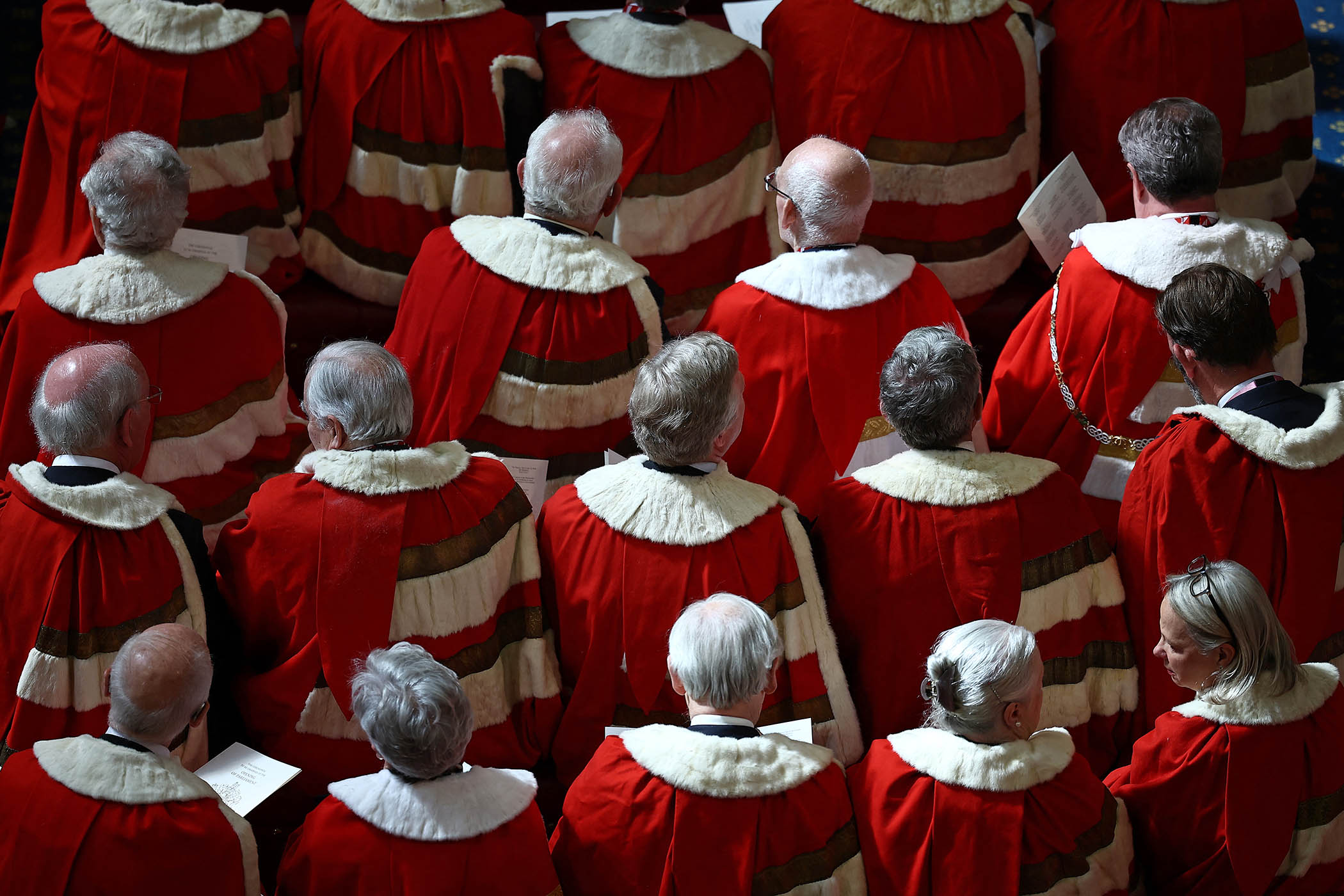
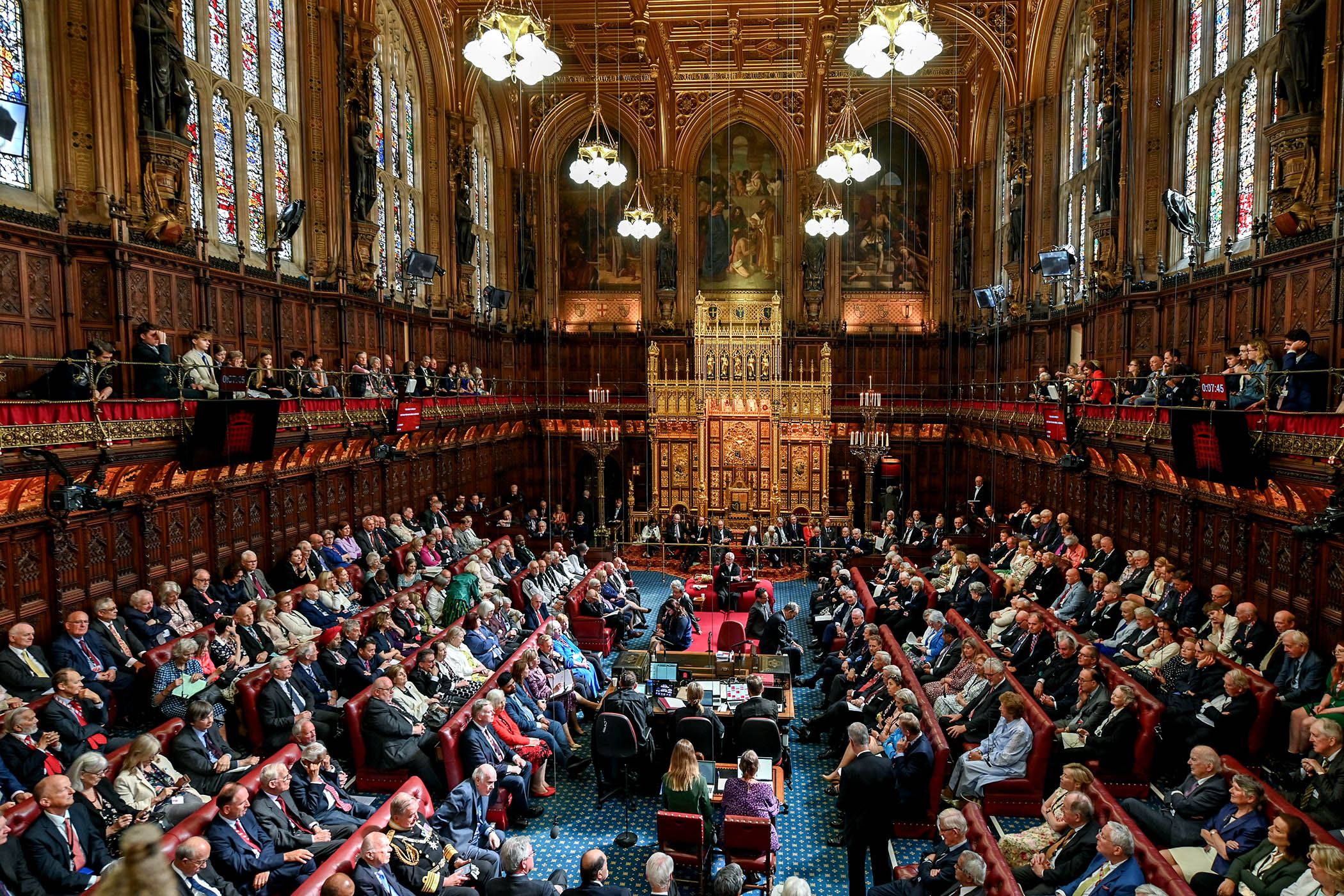
Keir Starmer has avoided a fight with senior members of his party by saying he will not intervene to save the assisted dying bill. A small group of mostly Conservative peers are working to scupper it.
Speaking to journalists on his trip to China, Starmer said: “The government has been neutral throughout the passage of this bill, and will remain neutral.”
Supporters of the bill have said they may try to use the Parliament Act to force it into law. Last week Lord Falconer, who sponsored the bill alongside backbench Labour MP Kim Leadbeater, threatened to employ the seldom-used parliamentary procedure to force it through the upper house.
“I have sought advice on the possible ways forward and it is clear to me that while we would strongly urge the Lords to come to a conclusion while there is still time, the Parliament Act is an option,” he said.
While opponents of the bill acknowledged that such a move was feasible, they described such tactics as “base bullying”. But proponents of the bill defended the approach. They blamed peers in the Lords who have been accused of using delaying tactics – and said it was highly unlikely for the bill to get through in the time remaining because only a fifth of the necessary ground had been covered so far.
The Parliament Act could be used if the legislation falls to pass the Lords in time, enabling another Labour backbencher to adopt it as their private member’s bill, albeit without any of the changes made since it passed the Commons last summer.
‘[Even sitting] through the night, the danger is they would talk and talk and it still wouldn’t go through’
‘[Even sitting] through the night, the danger is they would talk and talk and it still wouldn’t go through’
Parliamentary source
“Certainly [using the Parliament Act] is an incentive on those peers who genuinely want to make the bill better,” said one source who is backing Leadbeater and Falconer.
The bill, whose full name is the terminally ill adults (end of life) bill, has been inching its way through parliament for 15 months and will fall if not given final assent before the King’s Speech in May.
Related articles:
The Commons voted it through last June with a majority of 23, but it has stalled in the Lords, where a handful of peers have tabled more than 1,000 amendments and delivered lengthy speeches, prompting accusations of filibustering. Wes Streeting, the health secretary, and Shabana Mahmood, the home secretary, also oppose the bill.
On Friday, its eighth committee stage debate was upheld in the Lords; a further six are scheduled, keeping the private members’ bill in the upper chamber until late April. However, it must clear all its remaining stages in parliament before the current session ends, probably in May, or it will automatically fall.
Newsletters
Choose the newsletters you want to receive
View more
For information about how The Observer protects your data, read our Privacy Policy
Dozens of Labour backbenchers who opposed the bill have pre-empted its far-from-certain return to the Commons by putting their names to a letter sent to Labour’s chief whip Jonathan Reynolds, urging him to ensure MPs are not called back to parliament to vote on the bill during the campaigning period before Scottish, Welsh and local elections on 6 May.
Reynolds was one of several Cabinet ministers to vote against the bill at the Commons stage. One of the backbenchers involved said: “While there is obviously some latent public support for assisted dying, it isn’t core to what Labour was elected to do.”
The backbenchers are emphasising the high-stakes nature of these particular elections, which have become intrinsically linked to the survival of Starmer. Westminster is bracing for a potential leadership challenge if Labour does badly.
The bill was hugely divisive during its Common stages, pitting members of the same party against each other. It now appears to be having a similar effect in the Lords. Supporters of the bill are even considering all-night sessions in the Lords. “You could ask them to sit through the night until they came to a conclusion, but the danger is that they would talk and talk, and you still wouldn't get it through,” said the source.
Whatever happens to the bill, Labour has ruled out adopting it as a government bill in the next parliamentary session after the King’s speech in May, meaning there is no guarantee it would receive enough time – or support – for round two.
Photograph by Vuk Valcic/SOPA Images/LightRocket via Getty Images