


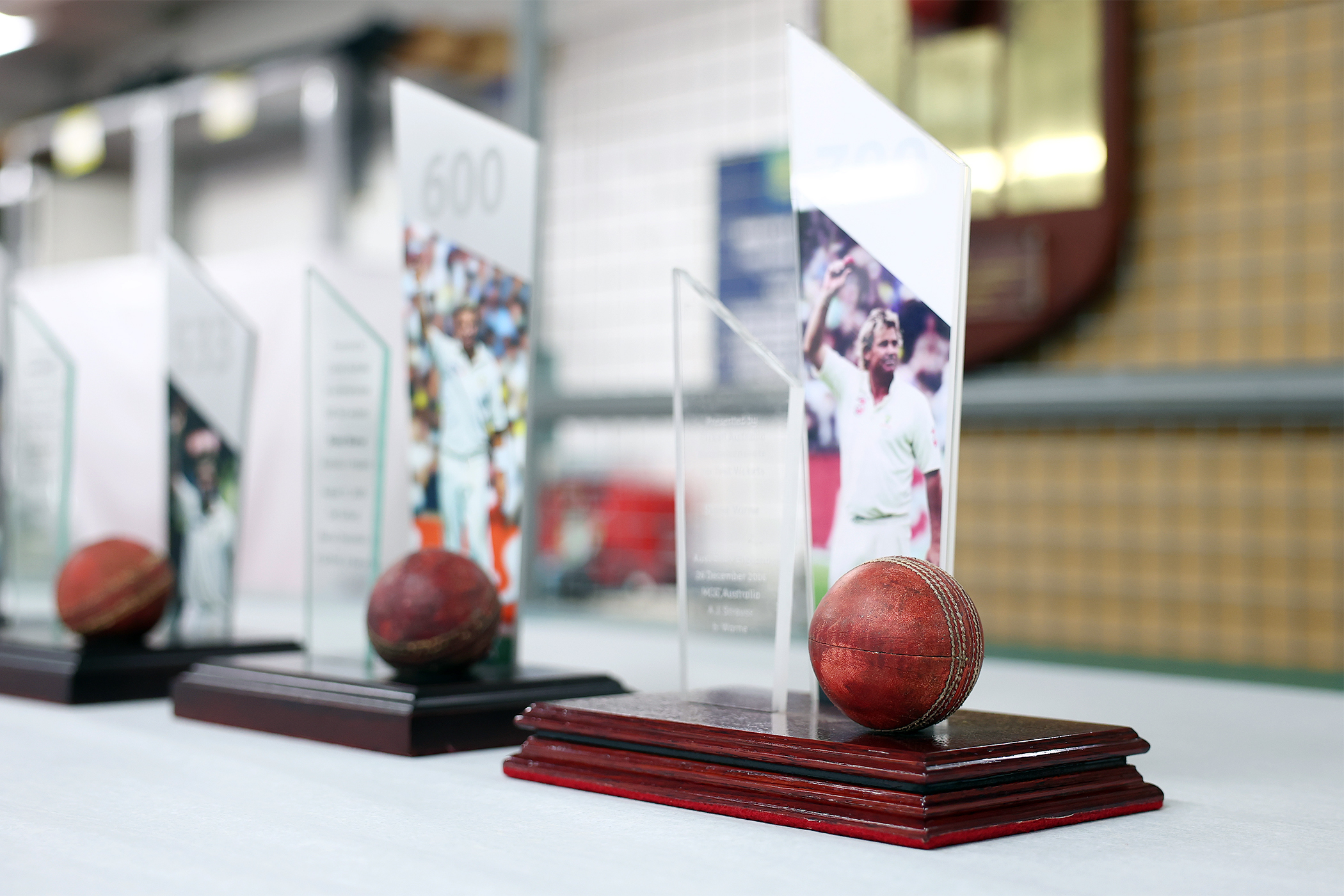
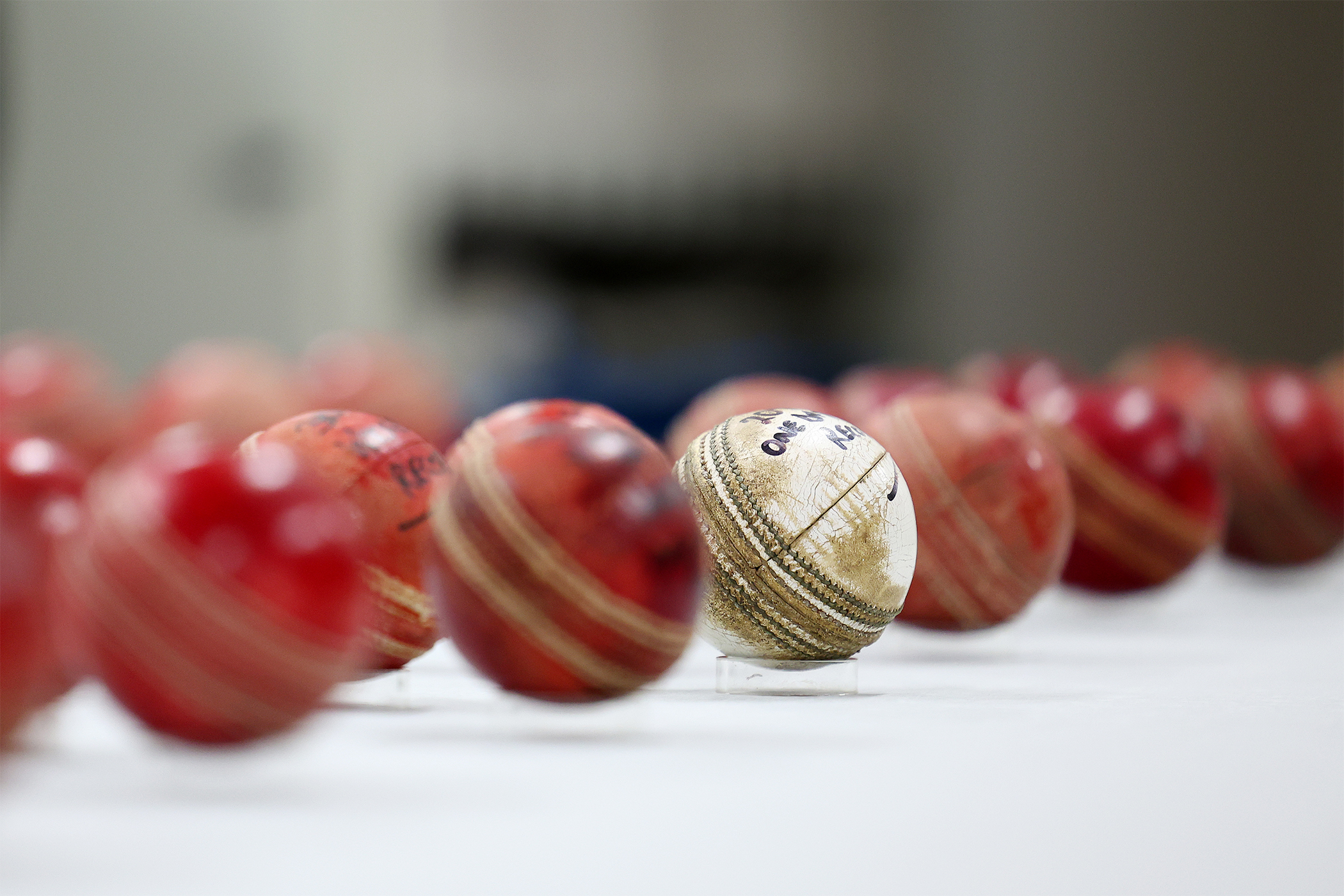
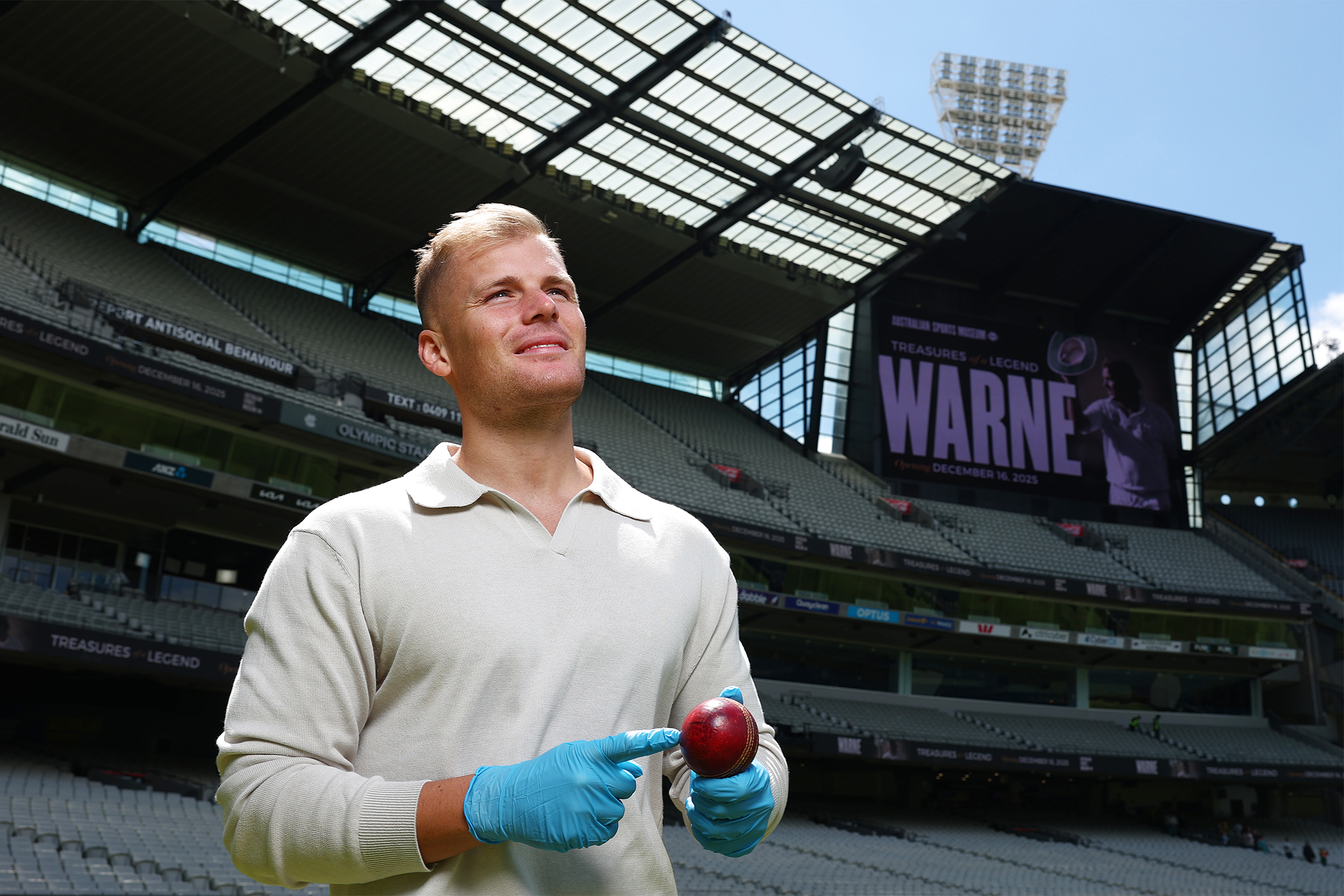
Standing in an anonymous back room in the Melbourne Cricket Ground, Jed Smith of the Australian Sports Museum is showing off dozens of souvenirs from Shane Warne’s legendary career – all laid out on the table in front of us.
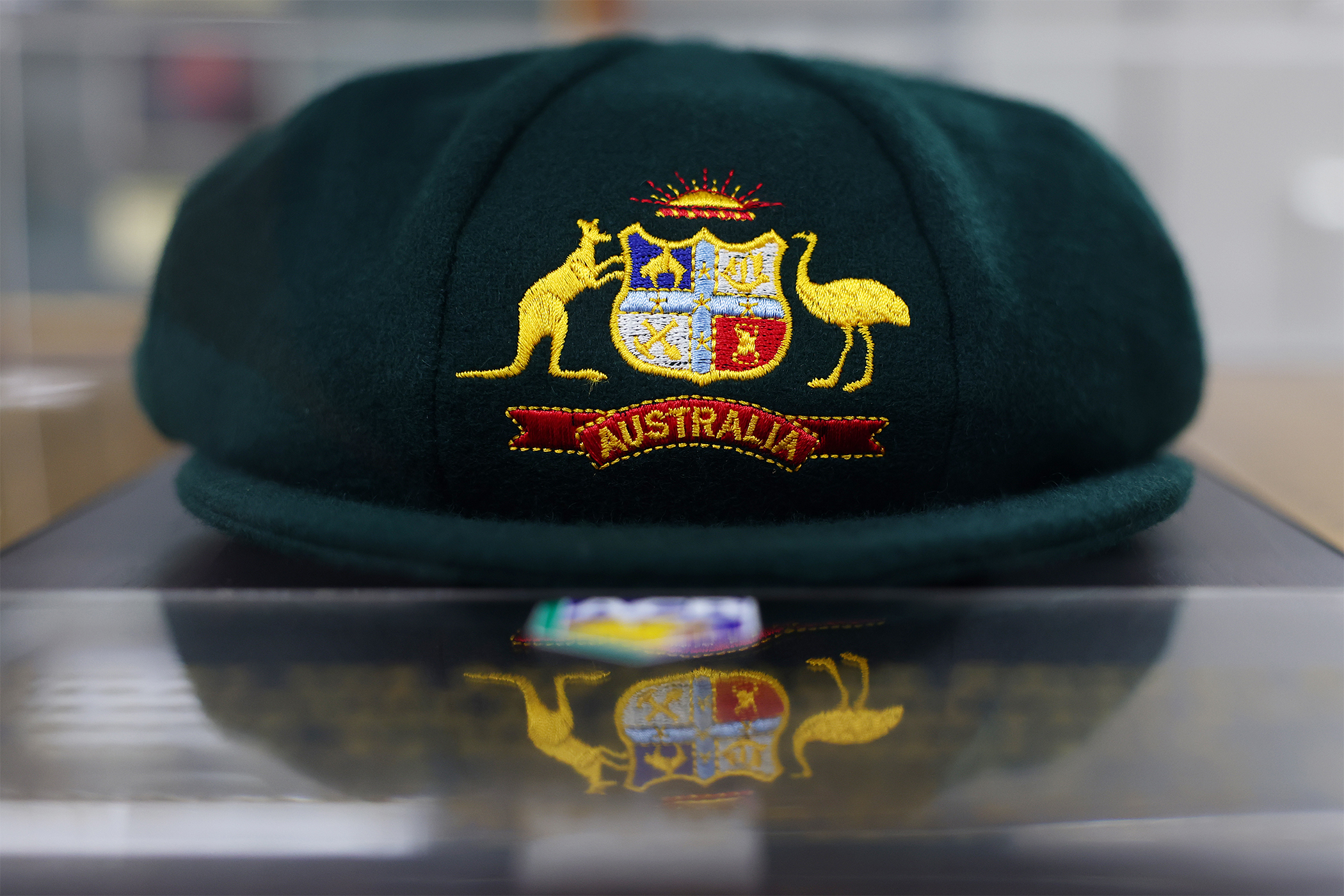
His baggy green. Check. The Gatting ball. Check. The ball he took his 600th wicket with. Check. The ball he took his 700th wicket with. Check. It’s all here. The balls are in small plastic bags. Some older, some newer. All merely battered cricket balls until the intangible history is attached to them. At which point, arranged in front of you, is the career of one of the greatest cricketers of all time.
“You can see it happening,” explains Smith. “He was living it.”
For the first hundred or so wickets of Warne’s career, The King, as he was known, wasn’t the strictest record-keeper. But as he started to approach milestones, the scale of his achievements and the trajectory of his career began to dawn on him.
“That’s when he really starts documenting everything,” Smith says. “And psychologically, that’s just fascinating. He was watching himself do it.”The pair of boots Warne was wearing when he took his 249th wicket, the figure required to overtake Richie Benaud and become the greatest Australian legspinner of all time sits there idly. Warne’s marker on the top of the shoes reads, “Beneaud. 249.” Benaud’s name, misspelt. “He was a lot of things,” Smith smiles about Warne, “but he wasn’t an academic.”
Related articles:
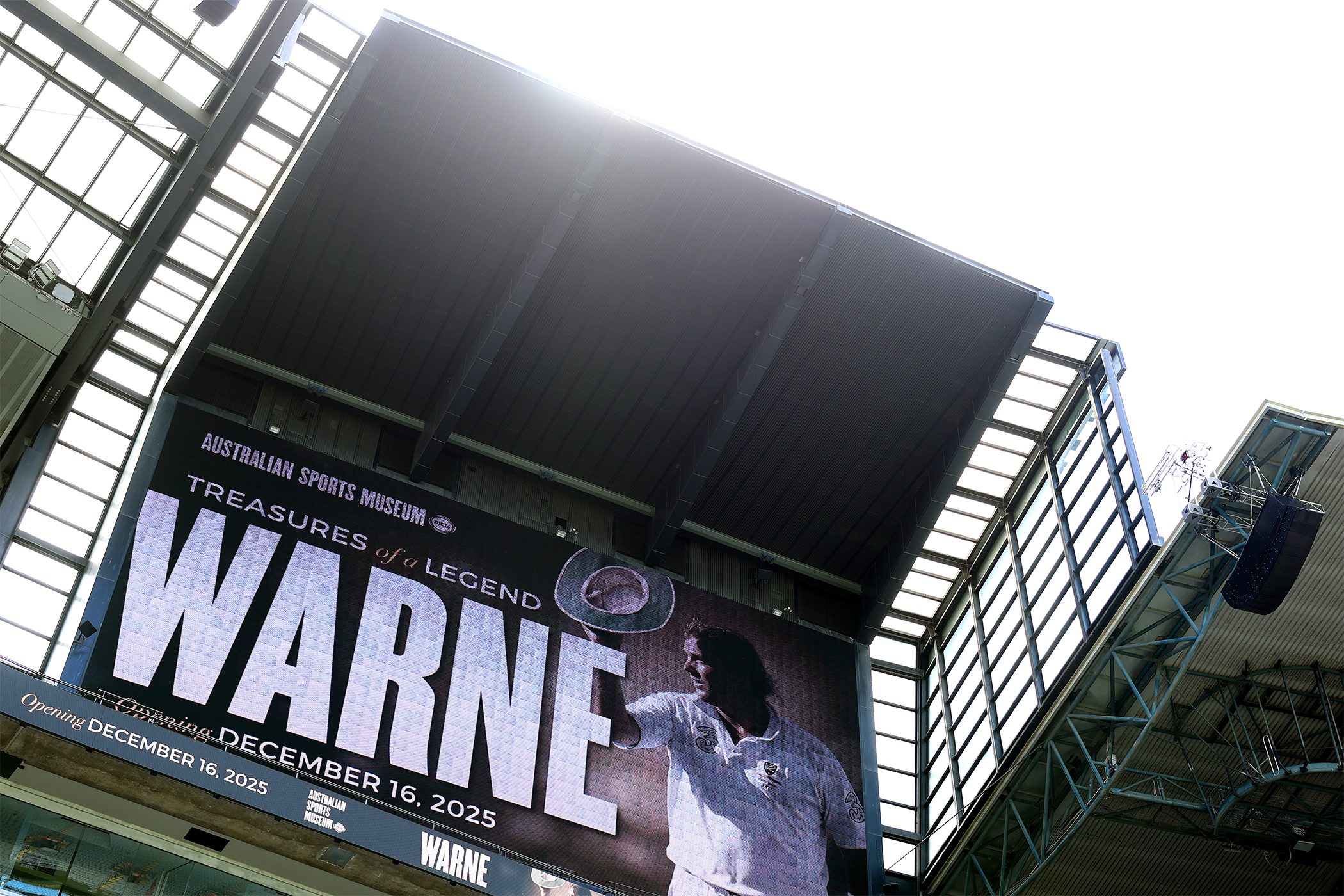
The Shane Warne exhibition opens at the MCG today, just in time for the Boxing Day Test. It is the only feasible location to honour the local boy who referred to the 100,000 seater behemoth as his ‘backyard’, and which later became the focal point for a nation’s mourning when Warne died suddenly in 2022.
“We had heard rumours after he passed that he had actually kept everything that he had used and worn,” explains Smith.
“And we knew someone who was able to go and look at the collection and he came back with stories of, ‘I can’t say much, but there are boxes and boxes of this stuff, and it is extraordinary.’”
Warne may not have been an academic, but thankfully for Australia, their favourite son was a bit of a hoarder. For years, Warne would return home, empty out his kitbag, and document the lot with his then wife Simone. Everything would be dated, with the relevant figures and details inscribed and lasting to this day. The Gatting ball, with which Warne bowled what became known as ‘The Ball of the Century’ in 1993, is the exception. There are no markings on that. Smith can only assume the marker rubbed off after years of Warne getting the ball out to tell the tale.
The exhibition has been arranged with help from Warne’s family who, in April last year, reached out to say they had catalogued everything they had at home, and would the museum be interested? Yes, was the answer.
“It's coming from the family in his own lockup that he put his name against it and signed,” Smith says excitedly. “It’s perfect provenance. Otherwise we’d have spent a year and a half checking that it is what it is.”
The exhibition marks the start of what the Australian Sports Museum hopes could one day become a standalone museum, with the mooted redevelopment of the Shane Warne Stand earmarked as the perfect location.
“We’re starting with a highlight reel,” explains Smith. “The future is unknown, but the intention is to do something bigger and better each time we display it.”
The initial run goes through to August, with over 80,000 people expected to visit the one-room exhibition that details Warne’s career. Tickets allow you access for a 20-minute slot, with demand through the roof already.
The involvement of Warne’s family, and in particular his children, has been crucial. The display, which is still in the process of being completed, features a number of plinths lining the edge of the room, while a centerpiece is overlooked by a screen where footage and voiceovers can be played. Warne’s children have provided many of the voiceovers and it is their insight that guides you around the room.
“The best a curator can do is disappear from the story,” Smith says of his own role as well as of his colleagues. “I don’t want you to think I’m telling you about it, I want you to experience it.
“So rather than me saying Shane Warne was XYZ, to have [Warne’s children] Brooke or Jackson saying, ‘Dad came from the Test and he was crying’ … Oh, god, that’s an insight. A personal story that brings out the human element which is ultimately what it’s all about.”
In total, just over 100 pieces have been given to the exhibition, of which 48 will be displayed.
“There’s no rubbish,” Smith says, “because everything he did was record-breaking.”
Warne is everywhere you look around the MCG. His statue is outside it, his name is on it, and now his exhibition is inside it.
Already in the existing sports museum there is a hologram of Warne, filmed almost 20 years ago, where he talks through his career.
“It’s busier than it’s ever been,” Smith concludes. In Melbourne, there is no such thing as too much Shane Warne.
Photographs by Morgan Hancock/Getty Images for the MCC