

This article first appeared as part of the Daily Sensemaker newsletter – one story a day to make sense of the world. To receive it in your inbox, featuring content exclusive to the newsletter, sign up for free here.
The UN’s wildlife body has reversed a call to restrict imports to India, despite raising concerns about a vast private zoo built by Asia’s richest family.
So what? The Ambanis have collected 150,000 animals at their 3,500-acre Vantara sanctuary in India’s Gujarat province, roughly fifteen times more than London zoo. The facility
•
presents itself as a rescue centre;
•
boasts state-of-the-art facilities; but has
•
been accused of wildlife trafficking by conservationists.
Big player. The Ambanis made their fortune from Reliance Industries, a £174bn conglomerate spanning energy, retail and telecommunications. This firm is India’s biggest taxpayer.
Pet project. Vantara is spearheaded by Anant Ambani, the 29-year-old scion of billionaire Mukesh Ambani. It was inaugurated by Narendra Modi in March.
Party animals. The zoo featured in Anant Ambani’s lavish wedding celebrations earlier this year. Celebs in attendance included Ivanka Trump, Mark Zuckerberg and Indian cricket legend Sachin Tendulkar. In its primary function, Vantara is thought to host
•
20 rhinoceroses;
•
62 chimpanzees;
•
219 tigers;
•
900 crocodiles; and
•
1,431 tortoises.
Haven. The stated purpose of Vantara, which is not open to the public, is to provide animals rescued from captivity or threatened by habitat destruction with a “renewed chance at life”. It has modern veterinary facilities, including a spa for elephants.
However, environmentalists have raised concerns that Vantara’s imports may not comply with regulations set by CITES, a global treaty governing the trade of wild animals and plants.
Related articles:
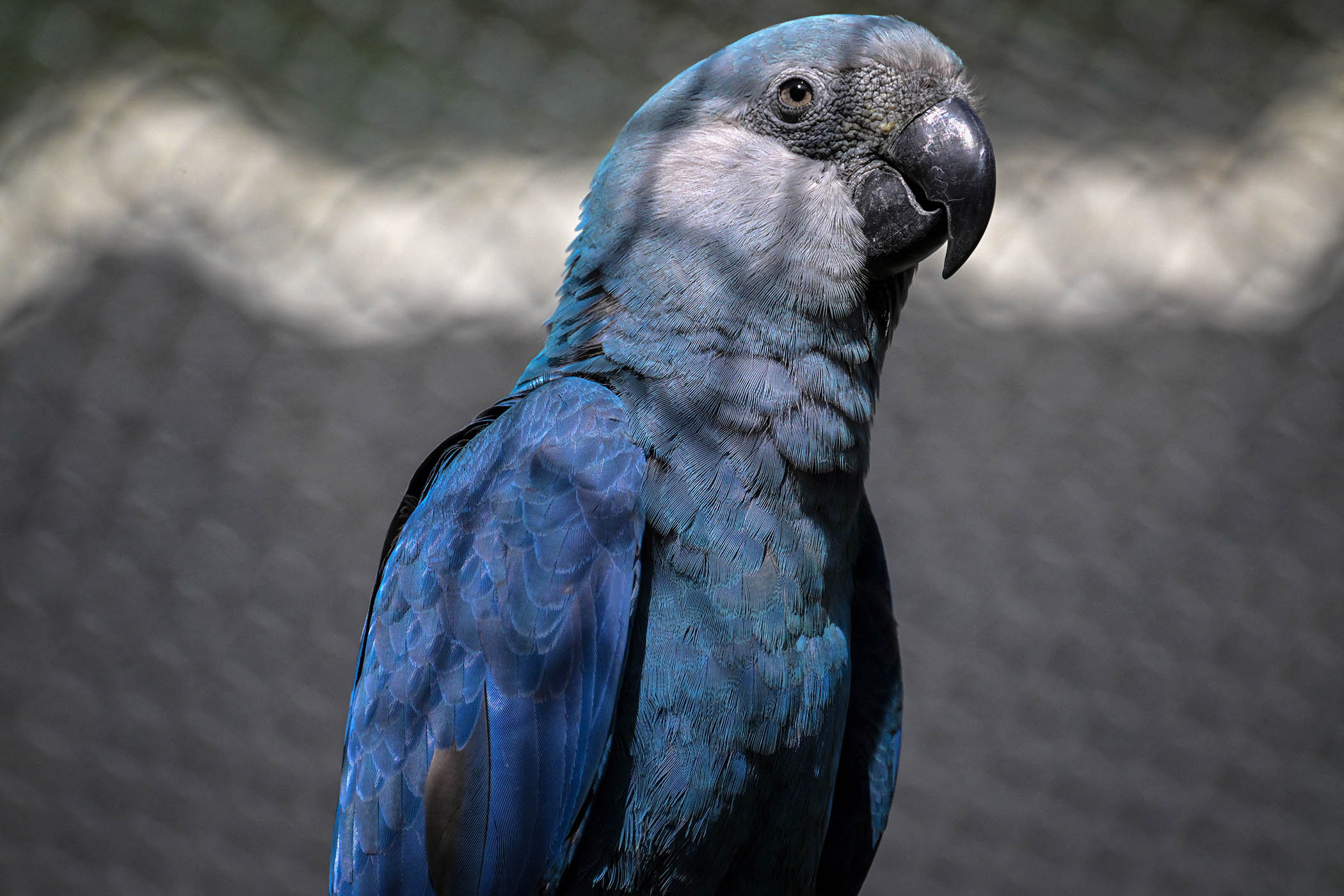
Ruffled feathers. There are question marks over the import of 26 Spix’s macaws, which were declared extinct in the wild in 2019. The birds were sourced from a German charity that had partnered with the Brazilian government to breed them. Brazil said it did not consent to their transfer to India and terminated its agreement with the organisation.
New home. There was also the transfer of eight chimps from Kinshasa. Officially they were rescued from a run-down zoo and exported with the approval of the Congolese government. But a French primatologist has alleged that they “came from the wild”, which would be illegal under national and international laws.
Newsletters
Choose the newsletters you want to receive
View more
For information about how The Observer protects your data, read our Privacy Policy
Paper trail. Earlier this year, the Czech branch of CITES claimed it had “no doubts” that some animals transferred to Vantara had been sold rather than rescued.
Back and forth. This would not be a violation of the convention. But in November, CITES said India should not issue import permits until it reinforced its due diligence measures. A few weeks later it failed to pass a motion on the issue, which Delhi, Washington and others opposed.
Response. Vantara did not respond to a request for comment on allegations that its animal imports are inconsistent with CITES rules. A spokesman has previously said that “there has never been any commercial consideration paid for any animal transferred to Vantara”.
Judgement. A panel of retired judges appointed by India’s supreme court has cleared Vantara of wrongdoing regarding animal imports and welfare. It said the facility’s imports had “undergone multi-layered and multi-jurisdictional verification”.
Next steps. Ivonne Higuero, secretary general of CITES, told The Observer she had “various concerns” about Vantara, despite finding “some positive elements” at the facility. She said investigations must now focus on exporting countries, which often have lax permit procedures.
What’s more… Traditional zoos can also be susceptible. A 2021 study found that 70 rare monitor lizards in European and American sanctuaries were probably illegally trafficked.
Photograph by Nelson Almeida/AFP via Getty Images