
This article first appeared as part of the Daily Sensemaker newsletter – one story a day to make sense of the world. To receive it in your inbox, featuring content exclusive to the newsletter, sign up for free here.
The US seized a Russian-flagged tanker in the Atlantic yesterday afternoon on the grounds that it threatened the “security and stability of the Western Hemisphere”.
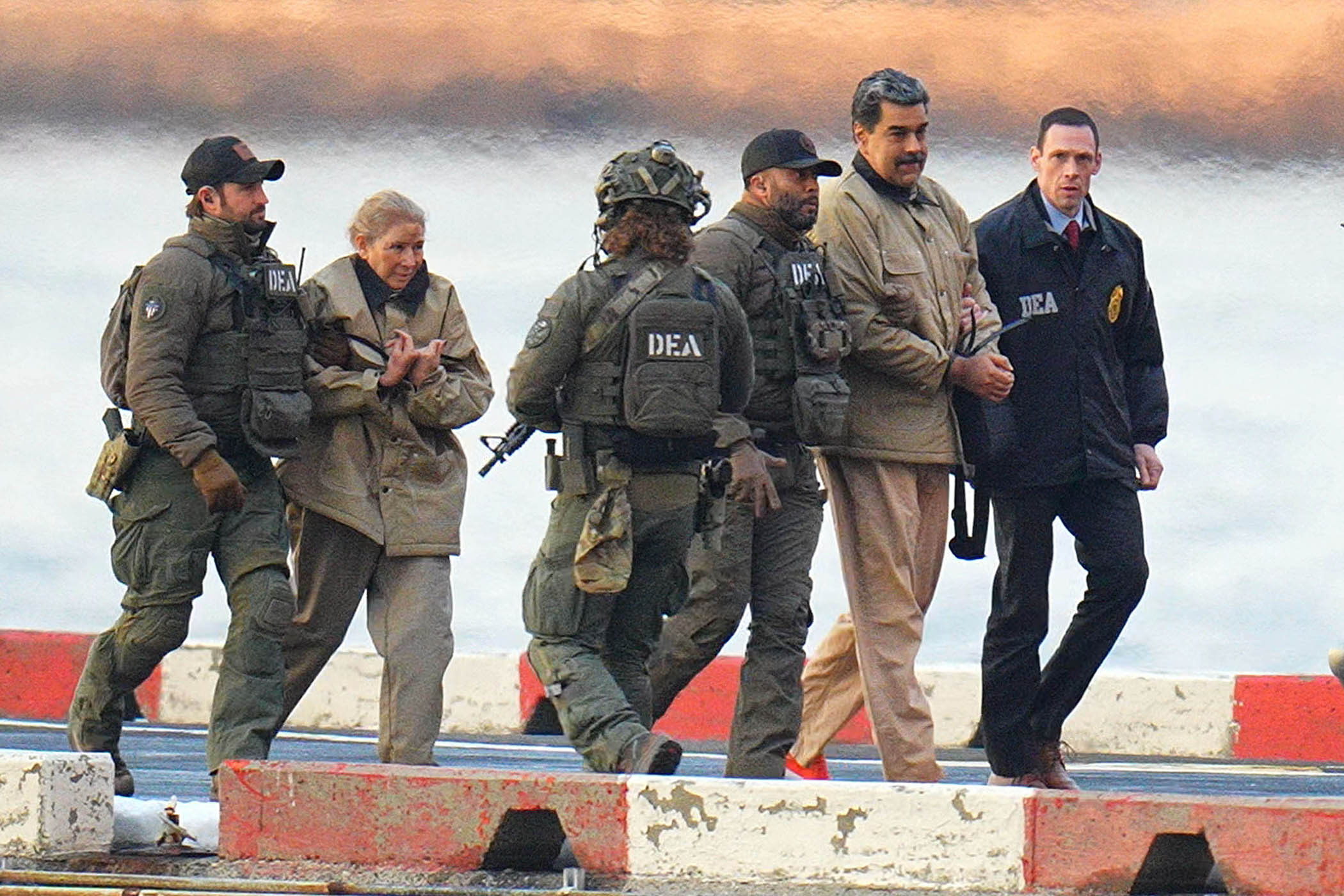
So what? Donald Trump’s foreign policy strategy can no longer be in doubt. What Steve Bannon calls “hemispheric defence” and Trump has dubbed the “Donroe doctrine” was trailed by last year’s purchase of Panama Canal ports, expanded by Saturday’s capture of Nicolás Maduro, and may yet be fully realised by attempts to seize or control territory that could stretch
•
from Greenland, which Trump says the US needs;
•
through Canada and Mexico, neighbours which he has threatened to annex; and
•
across Latin America, which has been put on notice as key to his expansionist vision.
The Monroe doctrine is named after President James Monroe, who told Congress in 1823 that Europe should keep out of the Western Hemisphere. It was invoked to invade Puerto Rico and Cuba in 1898, and under Theodore Roosevelt, whose aggressive definition led to US troops being sent into the Dominican Republic, Nicaragua and Haiti during and after his presidency.
The Donroe doctrine is the Maga revival. Most coherently expressed by the latest US National Security Strategy, published last month, it demands supremacy in a hemisphere that
•
remains stable enough to discourage mass migration;
•
contains governments that co-operate against cartels; and
•
is free of hostile foreign incursion or ownership of major assets.
Trump corollary. Where the US has largely kept the world guessing is in how it would enforce these interests, which it says are designed to “protect our homeland and our access to key geographies throughout the region”. Although the document points out that it has the strongest military on the planet, it also cites America’s financial system, alliances and soft power.
America First, everywhere. Thanks to the capture of Maduro, the world must now take seriously the idea that the US is willing to use brute force to dismantle existing paradigms.
Map shaker. US actions in Venezuela appear designed, in part, to telegraph what it could do to other countries that don’t play ball with America’s national strategy. Those in the crosshairs include Greenland, Canada, Cuba, Mexico and Colombia. All except Greenland are fully sovereign nations, collectively home to nearly 240m people.
Related articles:
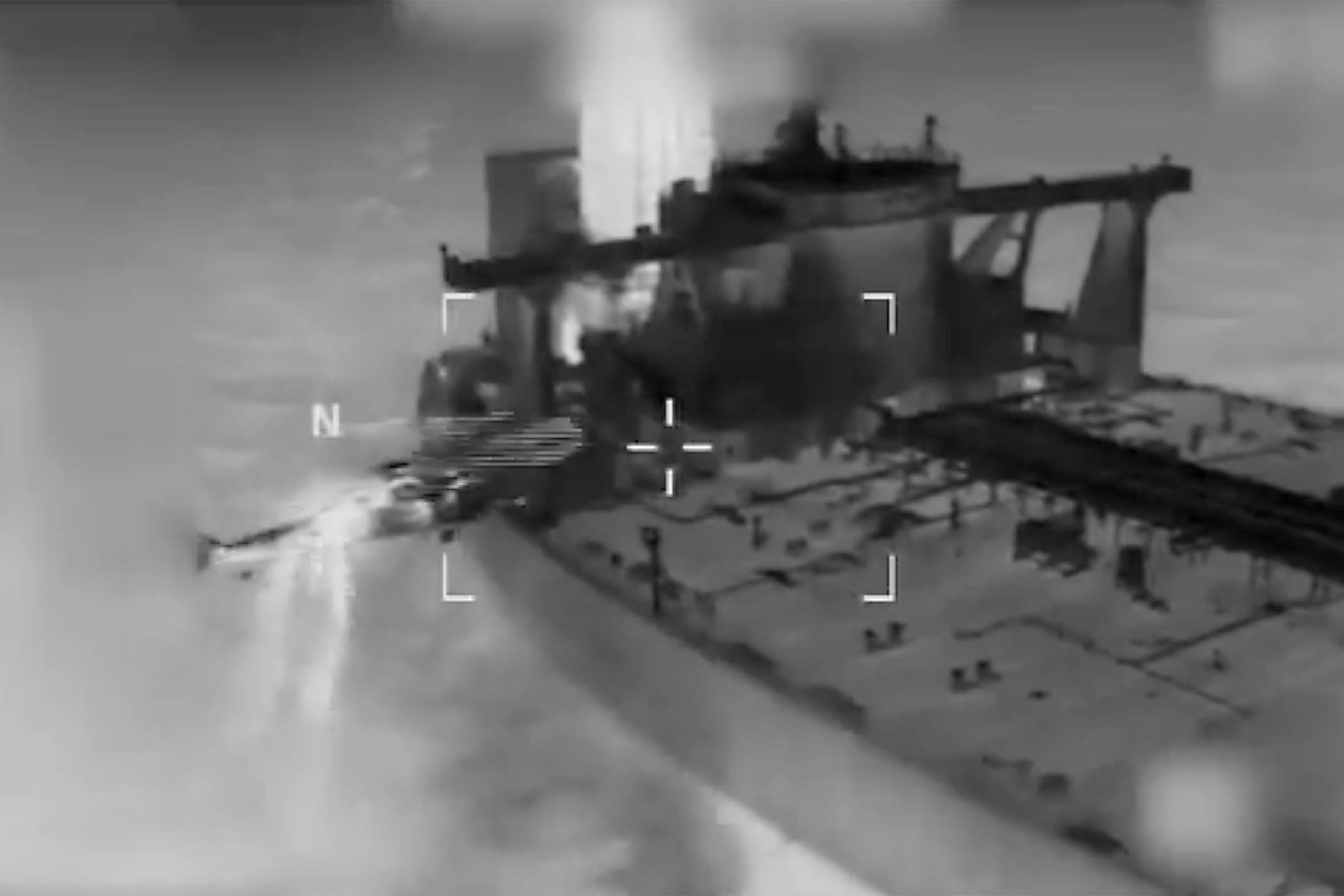
Raising the stakes. The Marinera tanker was seized, Defence Secretary Pete Hegseth said yesterday, in accordance with a blockade on sanctioned Venezuelan oil “anywhere in the world”. Boarded by US forces in the seas between Iceland and Scotland, its transponder signals show it had taken a route from Iran via the Suez Canal and Strait of Gibraltar to the Caribbean, where the US Coast Guard tried to intercept it last month.
Here be dragons. It was thought then that the tanker was heading to Venezuela, where it reportedly had a contract for a million barrels of oil. When seized yesterday afternoon, now temporarily registered under a Russian flag, it was moving north. The operation is thought to be the first US military capture of a Russian-flagged vessel in recent history.
Newsletters
Choose the newsletters you want to receive
View more
For information about how The Observer protects your data, read our Privacy Policy
What friends are for. The UK has confirmed it provided support to seize the tanker. This may turn out to have been a thankless task, if the Donroe Doctrine is taken to its feared conclusion.
Warning signs. A 2019 speech by Fiona Hill, a former adviser to Trump, has resurfaced over the past few days. She describes the Russians floating a “very strange swap” in which the Kremlin would keep out of Venezuela if given free rein in Ukraine. Trump wasn’t interested in the deal. But there are concerns it presages his development of a vision in which the US, Russia and China preside over their own hemispheres and leave each other to their own devices.
The catch. What complicates this theory is that the US is evidently still interested in Taiwan, even if it has shifted to frame the relationship in transactional rather than value-based terms. The US National Security Strategy emphasises its own neighbourhood but also prioritises
•
“keeping the Indo-Pacific free and open”;
•
“preserving the freedom and security of Europe”; and
•
“prevent[ing] an adversarial power from dominating the Middle East”.
Catch to the catch. But there is no guarantee that the US will enforce these interests in a manner or to a degree that suits the regions in question.
What’s more… The US is not the only player on the stage. Although neither Beijing nor Moscow will readily give up their footholds in Latin America, the Donroe Doctrine has echoes of their hopes for a carved up globe. Trump’s America cannot be everywhere at once. If it is busy in the Western Hemisphere, then perhaps all the better for China in Asia and Russia in Europe.
Photograph courtesy @Sec_Noem/X