
This article first appeared as part of the Daily Sensemaker newsletter – one story a day to make sense of the world. To receive it in your inbox, featuring content exclusive to the newsletter, sign up for free here.
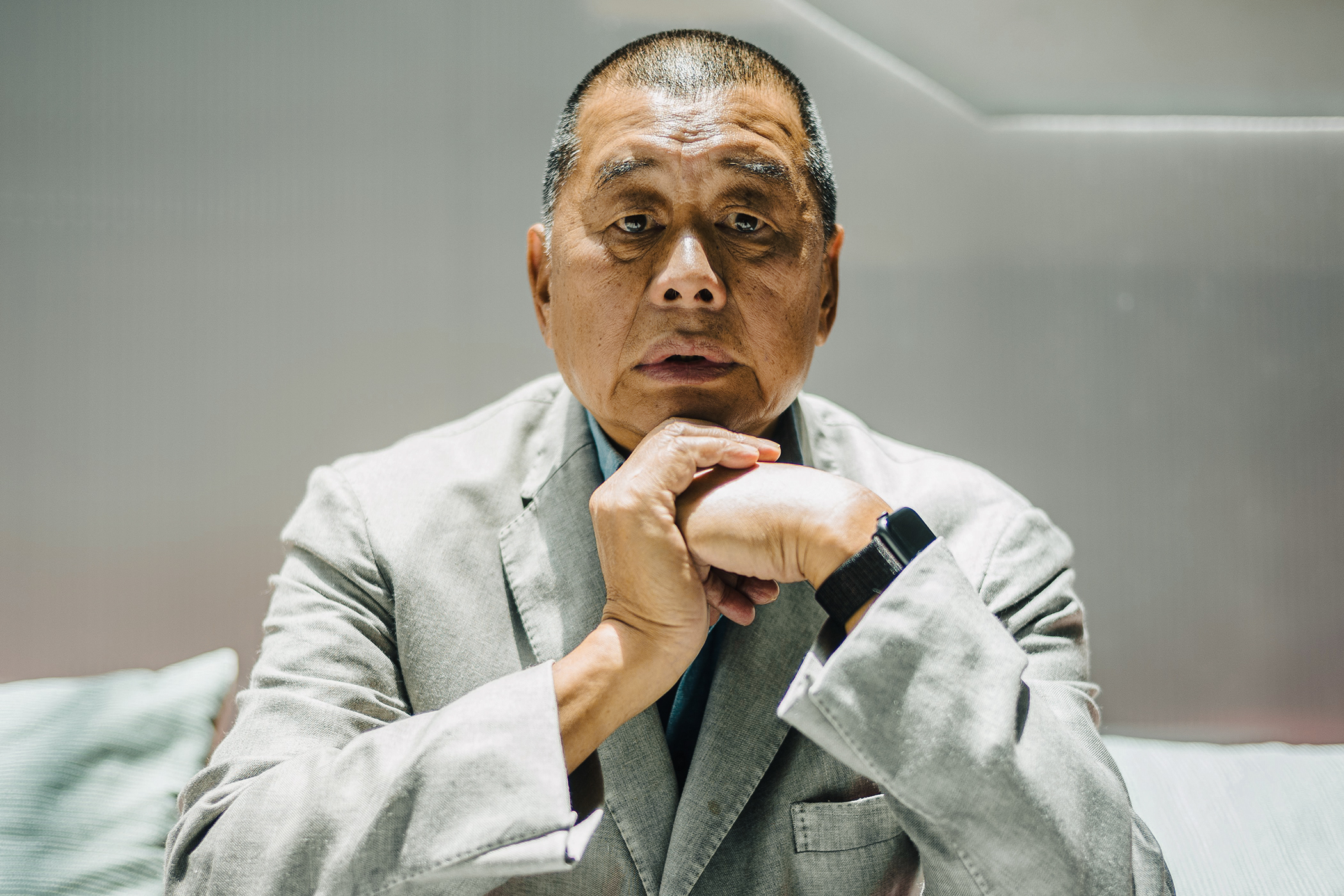
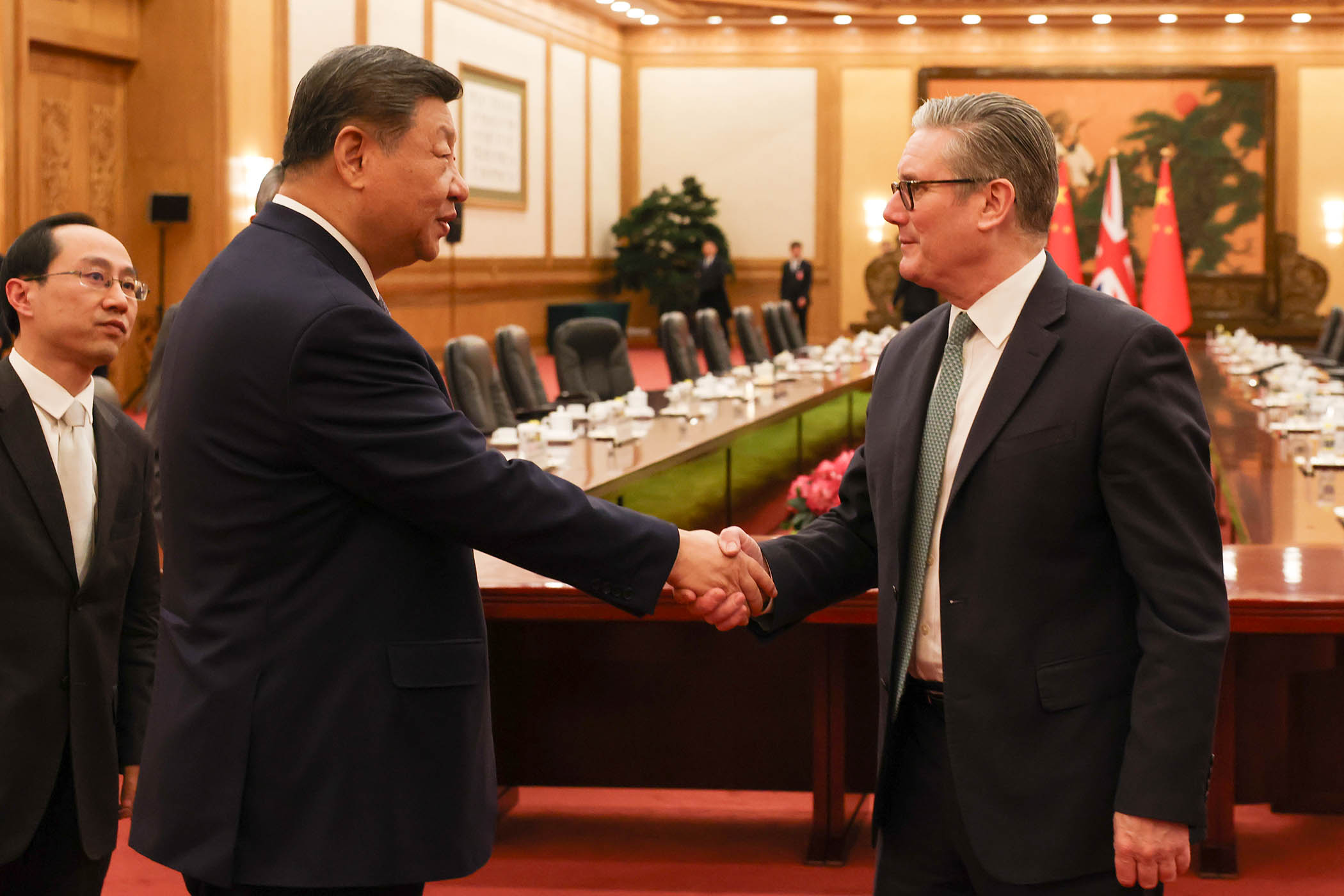
Donald Trump has asked President Xi Jinping to release Jimmy Lai, a British citizen found guilty of national security offences in Hong Kong.
So what? Trump said last year that it would be easy to free the media tycoon, who was arrested in 2020 and convicted on Monday. Now he has a chance to prove it. Lai is 78 years old and in ailing health. If his release cannot be secured it will
•
likely lead to him dying in prison;
•
put another nail in the coffin of Hong Kong’s freedoms; and
•
suggest that the West is no longer able to stand up for its basic values.
Rags to riches. Born in China, Jimmy Lai arrived in Hong Kong as a stowaway on a fishing boat and soon became one of its most powerful men. He was a successful retail entrepreneur by the time he was 30, but turned his hand to publishing after the Tiananmen Square massacre of 1989.
Newspaper man. A self-proclaimed troublemaker, Lai started with a magazine. Then, in 1995, he launched a newspaper called Apple Daily. A mix of sex, gossip and fearless political reporting, the paper wrote the kind of stories about mainland China that would never get published there.
One country, two systems. Britain handed Hong Kong over to China in 1997, at which point it became a special administrative region. The arrangement was designed so that Hong Kong would be under Chinese sovereignty, while maintaining its own economic and social structures.
Democracy man. But freedoms promised during the handover repeatedly came under threat and drove those who resisted integration with mainland China to the streets. The biggest pro-democracy movement emerged in 2019 and is believed to have involved a quarter of all Hong Kongers. Apple Daily, which printed inserts to be used as protest signs, was front and centre.
Walls close in. Beijing didn’t back down. In 2020, Hong Kong passed a national security law, which the West viewed as a way to curtail freedom of speech and civil liberties. Lai was arrested a few weeks later and paraded through the newsroom.
Related articles:
Damn the walls. Lai didn’t back down either. The day after he was detained, his paper doubled its print run with the front page: “Apple Daily will keep fighting.” Lai was briefly released from jail and did multiple interviews with foreign media. But a year later Apple Daily was forced to shut down after having its assets frozen by Hong Kong authorities.
Never a chance. On Monday, Lai was found guilty of national security offences. He faces a life sentence. The verdict seemed inevitable given that protesters targeted by the national security law have had a conviction rate of nearly 100%. But it has still caused global outrage.
Newsletters
Choose the newsletters you want to receive
View more
For information about how The Observer protects your data, read our Privacy Policy
British interest. Beijing accused the UK of a “sinister” plot to destabilise Hong Kong after the foreign secretary, Yvette Cooper, called the verdict a “politically motivated prosecution”. But Cooper has a right to her view. Lai is, after all, a British citizen.
American interest. Lai is also a popular figure among China hawks. When he was a free man, he met with Mike Pence, Mike Pompeo and John Bolton. Although Trump no longer sees eye to eye with any of these figures, he said on Monday that he felt “so badly” about the conviction of Lai and had asked President Xi to consider his release. The leader of Hong Kong, John Lee, said some foreign media organisations had “deliberately misled the public” about what Lai had done.
Levers to pull. The West’s campaign to free Lai may work. Beijing has a unique chance to burnish Hong Kong’s image and avoid a repeat of what happened to Liu Xiaobo, who in 2017 became the first Nobel laureate to die in prison for more than 80 years. The US and the UK, for their part, have some scope to apply pressure to Chinese trade.
Bigger picture. But even if Lai is released, it will not change the fate of other pro-democracy voices who have fallen victim to the national security law. Dozens have been imprisoned, while many have fled Hong Kong only to be threatened from afar.
What’s more… 2047 marks the year when the “one country, two systems” principle will come to an end. This may seem like a long way away. For Hong Kongers who fear further integration with mainland China, it is all too soon.
Photograph by Anthony Wallace/ AFP via Getty Images