

This article first appeared as part of the Daily Sensemaker newsletter – one story a day to make sense of the world. To receive it in your inbox, featuring content exclusive to the newsletter, sign up for free here.
The New Start treaty governing the nuclear arsenals of Russia and the US expires today.
So what? The two countries account for 90% of nuclear weapons. For the first time in more than half a century, there are no bilaterally-agreed restrictions on their arsenals nor any established mechanisms to monitor their size and no talks are planned to set new ones. This
•
risks sparking another nuclear arms race;
•
increases the dangers of a miscalculation; and
•
could encourage non-nuclear powers to develop their own weapons.
Way back when. Moscow and Washington started talks to soothe nuclear tensions in 1969. Early treaties focused on restricting deployments of the missiles, silos, submarines and bombers needed to launch nuclear weapons. The Start I treaty, signed in 1991, set the first caps on the number of warheads possessed by each side.
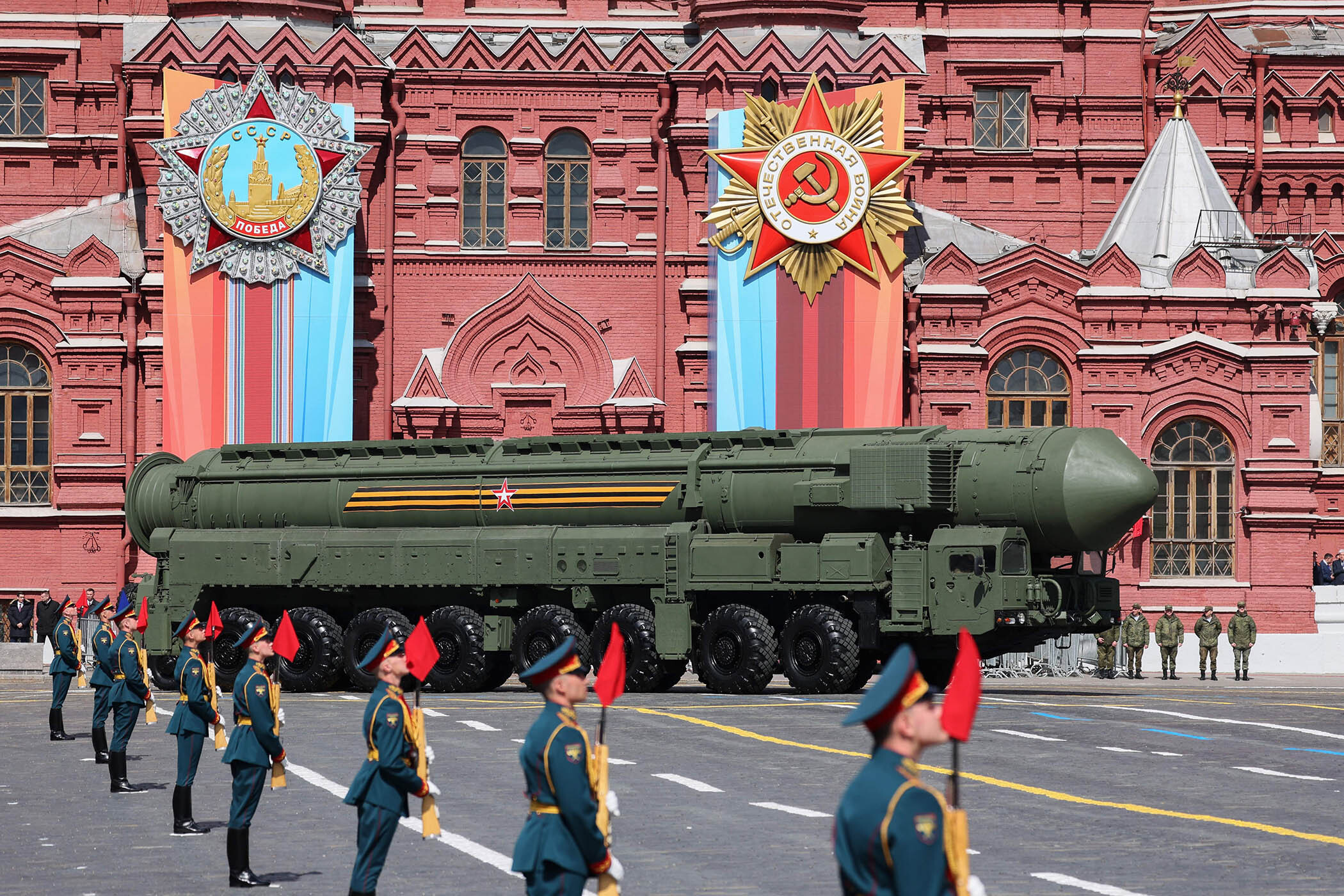
Old regime. New Start was agreed in 2010 and limited Russia and the US to 1,550 nuclear deployed warheads apiece. This was enough to wipe each other out several times over, but far below Cold War levels. The treaty also restricted them to 700 deployed missiles and 800 launchers, with mechanisms to check compliance and allow regular exchanges of data.
Different times. Talks to renew New Start were scuppered after Vladimir Putin’s full-scale invasion of Ukraine. Putin suspended Russia’s participation in the treaty in 2023. Although it has stuck to warhead limits, Moscow has brandished nuclear threats to put pressure on allies of Ukraine. Trump, meanwhile, has vowed to resume US nuclear testing.
Era of uncertainty. “We used to have a taboo against the threat of using nuclear weapons, and we’ve seen that gradually eroded,” said Georgia Cole from Chatham House. She fears that destabilising rhetoric “could potentially lead to the use of a tactical nuclear weapon”, especially when the US and Russia no longer have any formal means to monitor each other’s activities.
New toy. The Kremlin has also taken issue with Trump’s Golden Dome, a proposed missile defence system that the senior security official Dmitry Medvedev has claimed “completely contradicts” the terms of New Start.
Related articles:
Olive branch. Despite his sabre-rattling, Putin offered to extend New Start for a year in September. The deal has already been renewed once, which is all that is allowed under the terms of the treaty, but a temporary extension could have given time to strike a new agreement.
No new start. Trump has blown hot and cold. He initially described Russian’s suggested extension as “a good idea”. Later he said: “If it expires, it expires.”
Newsletters
Choose the newsletters you want to receive
View more
For information about how The Observer protects your data, read our Privacy Policy
House of cards. Other arms control treaties are also under threat as the geopolitical order fragments. Last year five European countries withdrew from a longstanding treaty banning the use of anti-personnel mines, citing threats from the Kremlin. In 2023, Russia and Nato members pulled out of a pact limiting the deployment of armed forces in Europe.
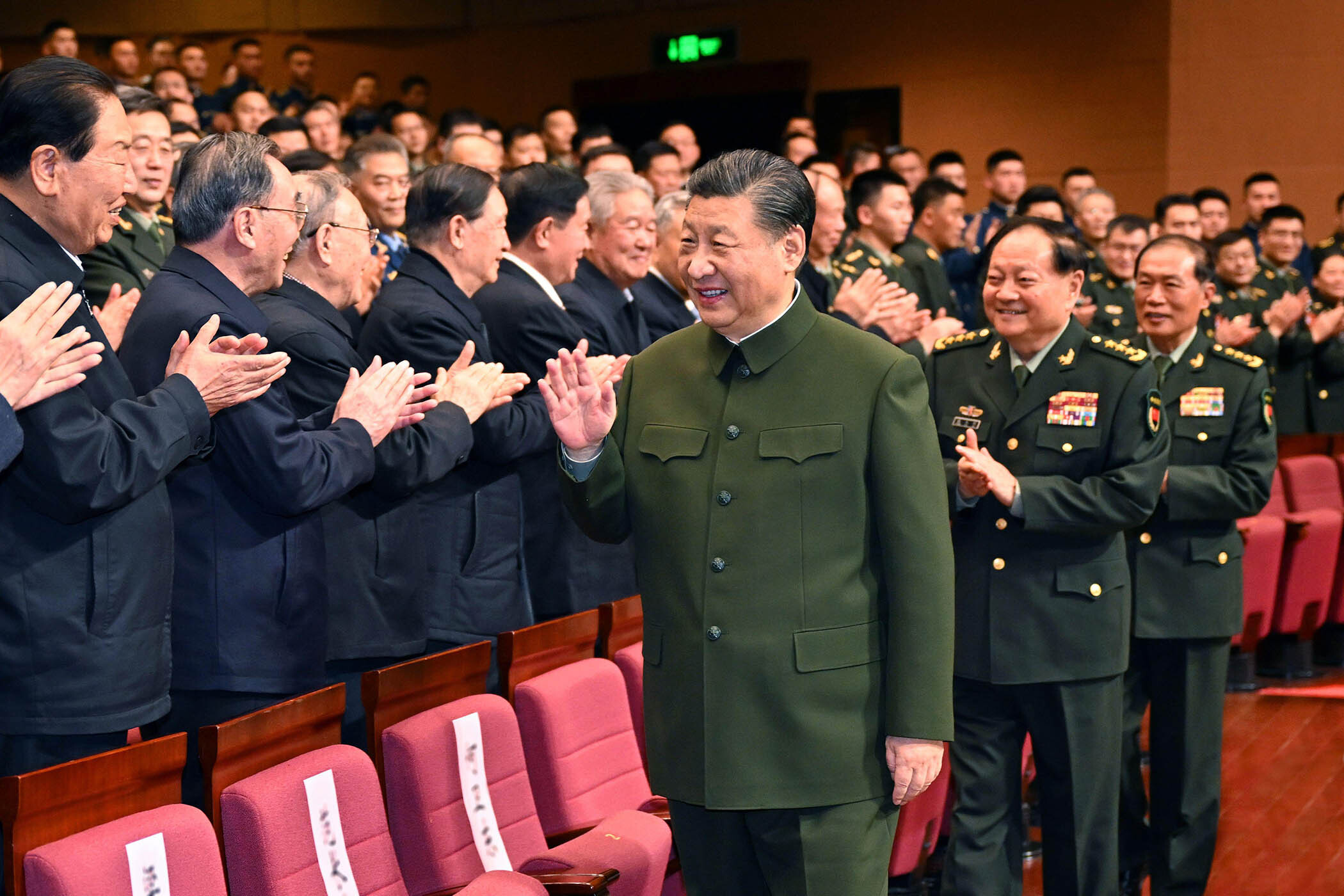
Looking east. Trump is eyeing a new nuclear treaty that also includes China. This “would sink all progress”, said Cole, since Beijing has refused to enter talks until it achieves parity with Russia and the US. Although China has doubled its arsenal to 600 warheads, it still lags far behind these two countries, which each have well over 5,000 when stockpiles are included.
Bigger picture. There are fears that the end of New Start could destabilise the 1970 treaty on the non-proliferation of nuclear weapons, which will be reviewed in the spring. It commits non-nuclear states not to develop nuclear weapons and requires all signatories to pursue talks towards disarmament. If Russia and the US renege on this, other nations could follow.
What’s more… A thin silver lining is that ramping up warhead numbers would require vast expenditure. This is something for which neither side has budgeted – yet.
Graphic by Hannah Schuller. Photograph by Gavriil Grigorov/Sputnik/AFP/Getty Images