Ryan Murphy’s new body horror series The Beauty follows the spread of a virus that makes those infected suddenly gorgeous. The women who catch it emerge from a bone-cracking cocoon, newly skinny, pouting and symmetrical, while the men are rebirthed bloodily with six-packs and chiselled jaws. All would be fine were these people not, two years later, spontaneously combusting, dying noisily in an explosion of flesh and gelatinous brain matter.
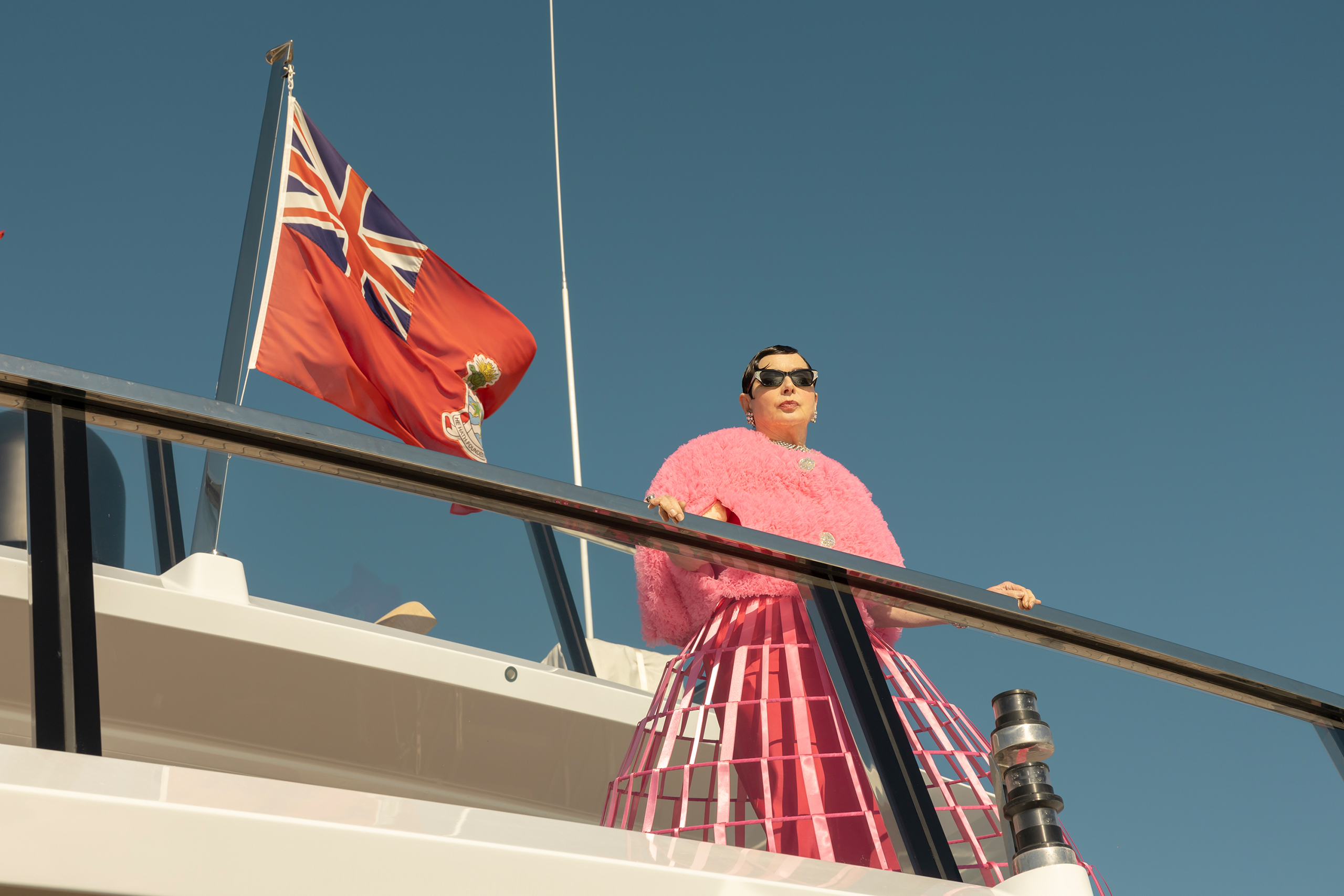
The Beauty joins 2024’s The Substance and 1992’s delicious Death Becomes Her by fixing a cloudy stare on our obsession with youth – it also shares a star in Isabella Rossellini (pictured), who told us in Death Becomes Her that life’s ultimate cruelty was the way “it offers us a taste of youth and vitality, and then it makes us witness our own decay”.
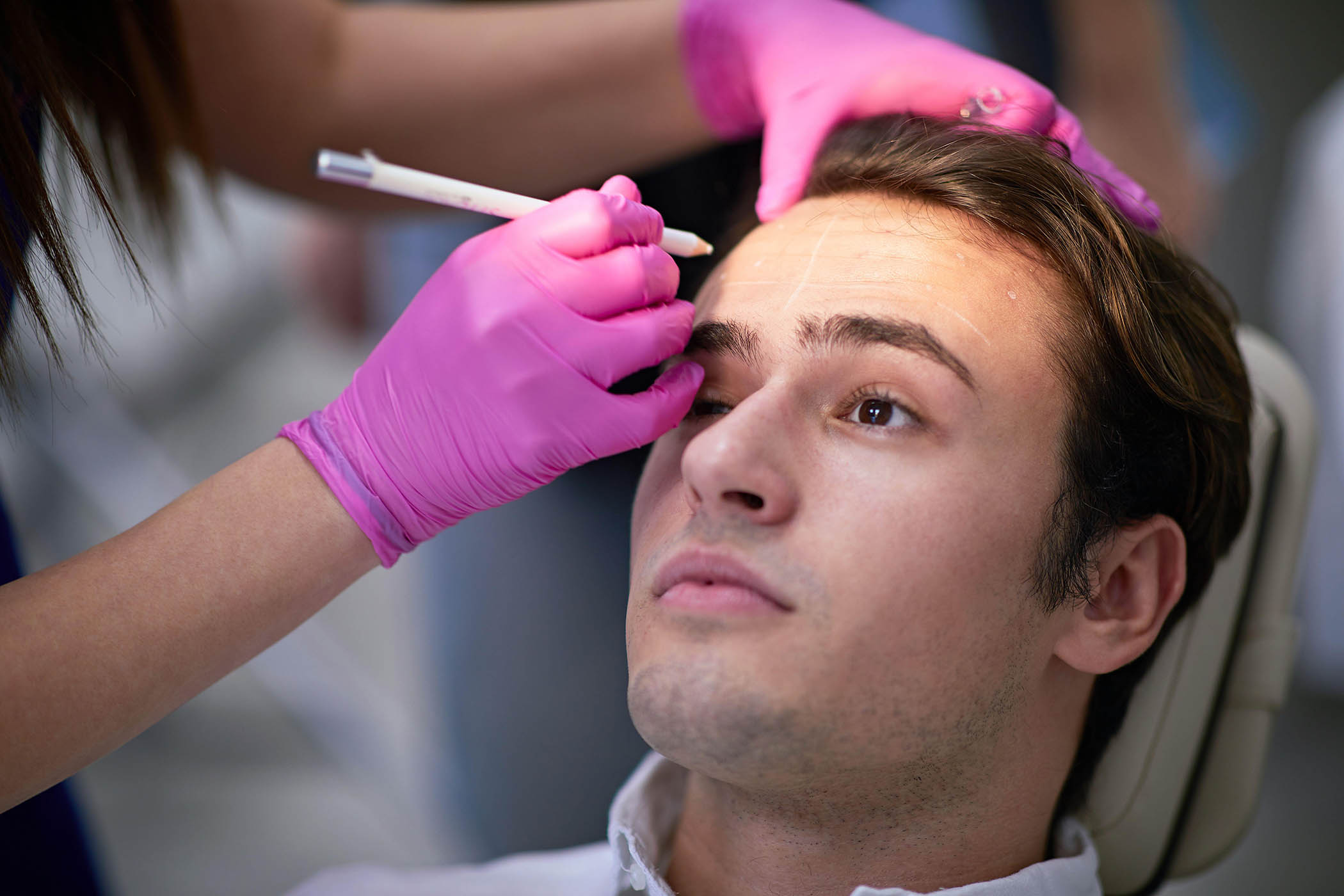
I liked The Beauty, sort of, but some of the things that made me laugh happened after I’d switched it off. In an awkward overlap between drama and reality, a press release I received later concerning a young American actor was promoting “the injectable skin treatment she has for her natural glow”. The show attempts to satirise our current cultural default to quick-fix treatments like GLP-1 weight loss drugs and cosmetic injectables. What it does more effectively, though, is link two eternal obsessions: beauty and death.
The fat of our loved ones is being harvested to improve the curve of a billionaire’s breast
The fat of our loved ones is being harvested to improve the curve of a billionaire’s breast
Last summer, an article in Dazed became the first beauty feature to give me nightmares. I’m not a huge nightmare-haver – I tend to enjoy the blank dreamless sleep of the innocent or the thick, which is why this recurring dream was particularly memorable. I suppose one beauty-inspired nightmare is fairly good going after decades of reading about vampire facials and literal piss masks, but still, unpleasant – this feature wormed its way into my subconscious through a wrinkle and pecked at my horrors gland in the night. It was called “How Cadavers are Fuelling the Beauty Revolution”. And last week, halfway through The Beauty, I read it again, scrolling with one eye closed. “From the cadaver heads that fill hotel ballrooms at pre-conference ‘filler labs’ to the decellularised fat now injected into celebrity cheeks,” it explained, “human remains underpin almost every 2025 aesthetics trend. Yet donors – and consumers – rarely realise it.”
It makes perfect sense. In order to practise procedures such as the new “undetectable” facelifts, plastic surgeons, who can’t risk fucking up a paying customer’s face, must operate on corpses. In death, laid out in a hotel ballroom in Pittsburgh, a few cold bodies suddenly appear hotter than ever. Elsewhere, “corporate types” (reported Business Insider recently) are paying hundreds of thousands of dollars to be injected with dead people’s fat to smooth out the edges of breast implants or fill out their faces or add arse post-Ozempic thinning. It comes from bodies donated for science – tissue banks collect abdominal fat cells, then the aesthetics company purchases that fat, screens it for diseases, purifies it and processes it. “By the end,” they say, “it looks like clumpy butter in a syringe.”
There are certain truths that, in pursuit of anti-ageing, we’re encouraged to forget. One is the imagery, of course, like that “clumpy butter”, but another, the most dramatic, is that by snipping off eyelid skin or freezing a laughter line we are not just trying to look younger: we’re attempting to defy death. Or to deny it altogether. So what does it mean when, all of a sudden, death itself swaggers into the room?
In that chilling Dazed feature, writer Ellen Atlanta interviews an ethics professor who worries those planning to donate their bodies in order to cure cancer might think twice were they to learn that in fact they’d be sold to train surgeons in nose jobs. She says consent forms must explicitly name cosmetic use in order to protect public trust. How would families feel if they discovered their loved ones’ faces were being used today to develop scarless facelifts, their fat harvested to improve the curve of a billionaire’s breast, or that after a slow death their aged mother had become a model of youth?
The Beauty and its accompanying fables offers two horrors simultaneously. One is the horror of seeing a body flayed open and reconstructing itself into something uncanny, and the other comes more quietly. It’s the dawning horror that we might… want this. That in a time of imposed dysmorphia we feel disgusted enough with our ageing selves that we’d contemplate a similar journey, martyring dead bodies for, like, a slightly tighter jawline. Sure, I’ve been having nightmares about it, but you don’t even need to be sleeping to enter this twilight terror, where we process corpses to avoid processing death.
Related articles:
Image: Philippe Antonello/FX
Newsletters
Choose the newsletters you want to receive
View more
For information about how The Observer protects your data, read our Privacy Policy