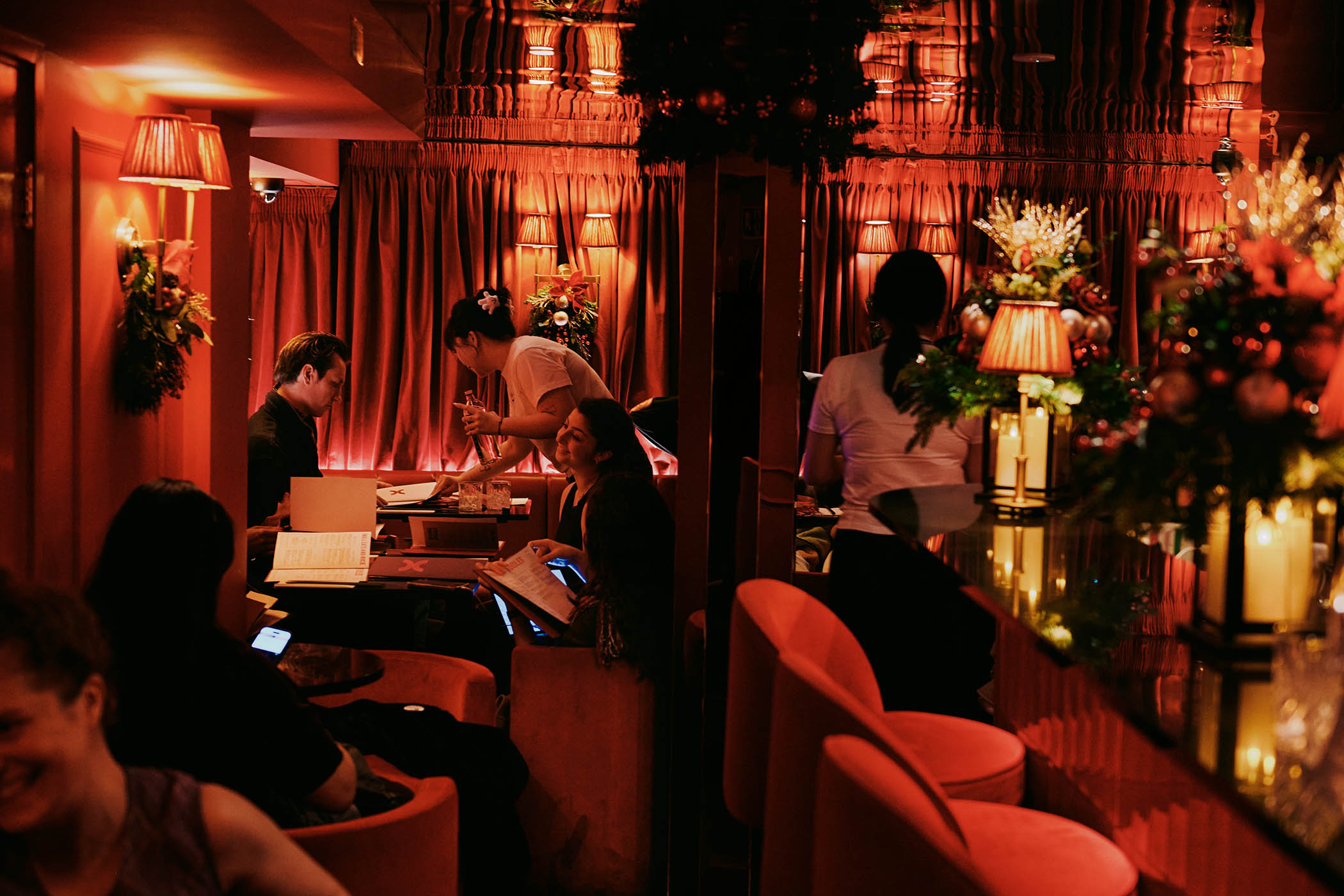


The takeaway and restaurant lights along Liverpool’s Bold Street stay on long after the clubs and shops close, keeping the neighbourhood fed into the early hours. On Manchester’s “curry mile”, students, night-shift workers and families squeeze around neon-lit tables at 10pm, digging into boxes of noodles and rice. Earlier this year, I was in Newcastle for work. When the project wrapped, we went out to celebrate. By 11pm people were only just starting their nights, and the staff apologised that our hotel bar would close at 4am, as if that were early.
So why does London feel so different? In the capital, hospitality still chases the after-work crowd with natural wine and small plates, and the last-orders bell rings by midnight. The slow decline of the city’s nightlife feels quiet and sad. We are spoiled for choice when it comes to places to go out, yet so many shut before the night has even begun.
“The hospitality sector continues to face immense pressure, and the night-time economy is bearing the brunt,” says Kate Nicholls, chair of UKHospitality. “Clubs were the first to close and the last to reopen during the pandemic, and they’ve since faced a steep uphill battle.” According to the latest figures from GGA, a research consultancy for food and drinks businesses, nightclub closures have risen by 8% over the past two years, while restaurant closures have fallen by 2%. Bars and bar restaurants are among the few sectors still growing. Only 27% of the 5,000 people surveyed now go out after 8pm, down 8 performance points since 2022, showing that people are still heading out, just earlier in the evening.
“People are spending and drinking less, going out earlier and heading home sooner, especially 18-30-year-olds,” says Jo May, from Soho Business Alliance, which supports local traders and creatives. “That’s changed demand for late-night options. Shift workers used to grab dinner or a drink after work, but now many venues close before they even clock off.”
Late-night Soho now draws a diverse crowd: partygoers, sober diners, medical and emergency staff, transport workers, cleaners, artists, and night owls. What was once the central heartbeat of after-hours London has struggled, and that shift has been tough to absorb. “It’s incredibly hard for late-night venues to pay staff meaningful wages while balancing the character of the area that locals and tourists want,” May explains. “Costs are rising faster than revenues. Fridays used to be the big night out, but many offices are empty, so the West End is quieter than it used to be. This is a significant cultural shift.”
Business rates, VAT, licensing and outdated restrictions, such as designated Cumulative Impact Zones, have become another choke-hold. “The tax system is holding back our sector from capitalising on this demand,” says Nicholls. “We’re urging the government to lower business rates, fix national insurance contributions and cut VAT to give the sector a fighting chance. Hospitality is ready to drive growth and recovery, but we need a fairer tax system to do so.”
London can still bounce back, and late-night venues are key for shift workers and creatives looking for a sense of belonging and community. “Late-night spaces are vital for mental health, community cohesion and local jobs,” May says. “They’re already cut out of normal shopping and banking hours, so protecting their options for food and socialising is so important.”
Related articles:
NOODLE AND BEER
London’s late-night scene may have thinned in recent years, but Chinatown remains a pocket of life after midnight. Defying the industry trend, Noodle and Beer opened its second branch here in March 2025. Doors stay open until 4am in order to serve post-shift restaurant staff, security teams, taxi drivers and night owls in search of solace and a cooked meal. “After midnight, the atmosphere feels a bit more spontaneous, in a good way,” says night-shift manager Guoyujie Li, also known as Eugene. “Late-night diners tend to be talkative and open. They love sharing stories with us, which makes the shift enjoyable, and some guests have become more like friends.”
Newsletters
Choose the newsletters you want to receive
View more
For information about how The Observer protects your data, read our Privacy Policy
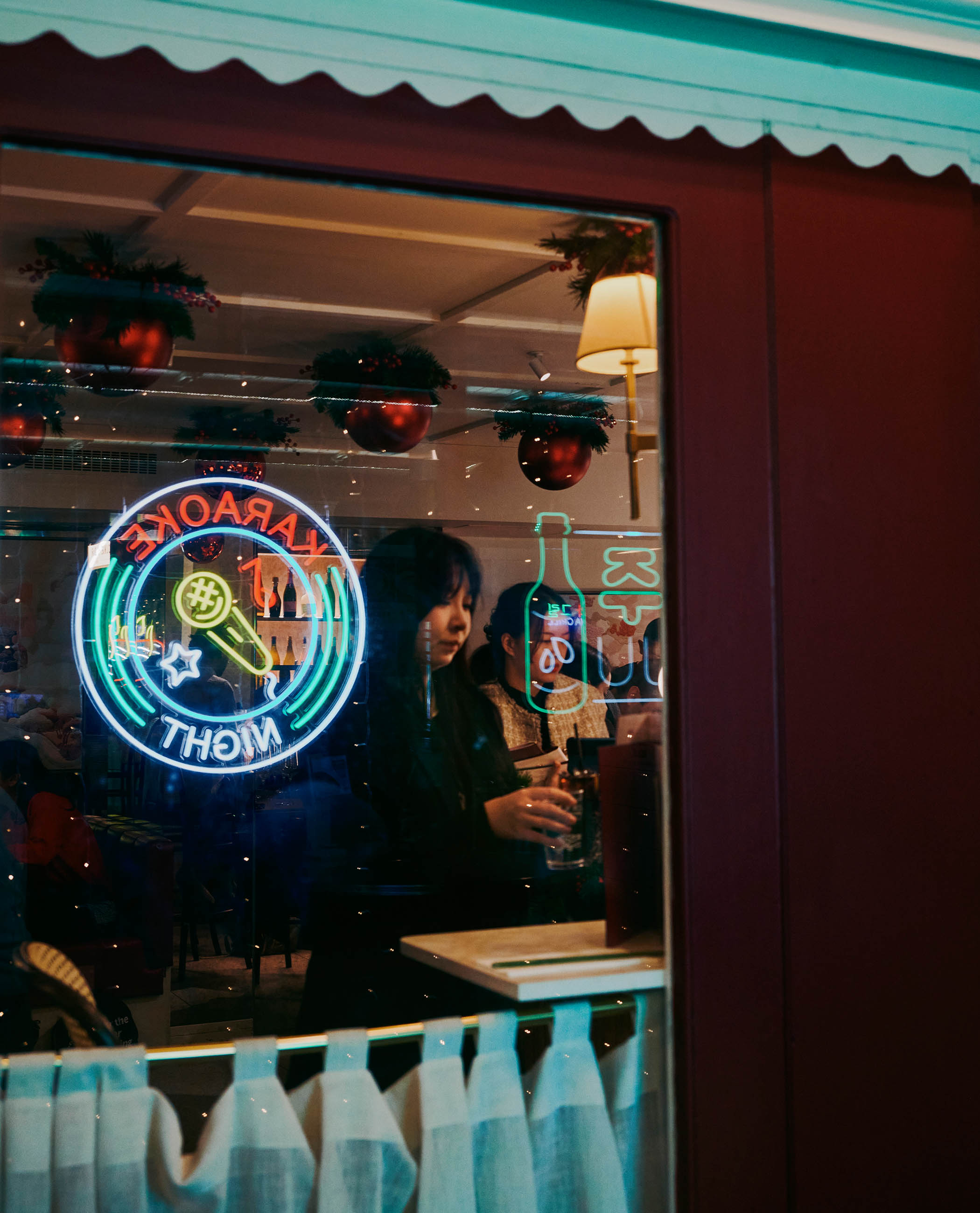
A glow in the dark: ‘After midnight, the atmosphere feels a bit more spontaneous, in a good way’
The team rotates shifts during the night to ensure everyone stays alert and comfortable. “Everyone knows how to support one another and what to look out for during each shift,” Li explains. “Having a strong, united team is the most important part of making night work enjoyable and sustainable.”
There are two peak times, before 2am and after 3am. During those hours, there’s often a long queue outside. With safety in mind, Noodle and Beer employs a night security guard. The restaurant receives fresh produce deliveries at about 10pm, so there’s no dip in the quality of the dishes.
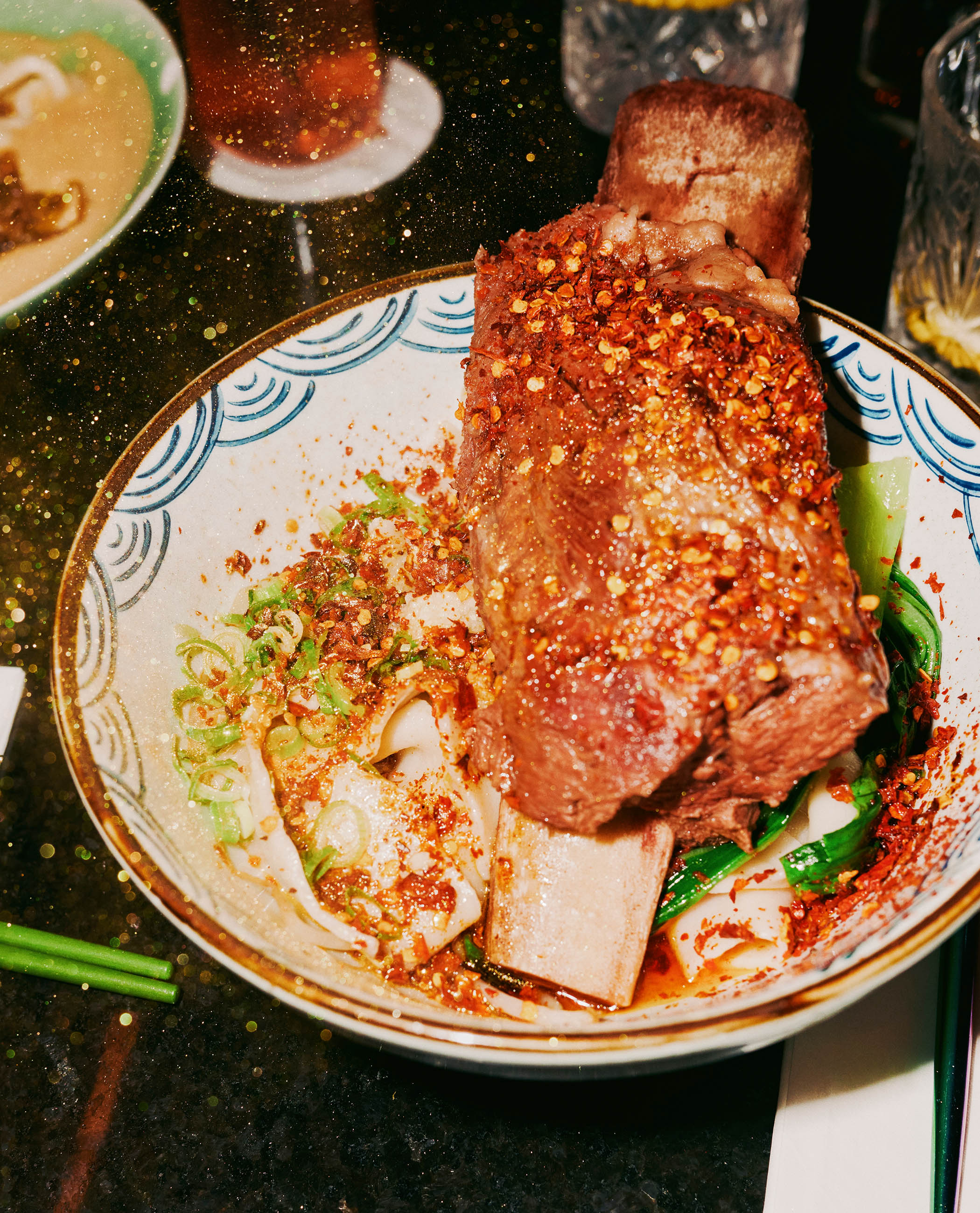
Go big or go home: Noodle and Beer’s super king beef rib blanket noodles
There’s a special sense of community after dark. “After work, social gatherings or events, many people naturally find their way here,” Li explains. “That’s why it’s so important to have restaurants that stay open late: to give people more choices and keep the neighbourhood alive with energy. Late-night dining brings a sense of warmth and continuity to Chinatown, keeping its spirit glowing even after midnight.”
BAR ITALIA
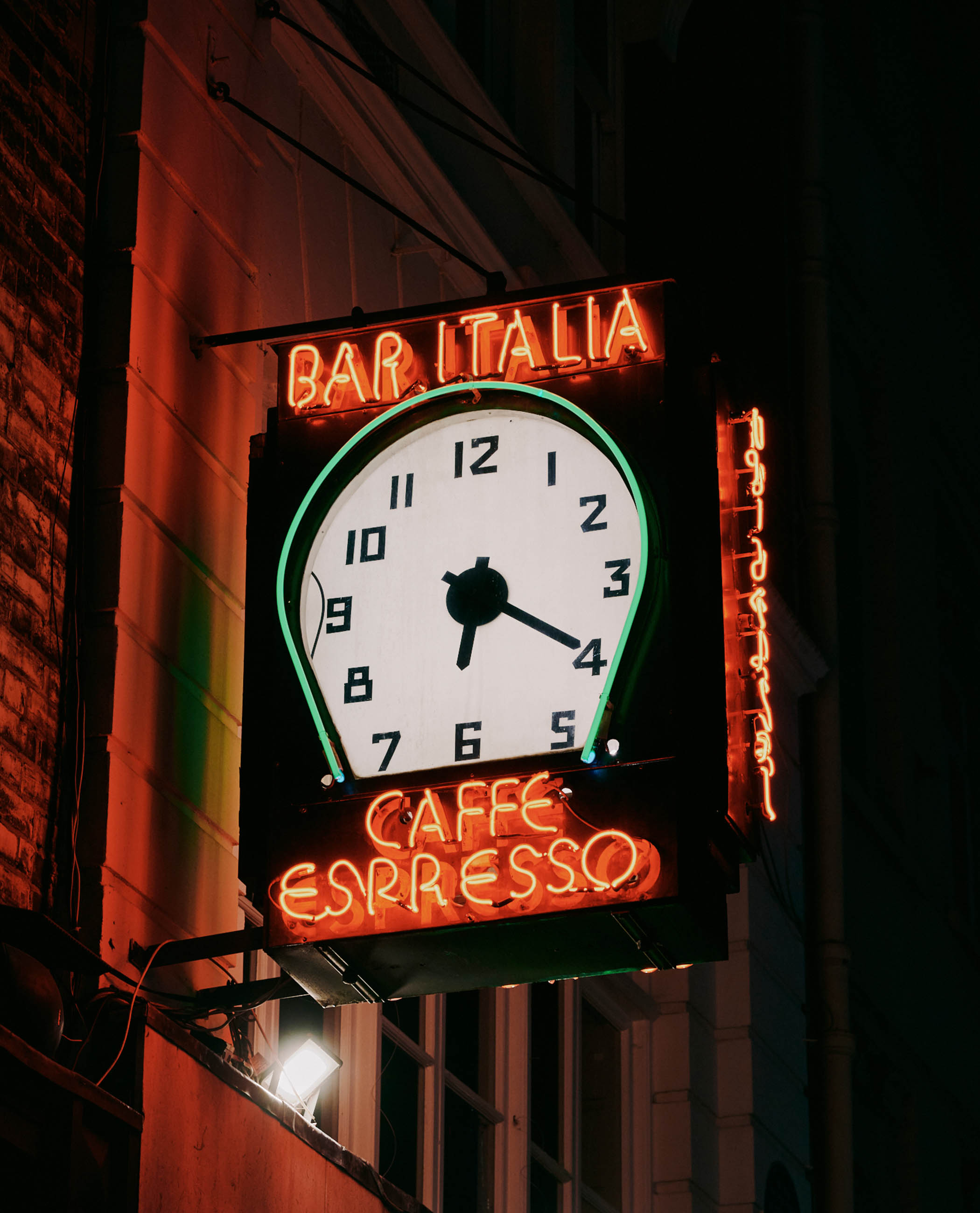
Bar Italia’s red-and-green neon clock glows over Frith Street until 4am, where regulars smoke, drink and chat outside just as they have done since Lou and Caterina Polledri opened it in 1949. Now run by their grandchildren – Luigi, Veronica and Antonio – the café remains a Soho landmark. Few places capture late-night London in quite the same way.
Inside, little has changed. It’s a long, narrow room with terrazzo floors, Italian flags and walls covered in old photos – and it’s still very much a Polledri business. “There’s always a member of the family on shift,” says Antonio. “We run a tight ship. Our security knows everyone. Soho’s full of characters, but pickpockets are a problem these days.”
Antonio joined in the early 1980s, when Soho was still filled with sex shops and bookmakers. “It was easy come, easy go then,” he says. “I’ve met everyone: David Bowie, Mick Jagger, Tom Hardy, Rihanna, Kylie Minogue, Suggs... Floyd Mayweather wanted spaghetti bolognese, but he came in a big Rolls Royce. People realised and swarmed him. He ordered the pasta, ate it in the car, and did it for two nights running.”
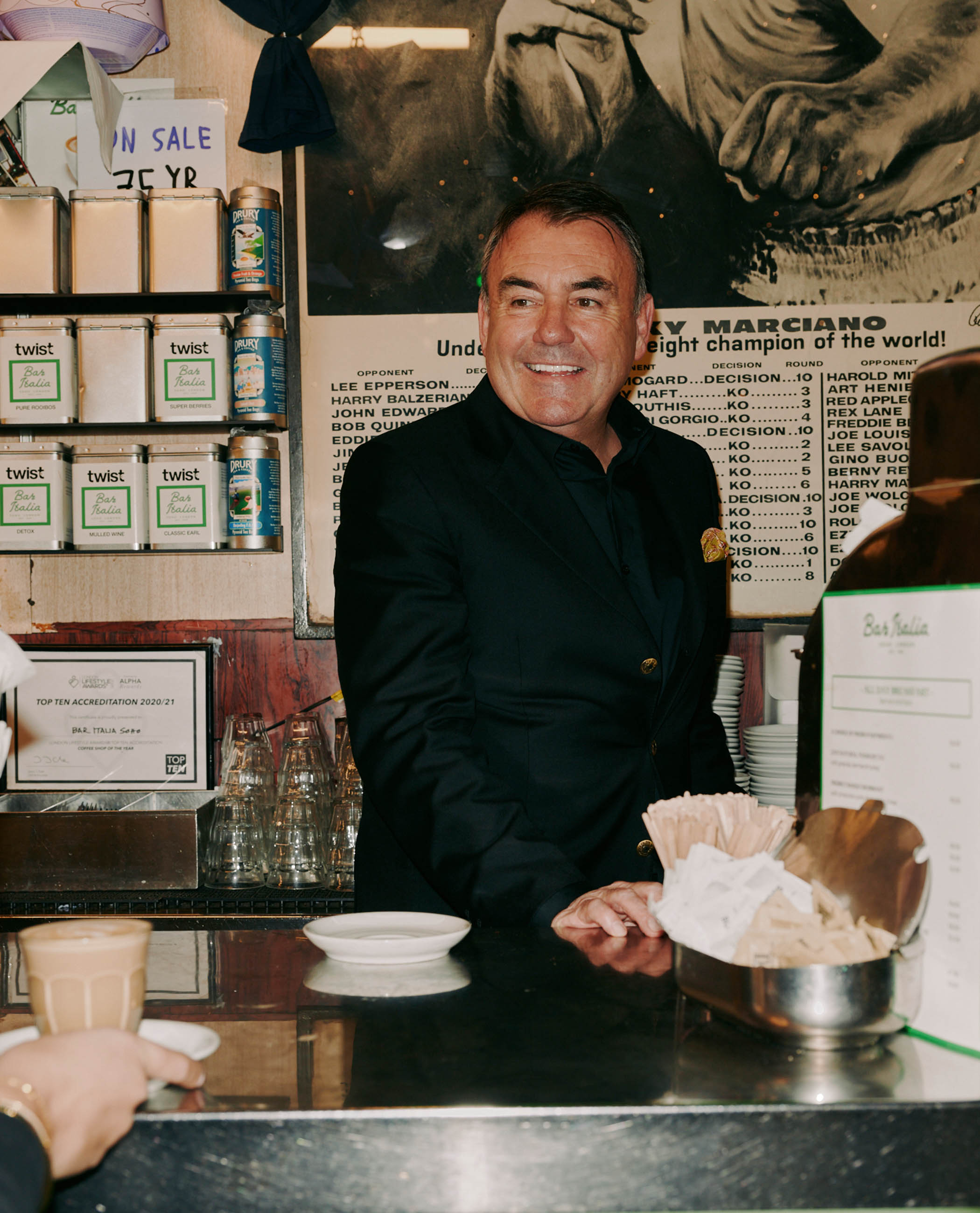
‘After a gig or show, people don’t want to go home. They come in for coffee, pasta or cannoli’: Antonio Polledri
Antonio doesn’t work late much these days, calling it a young person’s game, but says the night shift is still the heartbeat of Bar Italia. “We’re opposite Ronnie Scott’s and right in theatreland. After a gig or show, people don’t want to go home. They come in for coffee, pasta or cannoli. It’s always alive, colourful and electric – that’s what makes Soho.” He adds that the opening of the Elizabeth Line has brought a huge influx of people. “Weekends are astronomical.”
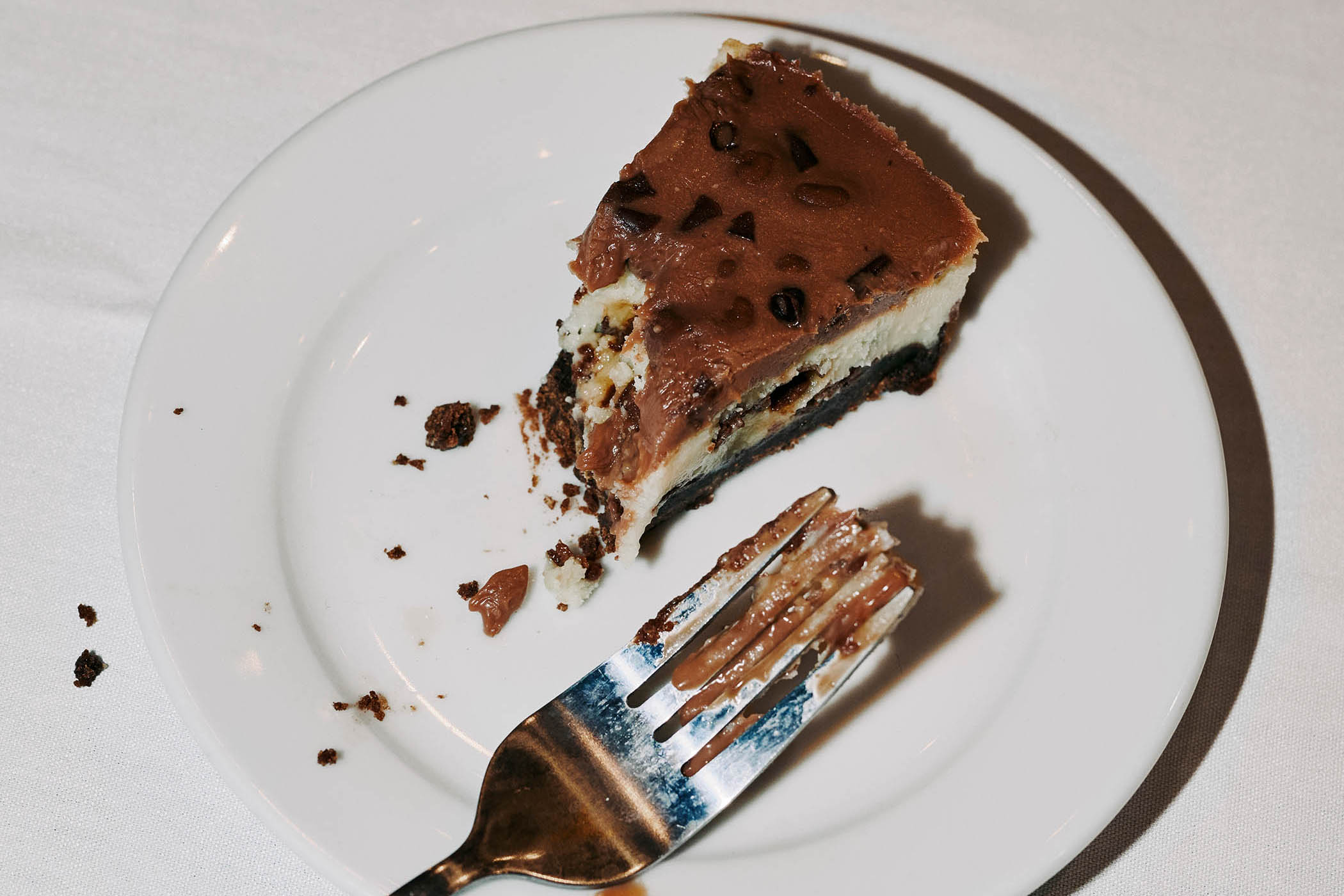
Late-night fix: chocolate cheesecake
Staffing has been tougher since Brexit and Covid, but the Polledris have always kept to their father’s philosophy: never close until the last customer leaves. “The night-time economy is our success. People can sit, stand or take-away. It’s relaxed and open to everyone.”
ŞÖMINE
By day, Gurbet Bozdere works as a biomedical scientist; by night she keeps her family’s Turkish restaurant, Şömine in Dalston, east London, running smoothly. Her father, now in his 60s, has owned the place since 2006, and Bozdere handles everything behind the scenes.
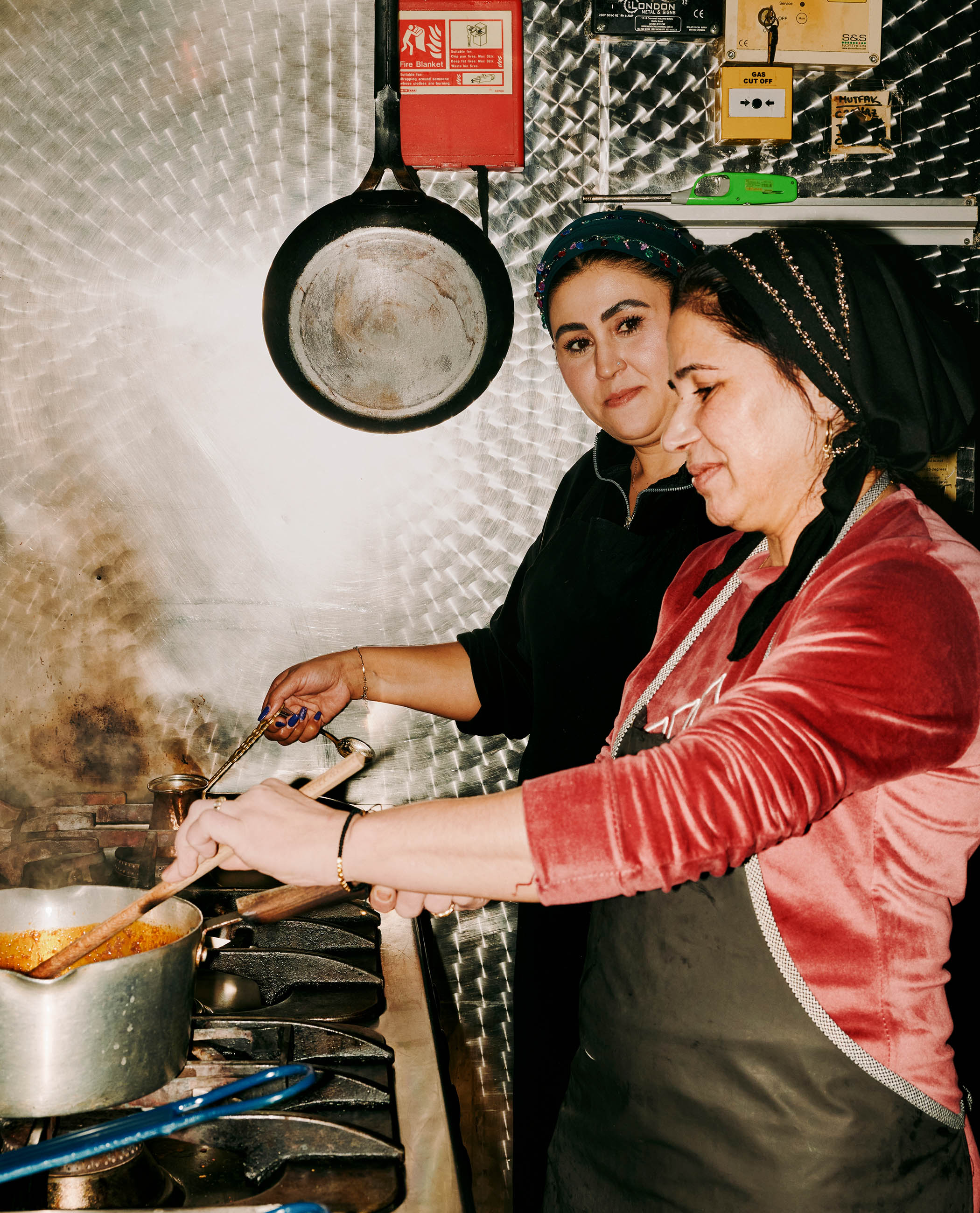
“Before Covid, we were open until 5am on weekends,” she says. “We’ve got a 24-hour licence, but things changed after Covid when a lot of bars and clubs nearby shut down. We don’t do the mad hours we used to, but we’re still open until 1.30am.”
Their late-night crowd is a mix of cab drivers, chefs finishing shifts and people ending a night out, plus the delivery drivers and cyclists who come in after serving everyone else. Bozdere keeps herself energised with chocolate, hot drinks or a quick dance break downstairs. “Sometimes customers join in,” she laughs. “They’ll say: ‘Oh, God, she’s dancing again.’”
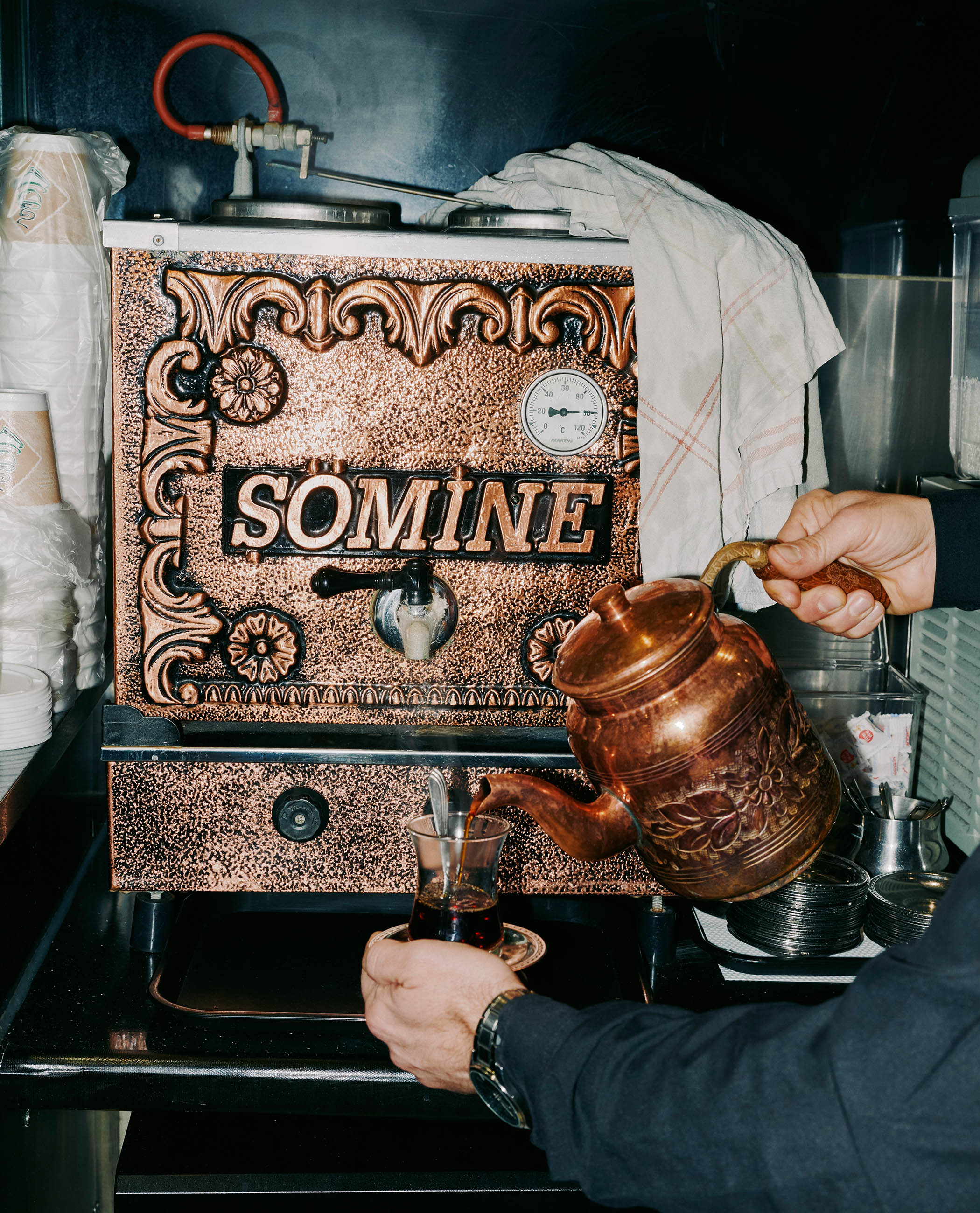
Elixer of life: a reviving cup of Turkish tea
Şömine runs on a tightknit team of 12. The chefs have been there for years, serving lentil soup, manti and Turkish tea, as they did two decades ago. “Dalston’s changed, but we’ve stuck to big portions and good quality,” Bozdere says. “People notice if the chef is away. They’ll say the soup doesn’t taste the same.”
For Bozdere, the best part of the night shift is being a refuge for the community and knowing regulars’ orders before they ask. “We take pride in being the place people choose,” she says. “It makes me happy that people know and love us, even with so much choice on a busy high street.”
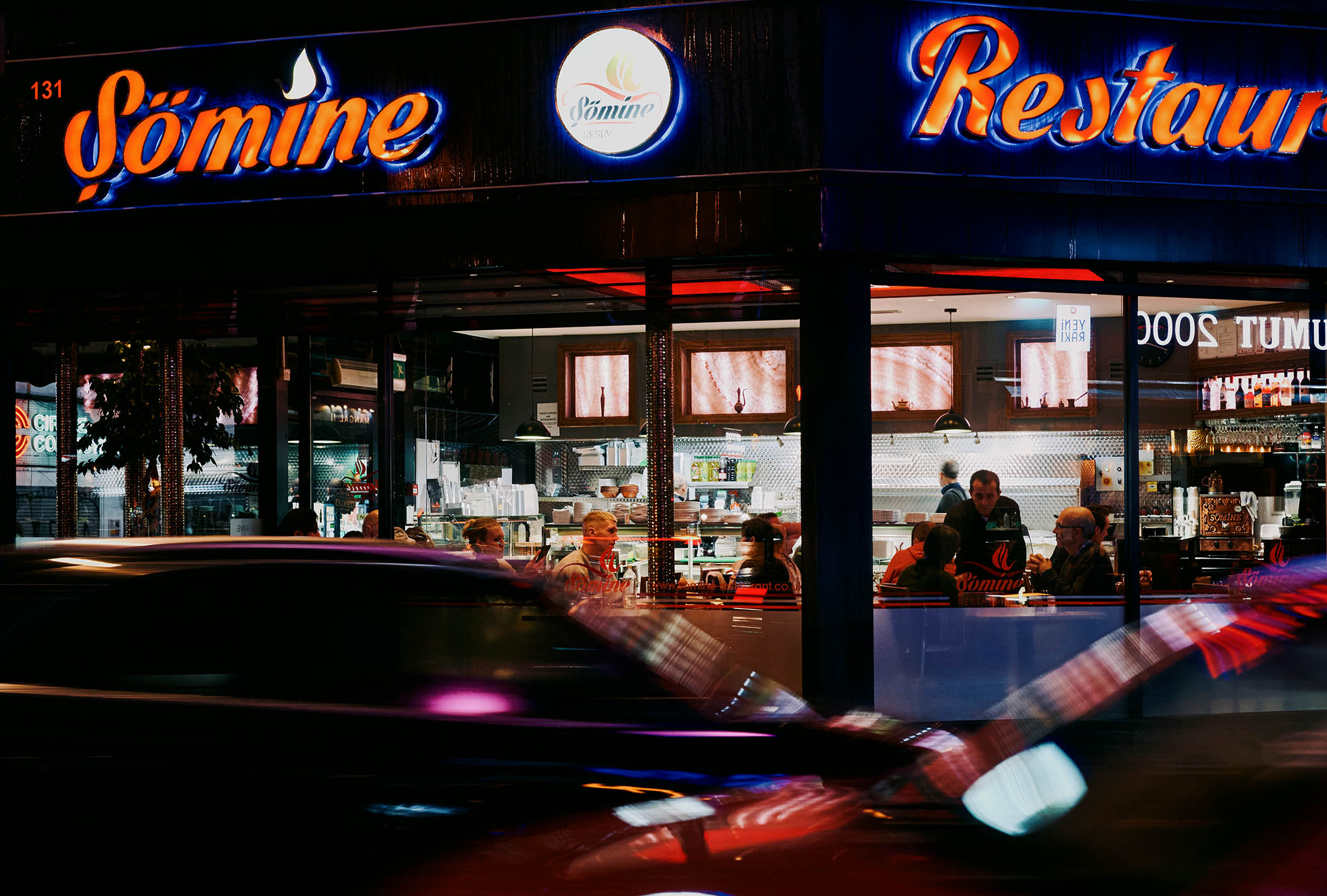
Her dad has no plans to retire, but she knows she’ll take over one day. “Şömine is in my DNA,” she says. “It’s my family’s baby, and I have a responsibility to keep it going.”