
In Karen McCarthy Woolf’s Unsafe, nature poetry is brought firmly into the 21st century – less kicking and screaming than hissing and clawing, like the feral cats that stalk the grubby backstreets of this brave and unsettling long poem. Nature poets sometimes have a tendency to depict place as if viewed through rose-tinted spectacles, but McCarthy Woolf’s gaze is fearless. She focuses on forgotten damp corners to expose a gritty, glaring truth.
Unsafe is not a peaceful read. Its sounds are blaring sirens and squealing balloons that snag in hedges, not bubbling streams and sweet birdsong. McCarthy Woolf’s debut, An Aviary of Small Birds (2014), was an elegy to a stillborn son, in which “love is an aviary of small birds and I must learn to leave the door ajar”. Reflecting on climatic disasters and cattle farming, enclosure and ecological fragility, Unsafe is closer in subject matter to her second collection, Seasonal Disturbances (2017), though it is written with newfound precision and drive.
In the shadow of “multi-storey, glassy cathedrals” and security gates daubed in anti-climb paint, Unsafe captures what McCarthy Woolf calls a “corporate pastoral”. As we wind through the tangle of crime-scene tape or barbed wire where bluebells once grew, beyond shiny cars and skyscrapers to a place “landscaped to rust, liverish / as dogs’ piss in summer’s drought”, we eventually settle on saggy mattresses – and are met with a searing meditation on economic, social and racial “disparity”. Throughout there is a subtly experimental use of pictures, palimpsest, and punctuation blown up on the page in the manner of an eye-catching street poster.
The genre that the poet Kathleen Jamie once argued had been “colonised by middle-class white men” is ready to be reclaimed. Last year, McCarthy Woolf co-edited with Mona Arshi the groundbreaking anthology Nature Matters: Vital Poems from the Global Majority, billed as the first “single volume dedicated to the exploration of nature poetry by Black, Asian and global-majority poets in the UK”. As she explains in the book’s introduction, “nature matters everywhere and for everyone and everything” – it comprises the downtrodden and the desolate, the uncomfortable and the unsafe.
McCarthy Woolf’s own poetry similarly refuses to tread safely in subject matter, examining gentrification, gun crime, protest, police brutality, inequality and genocide. At the same time, there is a hint of humour in the way she creates a curious link between trees and tattoos: both become totems of “territorial” resistance, “a way to reclaim agency” over personhood and planet, in response to “a larger, contemporary land grab”. (Some tattoos simply “look shit”, she admits.)
McCarthy’s book opens with a quote from John Clare, an ironic address to “O England, boasted land of liberty”. Like Clare, she believes in the right to roam, and, in this modern and bracingly political book, she tests – in fragmented yet freeflowing verse – the bounds of both thought and terrain.
Extract from Unsafe
This is how you learn to stay alive
– sunlight streaming
through branches –
all young girls must remain
alert. In the holly thicket, the Princess
from Frozen is deflated on a punctured balloon
other debris includes a red-and-white remnant
of crime-scene tape.
Unsafe by Karen McCarthy Woolf is published by Bloomsbury (£12.99). Order a copy from The Observer Shop for £11.69. Delivery charges may apply
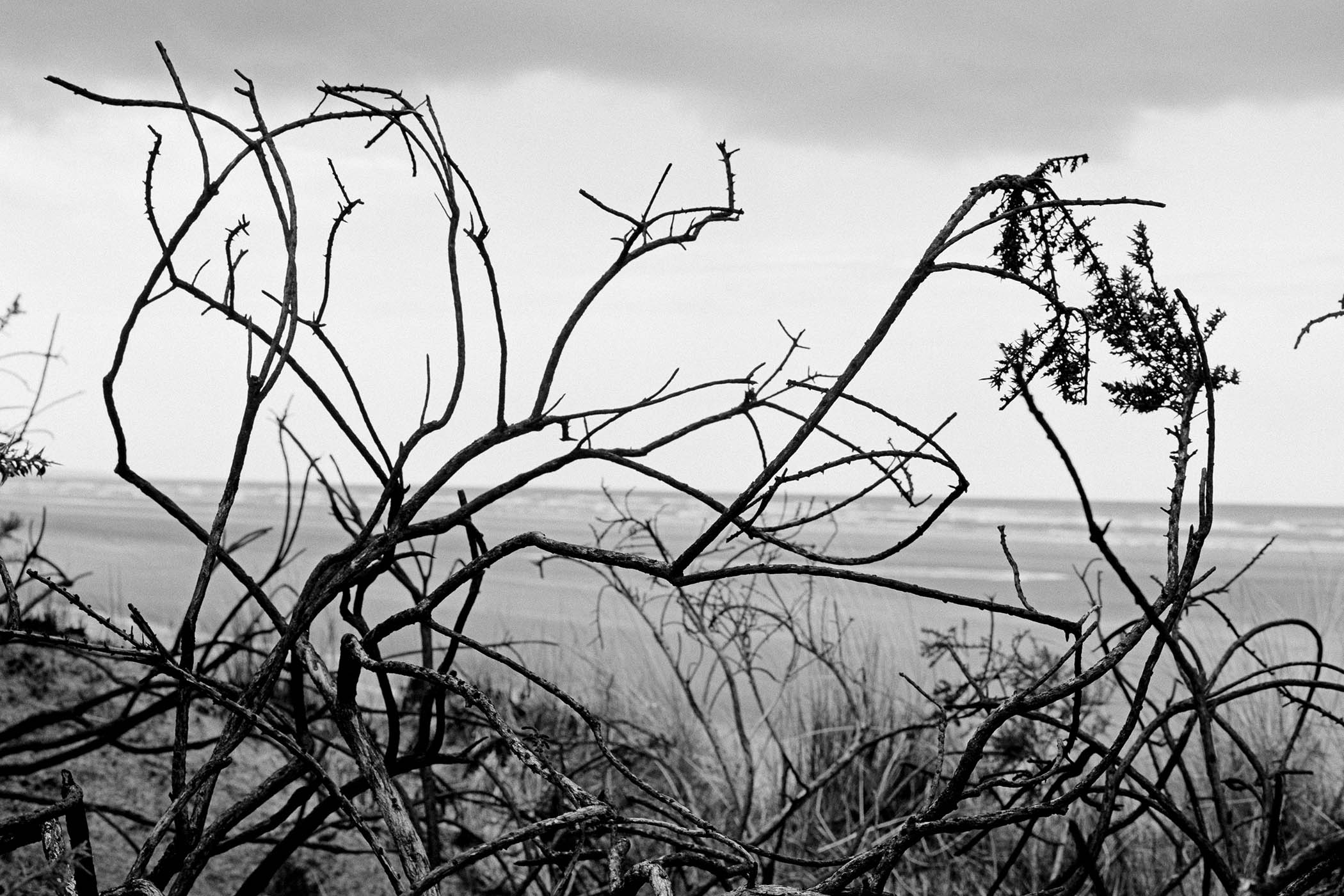
Photography by Kim Cunningham/Millennium Images
Newsletters
Choose the newsletters you want to receive
View more
For information about how The Observer protects your data, read our Privacy Policy
Related articles: