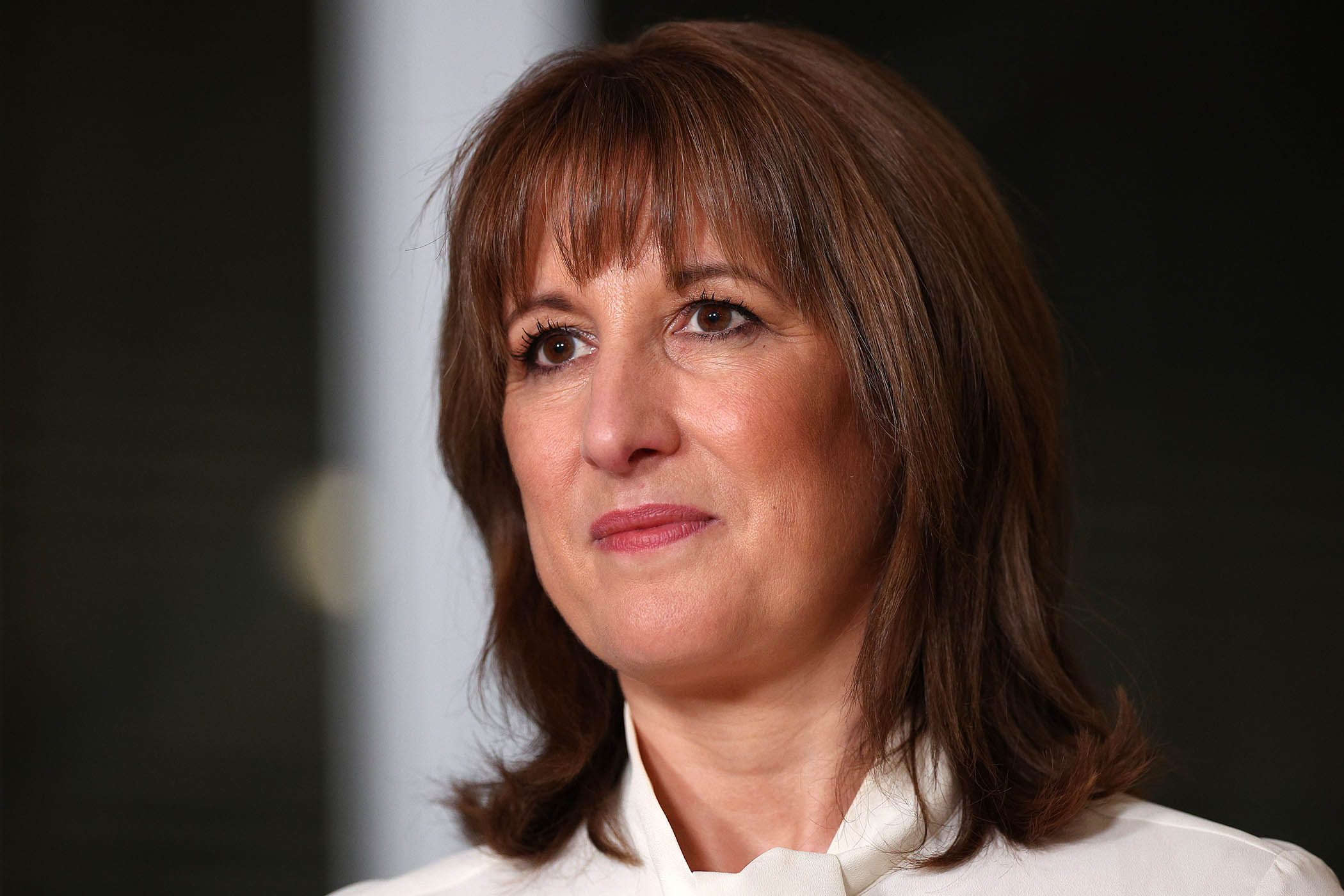
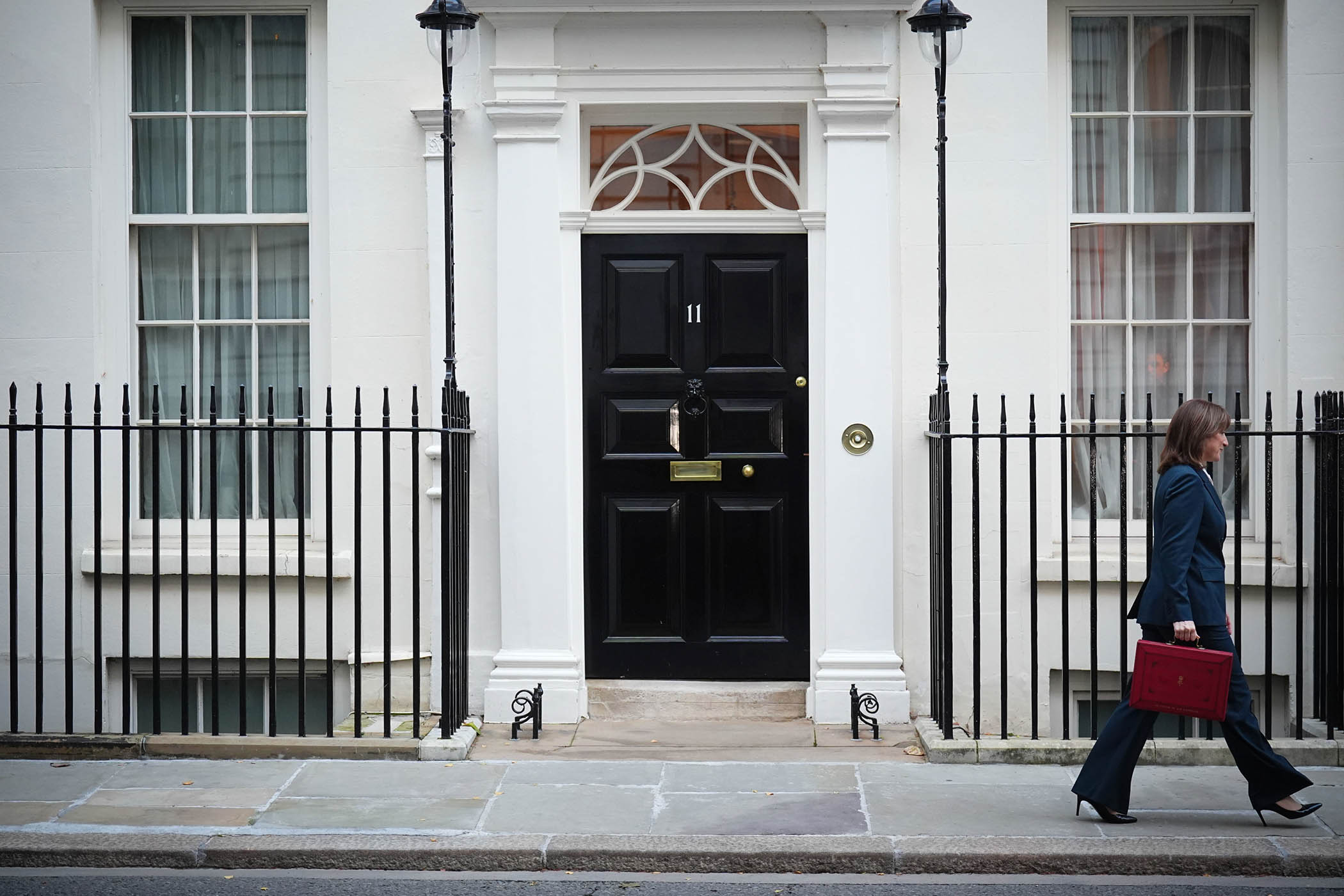
A horse called Fiscal Drag was unplaced in a race at the Aqueduct race track in New York last Saturday. But the economic concept of fiscal drag featured strongly in chancellor Rachel Reeves’s second budget earlier in the week.
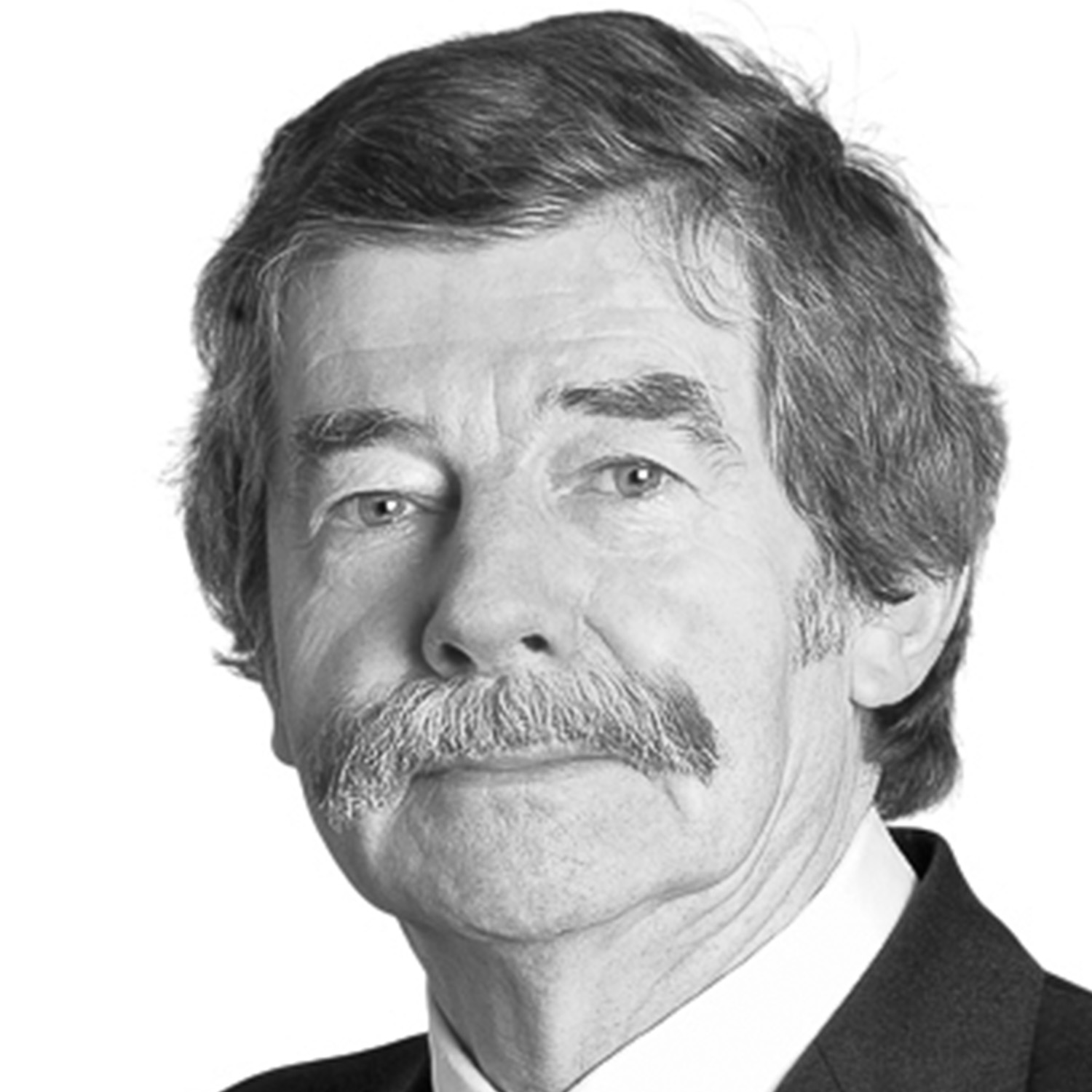
To explain: fiscal drag is a process by which people are pulled into higher tax brackets when their incomes rise to match increases in inflation. It was to counteract this tendency – “bracket creep” – that the Labour MPs Jeff Rooker and Audrey Wise tabled an amendment to the 1977 Finance Act, making it a “statutory duty” to increase personal allowances and thresholds by at least the rate of inflation each year.
Nigel Lawson, as chancellor, supported this venture, which became known as the Rooker-Wise-Lawson amendment. Manifestly, the idea was to be honest about what was going on, and compensate taxpayers for losses to income unless there was this adjustment.
Since then, the spirit of that amendment has frequently been honoured more in the breach than the observance. The recent budget was a key example.
After airing the possibility of introducing the first increase in the income tax rate since the one that went with Denis Healey’s budget in 1977, Reeves got cold feet and opted to place her bets on fiscal drag.
Related articles:
The concern was that raising income tax would have constituted a breach of the 2024 Labour election manifesto. But wasn’t there also a promise not to resort to fiscal drag?
The way the chancellor and her political advisers handled the approach to the budget has been embarrassing, to say the least. No: when the OBR leaks, it leaks in style. Thanks to “a technical hitch”, the budget was leaked by mistake an hour in advance, so the estimable Richard Hughes, until last week director of the Office for Budget Responsibility (OBR), resigned. But the leaks appear not to have come from the Treasury nor the OBR but from her special advisers (Spads).
The Labour chancellor Hugh Dalton resigned in 1947 over a minor indiscretion: he confided details about new taxes to a trusted journalist; and to his naive surprise, this news was transmitted to one of the three London evening papers of the time and printed immediately.
Reeves claimed she had received new information from the OBR when it had been known for weeks
Leaks from the Spads were more trial balloons than leaks. And the outrage about an income tax rise caused panic in the ranks. Reeves claimed she had received new information from the OBR, when it had been known for weeks.
As I have warned several times, there may be a need to raise taxes to finance the spendng demands of an ageing population; but now is not the time, when the economy is so lacklustre. Sure enough, the Organisation for Economic Co-operation and Development (OECD) pointed out last week that with her tax-raising budget, a chancellor putatively aiming for growth has produced a budget which will achieve the opposite, reducing demand in the economy. She should be aiming to balance the economy, not the budget.
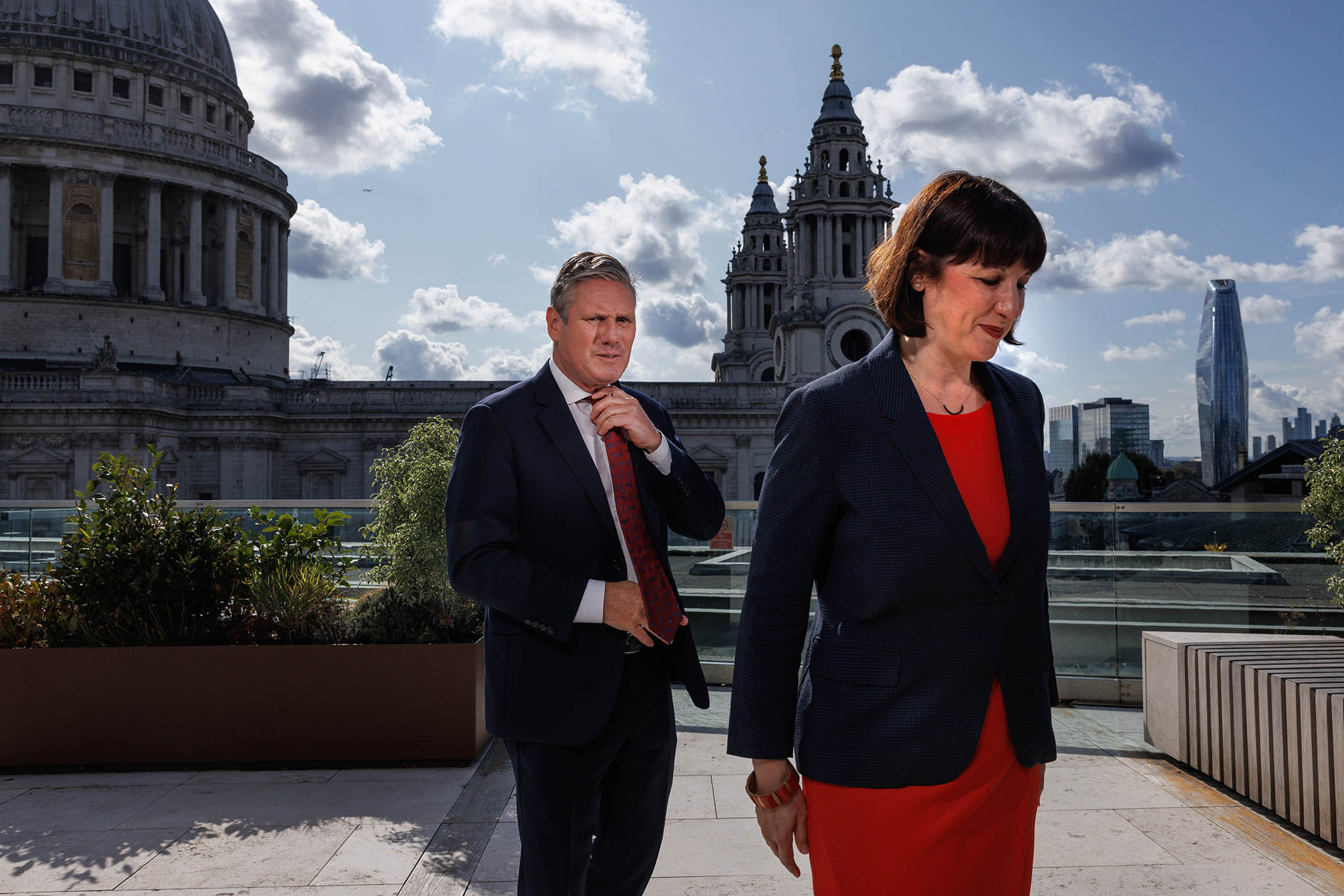
Which brings us to yet another own goal. The prime minister needed an economic adviser, and now, hey presto, he has one in the shape of Minouche Shafik, an experienced International Monetary Fund and Bank of England economist, is now economic adviser to the PM. n pre-budget meetings, Shafik advocated re-entry to the EU customs union to generate growth. This was turned down flat; Sir Keir Starmer said it was one of the Labour manifesto’s red lines not to be crossed. Come off it, you and your chancellor have ignored the manifesto commitment about fiscal drag, thereby militating against your growth objectives. Now you are ignoring the sound advice of your adviser. This is not statesmanship. This is pathetic.
Photograph by Adrian Dennis/Pool Photo via AP