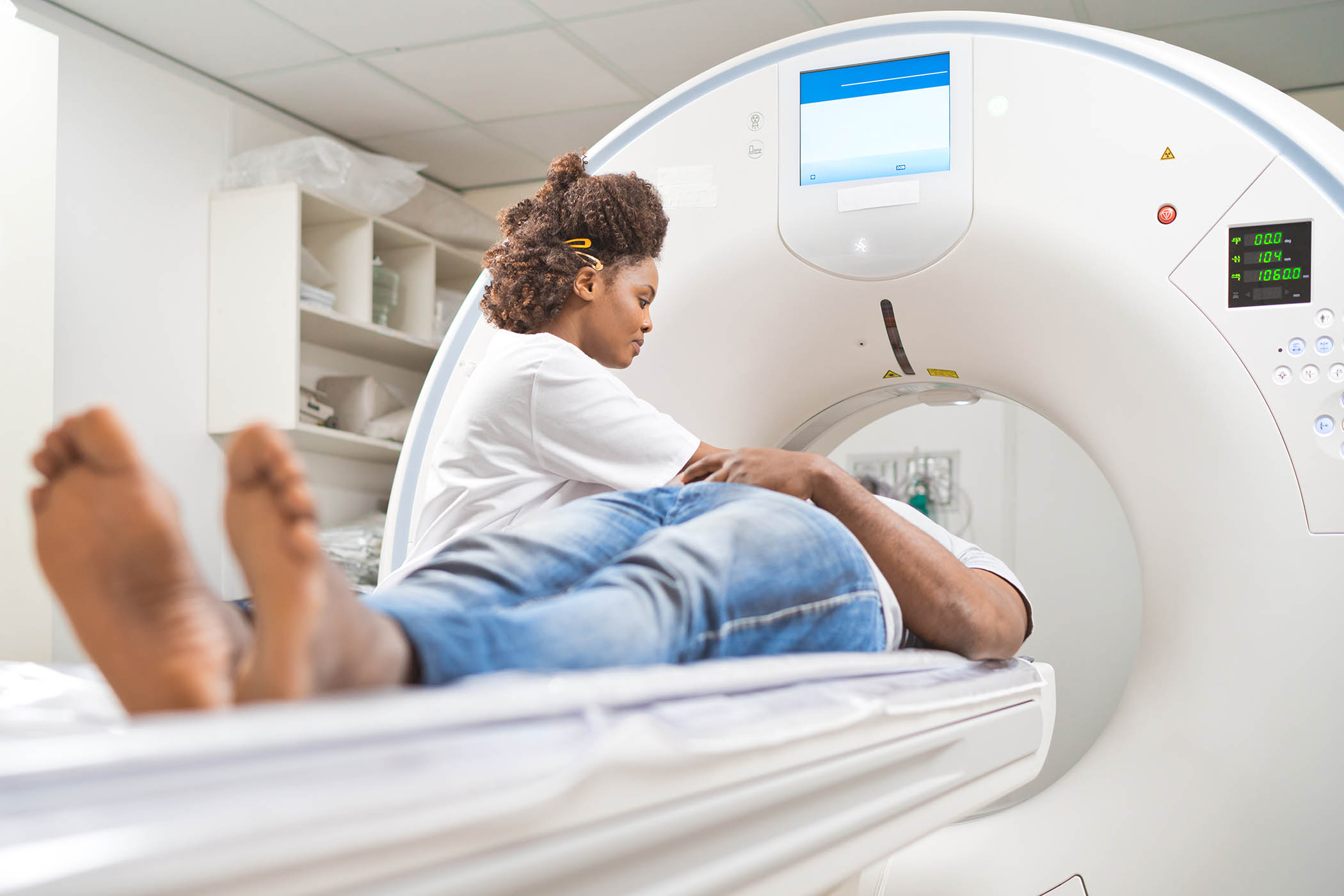

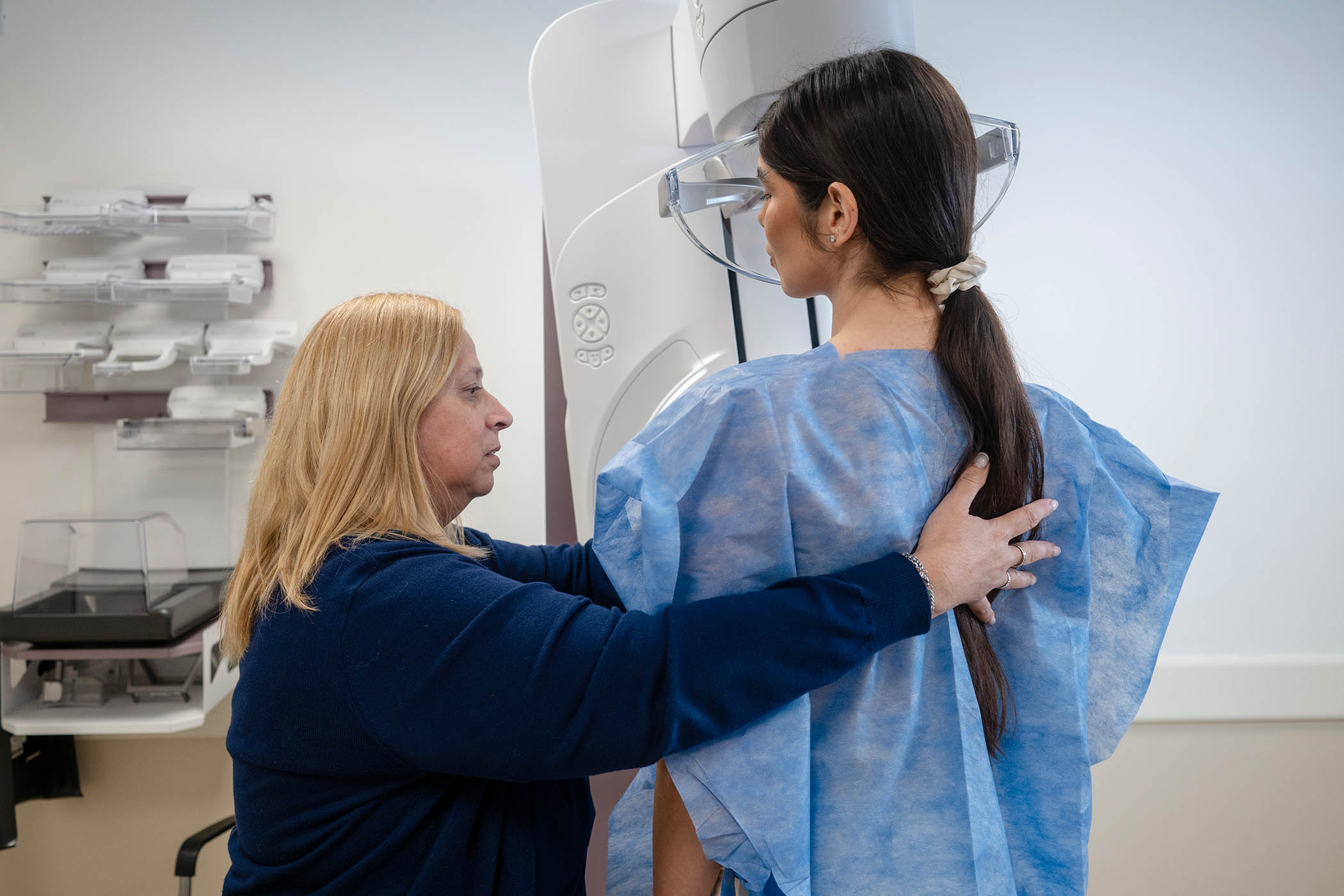

Cancer patients are to be helped to stay in their jobs and avoid losing their income during often gruelling treatments for the disease.
Ministers will next week launch a partnership with employers as part of a new national cancer plan for the NHS in England, which was published yesterday.
The partnership aims to help the 830,000 working-age people with cancer.
One in three people with cancer stop working and patients on average miss 75 days of work, taking a financial hit at the same time as dealing with the turmoil of diagnosis and treatment. About 8% of patients cut their hours or take unpaid leave.
Statutory sick pay is £118.75 a week for up to 28 weeks, and although employees with cancer are classed as disabled, some still face discrimination from employers.
The employer collaborative partnership aims to connect charities with companies to share best practice and training to help employees through treatment and recovery.
Wes Streeting, the health secretary, said the plan would help patients focus on getting better. “The last thing someone should have to worry about when diagnosed with cancer is if they can still pay the bills,” he said.
“But right now too many people are being forced out of their jobs and losing thousands of pounds, not because of their illness but because the support simply is not there. That is not fair and good enough.”
Related articles:
Pat McFadden, the work and pensions secretary, said the plan would be “good for patients, good for businesses, and good for our economy”.
Analysis by Cancer Research UK last year found that the total financial impact of people living with cancer, particularly the inability to work, can cost the country as much as £1.7bn a year, while missing work to care for someone with cancer costs up to £4.5bn.
Newsletters
Choose the newsletters you want to receive
View more
For information about how The Observer protects your data, read our Privacy Policy
Gemma Peters, chief executive of Macmillan Cancer Support, said that continuing in a routine was often vital for people’s wellbeing.
The national cancer plan is the first for more than 10 years. About 385,000 people are given a cancer diagnosis in the UK each year, and about 168,000 people die from the disease.
Although survival rates have increased dramatically for some cancers over the past 50 years, and nearly 50% of patients live at least 10 years after diagnosis, the UK has been lagging behind similar countries. For example, only 59.3% of women with ovarian cancer in England received chemotherapy, compared with 75% in areas of Canada, a study found last year.
Health experts believe patients should receive a diagnosis earlier, when cancers are easier to treat. However, GPs can be reluctant to make referrals because the NHS has limited capacity for some diagnostic technology, and a shortage of radiologists and pathologists. Some treatment options are also limited.
The Department of Health and Social Care put out progress reports after the last plan was published in 2015, but they stopped after two years. The National Cancer Action Team, which was intended help improve cancer care, was scrapped in 2012.
The new plan is expected to focus on regional inequalities, offering more medical training places in rural and coastal areas, better access to cancer diagnostic technology, including AI and robot-assisted care for lung cancer patients, and more funding for the regional Cancer Alliances, which coordinate cancer care.
Photograph Getty Images