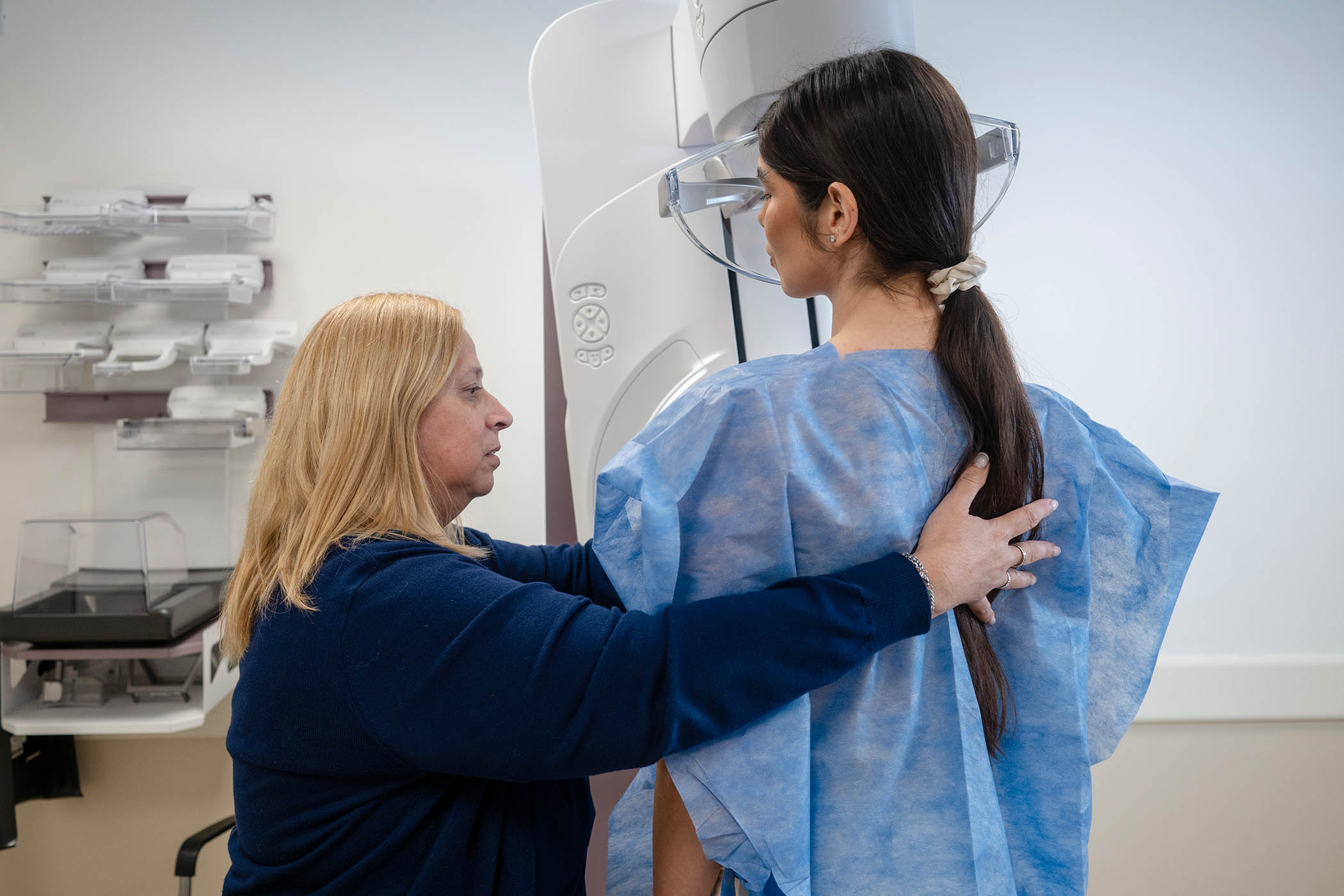
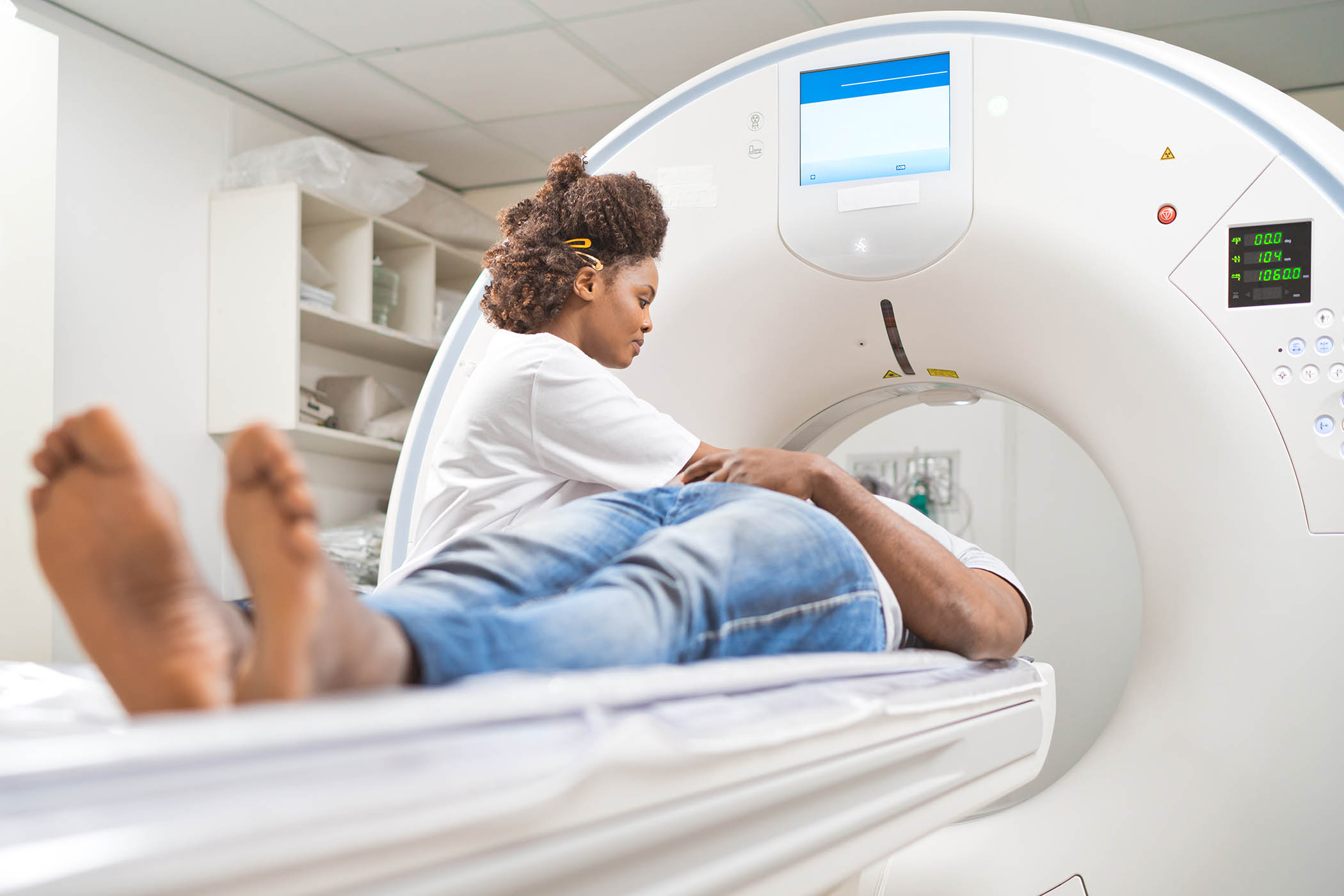
Every day in England, people wait anxiously for tests, results and treatment that could change – or save – their lives. Behind every delay is someone trying to hold on to normal life while facing extraordinary uncertainty. But the target to treat 85% of cancer patients within 62 days of an urgent referral hasn’t been met since 2015 – and in November alone more than 4,000 cancer patients in England started treatment later than they should have.
After almost a decade without a national cancer strategy, the new national cancer plan is a long-awaited opportunity to change that reality. It offers the clearest commitment in years to treat cancer with the seriousness it deserves, setting out a clearer blueprint for progress.
There is much to welcome. The plan sets out commitments to meet cancer waiting-time targets by the end of this parliament, diagnose more cancers earlier by 2035, improve bowel screening, roll out lung screening nationwide, strengthen national leadership for cancer research and accelerate the set-up of clinical trials. Together, these steps provide a solid foundation for progress.
Plans alone, however, do not save lives. What matters to patients is faster diagnosis, effective treatment and better outcomes. Delivering this will take bold action and sustained effort.
Success will depend on whether England’s health services have the capacity to turn ambition into action. Funding for cancer transformation is confirmed, but the majority of cancer spending flows through wider NHS budgets – and these budgets are already under strain. With the Department of Health and Social Care (DHSC) receiving a 2.8% real-terms increase, much of which is absorbed by existing pressures, there is limited room to expand diagnostic capacity or introduce new initiatives. Cancer will be competing with other priorities for a constrained budget. Meaningful and lasting change will not come without investment.
The ambition to meet cancer waiting time targets by 2029 – targets not consistently met for almost a decade – will require a workforce equipped to deliver them. The forthcoming 10 Year Workforce Plan must address persistent gaps in diagnostics, staffing and equipment. The 2027 spending review will be the moment to match ambition with the investment needed. Turning the blueprint into reality will depend on it.
At the same time, scientific and technological advances are accelerating. AI-enabled diagnostics, liquid biopsies and more personalised treatments are emerging at pace. The plan rightly recognises their potential. Sustained funding for research and innovation remains critical if these advances are to continue and to reach patients sooner. But innovation only improves outcomes when the system can adopt it quickly, safely and consistently. That means testing new approaches early, evaluating them rigorously, rolling out what works – and stopping what does not.
The coming years will bring major change within the NHS, including the merging of NHS England with the DHSC. In this context, clear accountability and effective decision-making will matter more than ever. Commitments to publish annual progress reports and undertake a full review of the plan after three years are essential, and must be backed by strong national leadership for cancer.
Related articles:
Delivering the national cancer plan cannot fall to government alone. Businesses, life sciences partners, charities and people affected by cancer all have a vital role to play. Cancer Research UK is central to this mission: bringing research expertise, constructive challenge and independent insight to help ensure change is delivered where it counts.
I am cautiously optimistic. This is the most comprehensive national commitment to cancer in many years, and it has the potential to transform lives. The secretary of state has shown important leadership in bringing the plan forward. But to realise what has been talked about as the fastest improvement in a century, clear action will be essential. Optimism must be matched by delivery.
Newsletters
Choose the newsletters you want to receive
View more
For information about how The Observer protects your data, read our Privacy Policy
People affected by cancer do not think in 10-year plans. They want to know how quickly they will be seen, how smoothly their care will be coordinated and whether they will receive the treatment that gives them the best chance of survival. With determined action, this plan can help deliver that future.
My focus – and the focus of Cancer Research UK – will remain on what matters most: ensuring people can live longer, better lives, spending more time with the people they love.
Michelle Mitchell is chief executive of Cancer Research UK
Photograph by German Adrasti/Getty images