

This article first appeared as part of the Daily Sensemaker newsletter – one story a day to make sense of the world. To receive it in your inbox, featuring content exclusive to the newsletter, sign up for free here.
The House of Lords has proposed 1,227 amendments to the assisted dying bill at committee stage. This is a record amount, according to the campaign group Humanists UK.
So what? A handful of peers are responsible for more than half of the suggested changes, raising concerns about filibustering. The fate of the most important piece of social legislation in a generation could now be settled by arcane parliamentary procedure. This has
•
raised fundamental questions about British democracy;
•
prompted calls for reforms to the House of Lords; and
•
led to demands for government intervention.
Ayes to the right. The bill was introduced by Labour MP Kim Leadbeater in October 2024. A draft version was passed by the Commons the following month with a majority of 55. A committee then spent several months reviewing more than 500 proposed changes before the Commons voted for the bill to progress to the Lords in June by a majority of 23.
Details, details. The legislation is a private members’ bill introduced by a backbencher, rather than a government bill put forward by a minister. Private members' bills are not timetabled, meaning opponents can draw out debates until the end of a parliamentary session. At this point, a bill will automatically lapse before it can be made law.
Dragged out. This is what is happening in the Lords. So far the chamber has held eight Friday sittings to discuss assisted dying. Six more are scheduled, which will keep it there until at least late April. It must then clear the remaining stages before the current session ends in May. This seems unlikely. Despite being allocated extra time, peers are still debating the first clause of 59.
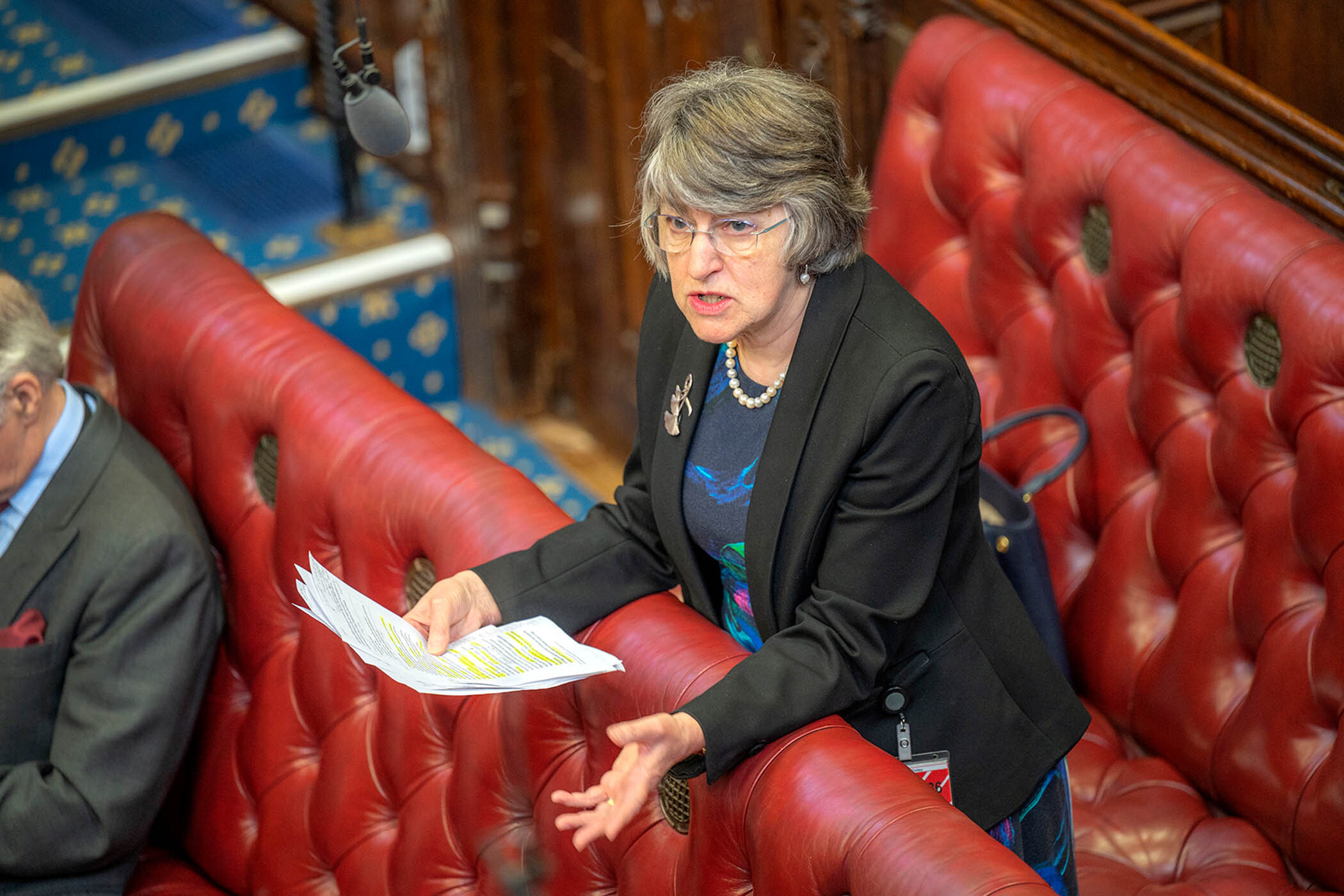
Hold outs. Six peers are behind 623 of the 1,227 amendments, according to an analysis by The Observer. They include Baroness Finlay of Llandaff (190), a crossbencher and palliative medicine professor, and Thérèse Coffey (95), the former Conservative health secretary.
Some of the proposed changes are sensible, such as barring anyone who has been recently sectioned from requesting assistance to end their lives. Others appear deliberately aimed at obstruction, including
•
a requirement for patients, including men, to provide a negative pregnancy test;
•
calls for clinical trials for life-ending drugs, presumably with volunteers; and
•
barring the involvement of doctors who work for the NHS.
Related articles:
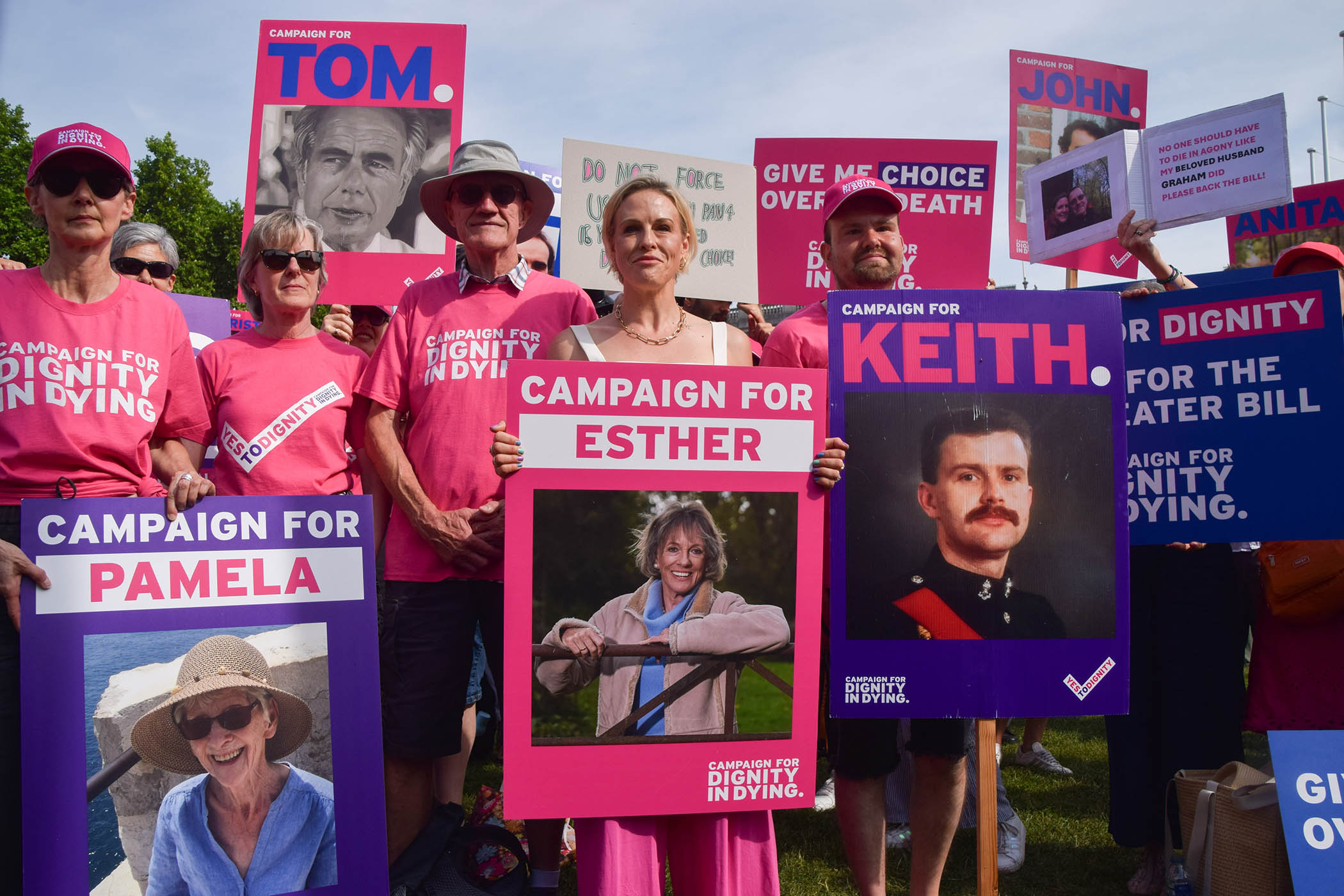
Democracy thwarted. A small cohort of unelected officials, who deny allegations of obstructionism, may be able to block the legislation. They are at odds with the public. A poll last year found that 73% of Britons support the bill as it stands.
What it says. The bill would allow a mentally competent, terminally ill person to request help to end their life if they have less than six months to live. They must ask two doctors, a week apart, and get the approval of a panel comprising a psychiatrist, social worker and senior lawyer.
Newsletters
Choose the newsletters you want to receive
View more
For information about how The Observer protects your data, read our Privacy Policy
Legitimate concerns. The UK has insufficient provisions for palliative care, which means that roughly a quarter of people die before they can receive it. Some critics argue that the focus should be on properly funding these services. By one estimate, this would cost an extra £350m a year, less than 0.2% of the NHS budget.
Well thought out. The bill has much stronger safeguards than legislation elsewhere. Canada, Austria and the Netherlands allow people with non-terminal conditions to request assisted dying. Some countries allow nurses, rather than doctors, to assess whether a patient is eligible.
What’s next… Supporters of assisted dying have called for Keir Starmer to bypass the Lords and force the bill into law with the rarely used Parliament Act. But the prime minister, who gave Labour MPs a free vote on the issue, is maintaining a neutral stance.
Photograph by Annabel Moeller/House of Lords