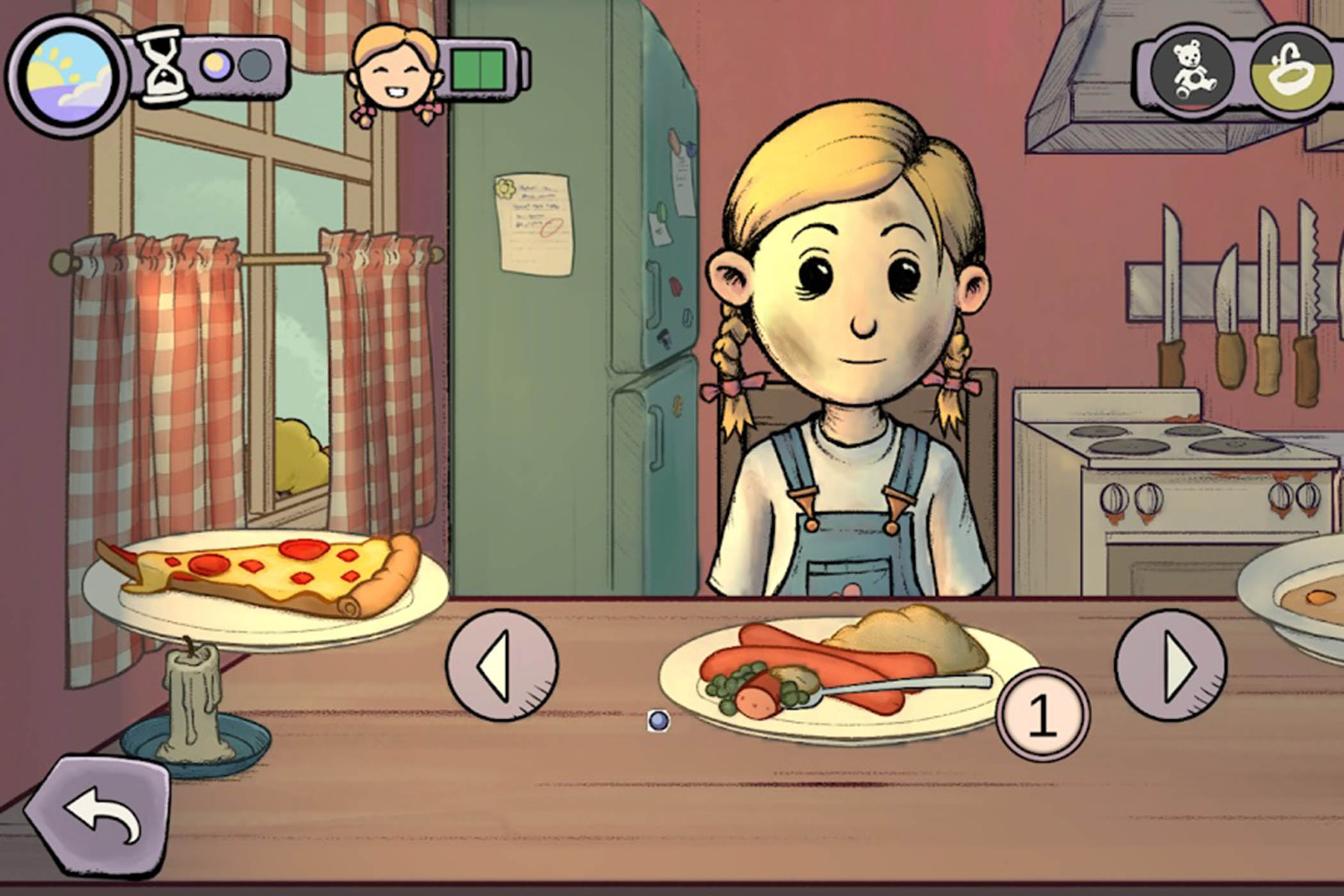


In 2018, My Child Lebensborn offered a radical counterpoint to the accusation that video games can only express power fantasies and cartoonish violence. It turned towards one of the darker seams of 20th-century history: the Nazi Lebensborn programme, in which “racially suitable” women were encouraged to bear the children of SS officers. Thousands were born in occupied Norway and later ostracised in peacetime. By asking players to care for one such child – feeding them, bathing them, shepherding them through the petty cruelties of village life – the game revealed how interactivity can make historical and emotional terrain feel newly intimate.
My Child New Beginnings, a sequel to the Bafta-winning original from Sarepta Studio, is set in early 90s Norway, and follows the same child – Karin or Klaus, depending on who you choose to adopt – now 10 years older and making their first cautious steps towards independence. When the game opens, you select a handful of traits that shape their personality: thoughtful or determined, shy or impulsive. Intriguingly, you also define the habits of your own past parenting. When they fell and scraped a knee, did you insist on bed rest, urge them to push through or support their chosen course of action? The sequel imports the moral archaeology of the first game but sharpens the focus: this is no longer simply a story about inherited trauma but the long, uneven work of living with it.
Much of New Beginnings is mundanity elevated. You help your now-teenager unpack boxes. You decide whether to correct their diction when they misuse a phrase, whether to fix a problem yourself or coax them to learning the task. You sort laundry, brush hair, order takeaways; each action consumes a point of the day’s limited energy. It has a familiar “dark Tamagotchi” quality, as the creators described the first game, only now with panic triggered by an unexpected sound, shame provoked by an offhand remark, and memories stirred by an everyday inconvenience.
Sarepta worked with child psychologists, including Kerstin Söderström, of the University of Inland Norway, to fold mental health literacy into the design. The game insists, carefully and repeatedly, that trauma is not a problem to be solved but a condition to be understood, integrated and, where possible, shared.
As before, the fiction is informed by testimonies of real Lebensborn children, many of whom struggled well into adulthood with identity, rejection and the ache of unanswered questions. Yet if the first game emphasised the fragility of a child’s spirit, New Beginnings highlights something else: resilience as a daily practice. It is not flawless: the energy-meter loop can feel mechanical, and the emotional beats sometimes land with a thud. Yet the game’s sincerity carries it over these bumps. This is an affecting, poised sequel: an interactive story about the long half-life of harm, and the equally long labour of care.
Photograph by Sarepta Studio
Newsletters
Choose the newsletters you want to receive
View more
For information about how The Observer protects your data, read our Privacy Policy
Related articles: