

BOOK OF THE WEEK
The Escape from Kabul: A True Story of Sisterhood and Defiance by Karen Bartlett
When the Taliban returned to power in Afghanistan in August 2021, more than 100,000 Afghans were extracted from Kabul in a matter of weeks. You may have thought that the country’s female judges – who bravely upheld the law in a patriarchal society, confronting corruption and violence against women and children – would be among them. You would be wrong. Karen Bartlett’s book – reviewed by the BBC’s chief international correspondent Lyse Doucet, who recently published her own book on Kabul – is an account of an international “sisterhood” that worked to provide escape routes for nearly 200 female judges when the first airlifts failed them. Even as it charts the dark turn Afghanistan has taken, The Escape from Kabul offers hope that these exiled women may yet return to help heal their homeland. Read the review | Order the book
WHAT TO READ NEXT
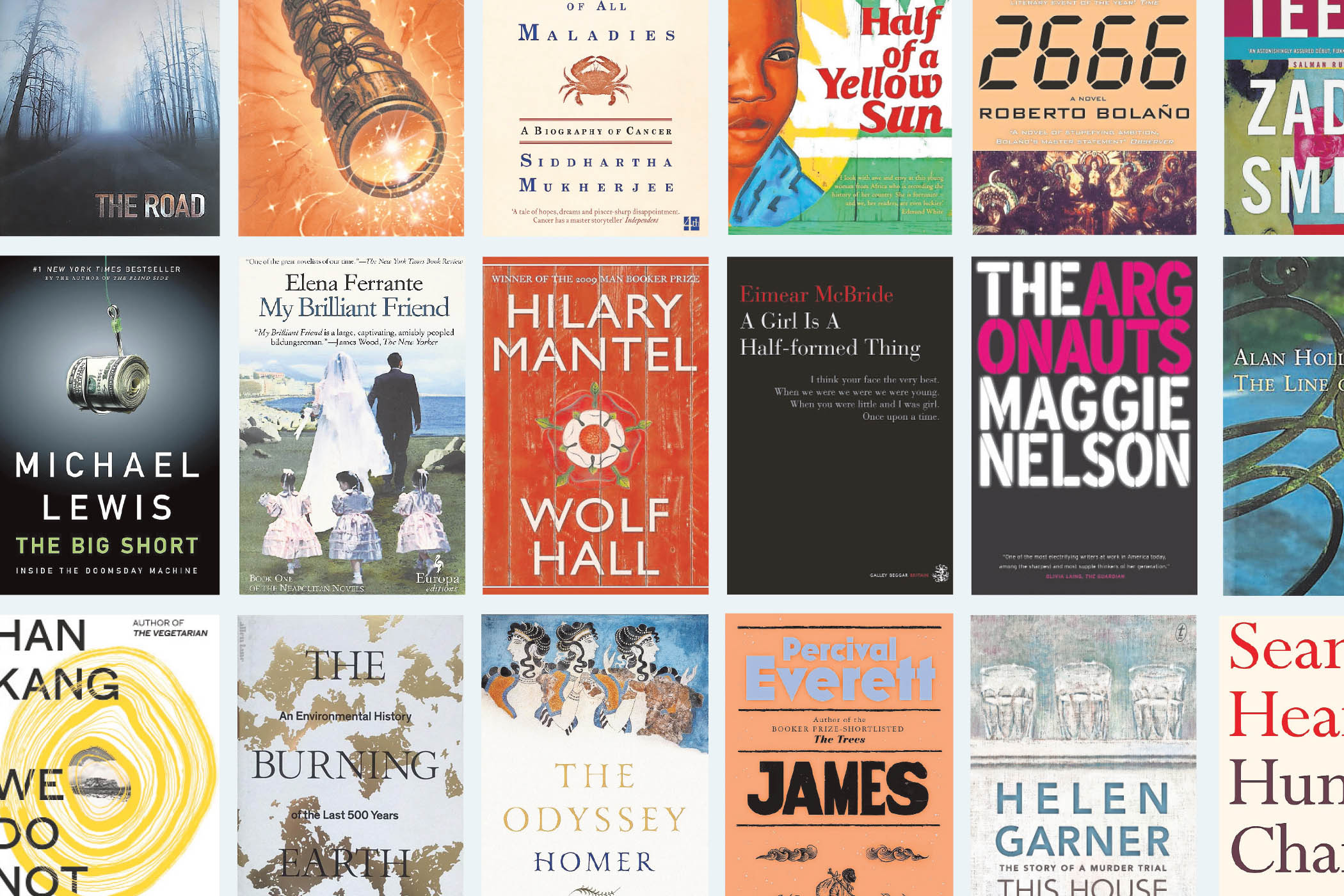
The 25 best books of the century
Having worked our way through films and albums, The Observer’s team of critics and editors has turned its attention to books, compiling a list of 25 essential 21st-century classics. If there is an element of madness to the enterprise – there is no objective way to compare novels, poetry and nonfiction from across the world – we found that it demanded a degree of useful critical rigour. We looked for mould-breaking language, storytelling superpowers, big ideas; books that imprinted themselves upon our minds, altered our outlook or shaped our culture – though never (forbidden phrase!) “changed the world”. We found many more than 25, but – that’s the challenge – we had to choose. I hope at least a couple of your personal favourites made the cut, and that it might also prompt a few new discoveries. Read the list
An audience with Patricia Lockwood
The author of viral poetry and exhilarating criticism, hilarious memoir writing and strange, inventive fiction, Patricia Lockwood is one of our favourite writers, whatever form she’s working in. Anna Leszkiewicz spoke to her about illness, Trump, the return of “weird literature” and being a Booker judge for 2026. How will Lockwood approach it? “I want to read with my gut,” she says. “I trust the little hairs, I trust the back of the neck, I trust the base of the spine. I trust that instinct that says: This is something.” Read the interview
ENDNOTES
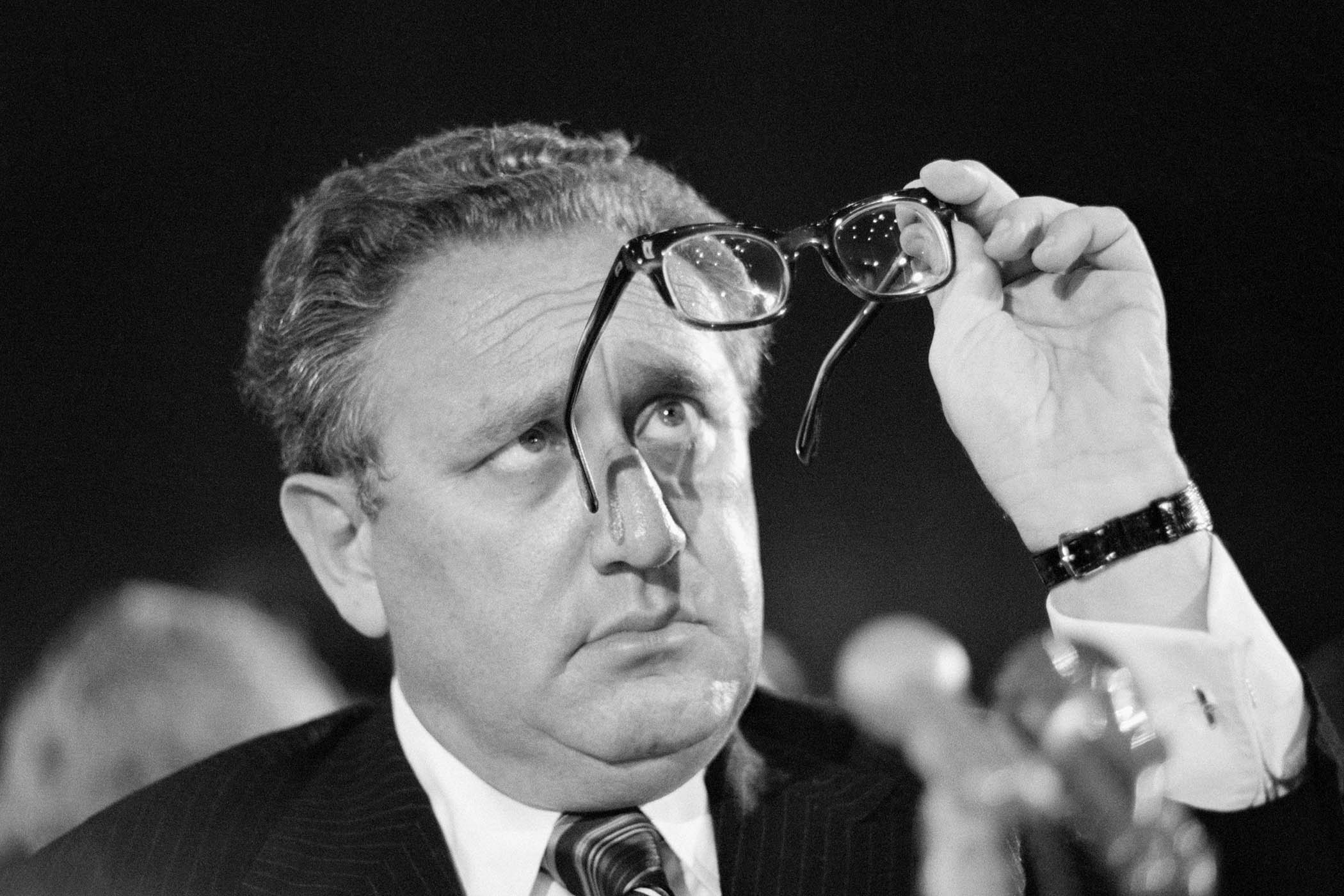
John Bew, a former foreign policy adviser to No 10 and a history professor at King’s College London, has reviewed a new biography of Henry Kissinger. Here’s John on what made the late American diplomat such a singular figure:
As with Winston Churchill, there are many quotes attributed to Henry Kissinger – some of dubious provenance. “The reason that university politics is so vicious is because the stakes are so small,” he is reported to have said. “Power is the ultimate aphrodisiac,” is another quip attributed to him, associated with the period in which his celebrity rose so high that he migrated from Harvard to the most exclusive tables in Hollywood. Some fans of the Northern Ireland football team swear blind that Kissinger was particularly complimentary about their tactical nous at the 1982 World Cup, which included beating the home nation, Spain, on their way to the quarter final. I had the privilege of asking him about this when we met during the time I was Kissinger chair at the US Library of Congress in the early 2010s. It was fair to say he did not recall that comment, though his genuine passion for football shone through.
A more serious reflection is that the literary element of Kissinger’s life is not fully appreciated. To understand Kissinger is to understand that he regarded himself as an educator about international affairs, against the backdrop of America’s quasi-theological debates about its role in the world. A few years ago I arranged for the first ever publication of his remarkable but heavy-going undergraduate thesis, The Meaning of History: Reflections on Spengler, Toynbee and Kant. Kissinger’s writing style evolved and improved through works like Diplomacy and World Order, before towards the end of his life he co-authored two works on AI with Eric Schmidt. The turn of phrase, combined with historical sensibility, remains a potent weapon in the affairs of state. Read the review | Order the book
A list for last-minute book-buyers
For those who still haven’t finished (or started) their Christmas shopping, you could do worse than pay a visit to our Books of the year page. There are 40 recommended titles spanning fiction, nonfiction, graphic novels, poetry and children’s books, and another 40 new and old books chosen by authors including Mick Herron, Elif Shafak and Bernardine Evaristo. Something, I’ll wager, for every reader in your life.
Illustration by Charlotte Durance